
Астрология Ръководство
Астрологията в древен Рим и нейното влияние
Слушай статията
Аудио версия
Генерирано аудио
Теорията е за всички. Твоята карта е само твоя - виж какво ѝ готви 2026.
Моят годишен отчет →Аудио версия
В Древен Рим астрологията е била сложна система от вярвания и практики, развила се под влиянието на вавилонски и елинистични традиции. Римляните са я използвали за предсказания, за управление и за да разберат човешката съдба, като така са поставили основите на съвременните астрологични практики. Тук ще разбереш как звездите са влияли на имперската власт и ежедневието на римляните.
Ще разгледаме как астрологията е процъфтявала в Древен Рим, повлияна от вавилонски и елинистически традиции. Ще откриеш как римляните са използвали звездите за предсказания, за управление и за да разберат човешката съдба, полагайки основите на модерните астрологични практики. Тази статия проследява пътя на астрологията от окултно изкуство до интегрирането ѝ в римската култура и нейното дълготрайно наследство.
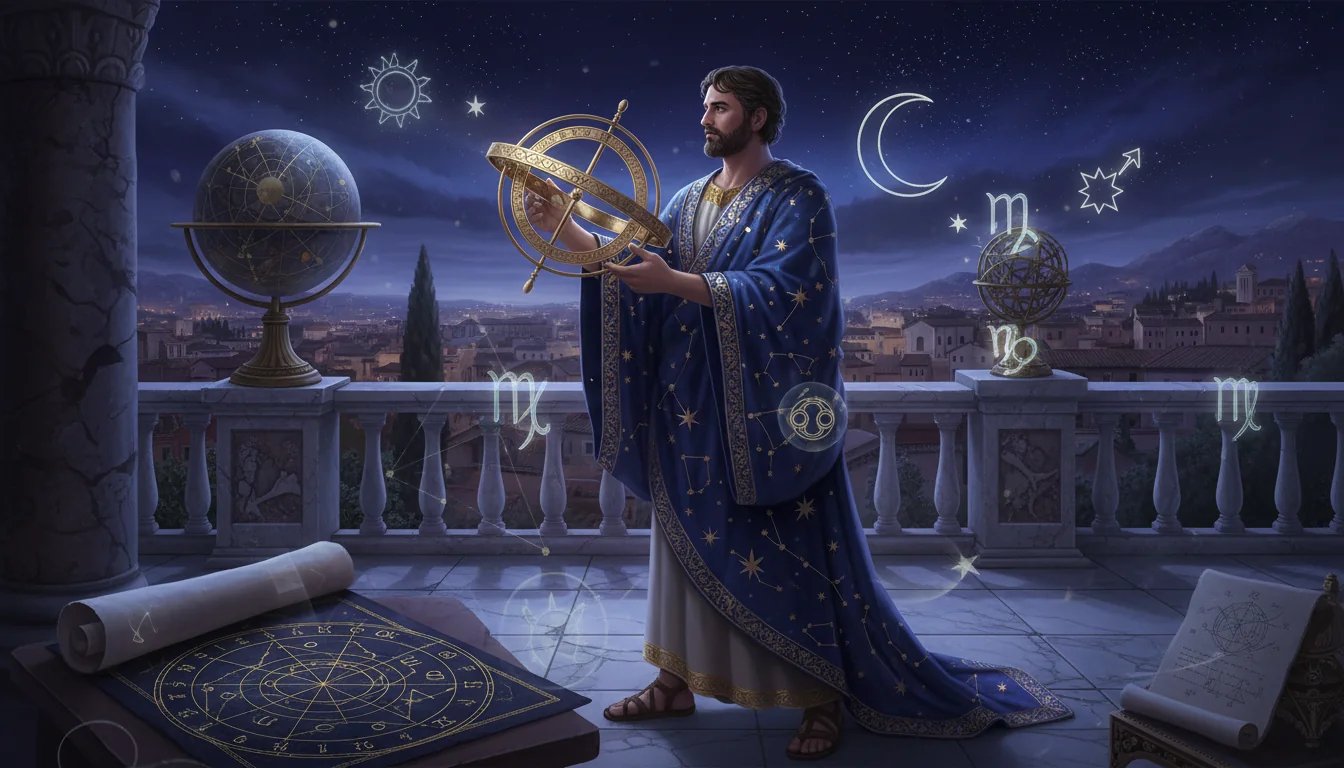
Астрологията, изкуството да тълкуваш небесните тела, за да разбереш човешката съдба и събитията на Земята, има дълбоки корени в историята на човечеството. Пътят ѝ през цивилизациите е дълъг и интересен, като всяка култура е добавяла свои нюанси и интерпретации. Един от най-влиятелните периоди в тази история е този на Древен Рим. Римляните, които наследяват и адаптират много от познанията на древните вавилонци и гърци, превръщат астрологията в неделима част от своя обществен и личен живот. От императорските дворци до обикновените домове, небесните тела са били източник на мъдрост, предсказания и разбиране за мястото на човека във вселената. Тази статия ще те отведе на пътешествие назад във времето, за да проследиш развитието и влиянието на астрологията в Древен Рим. Ще разкрием как нейните принципи и практики са оформили културата и са оставили траен отпечатък върху развитието на астрологията през вековете. Ще разгледаме как римляните са възприемали звездите, как са ги използвали за управление на държавата и как техните вярвания са повлияли на бъдещите поколения астролози. Разбирането на този период е ключово за осмислянето на елинистическата астрология и нейните основи, които продължават да бъдат актуални и днес.
На Vrachka.eu ще намериш задълбочени анализи за това как звездите са формирали съдбите още в Древен Рим.
Влиянието на астрологията в Рим не е било просто академичен интерес или мимолетно увлечение. Тя е била дълбоко интегрирана в социалната тъкан, политическия живот и дори във военните стратегии. Императори, сенатори и обикновени граждани са търсили съвет от астролози, известни като "халдаей" (Chaldaei), за да вземат важни решения, да предскажат бъдещето или да разберат причините за събитията. Този период бележи прехода на астрологията от чисто предсказателна наука към по-комплексен инструмент за самопознание и разбиране на човешката психология, макар и в рамките на древната космология. Ще разгледаме как астрологията е била възприемана като божествен дар, как е повлияла на римската религия и философия, и как нейните практики са се развивали под влиянието на различните култури, с които Рим е бил в контакт. Особено ще се фокусираме върху връзката между астрологията и съдбата – един от основните мотиви в римската мисъл. Наследството на римската астрология може да се проследи до днес, тъй като много от нейните елементи са интегрирани в съвременните астрологични практики и разбирането за зодиакалните знаци.
Древноримската цивилизация е известна със своя прагматизъм и организационен гений, но също така и с дълбоката си връзка с мистичното и божественото. Астрологията се вписва идеално в тази двойственост. Тя предлага логична, макар и древна, система за разбиране на Вселената и мястото на човека в нея, като същевременно предоставя методи за предсказване и контрол над съдбата. В този смисъл, астрологията не е била само начин да надникнеш в бъдещето, но и инструмент за навигация в живота, осигуряващ усещане за ред и смисъл в един често хаотичен свят. В следващите раздели ще се потопим по-дълбоко в конкретните аспекти на астрологията в Древен Рим, изследвайки нейните корени, развитие, най-влиятелни фигури и дълготрайно наследство.
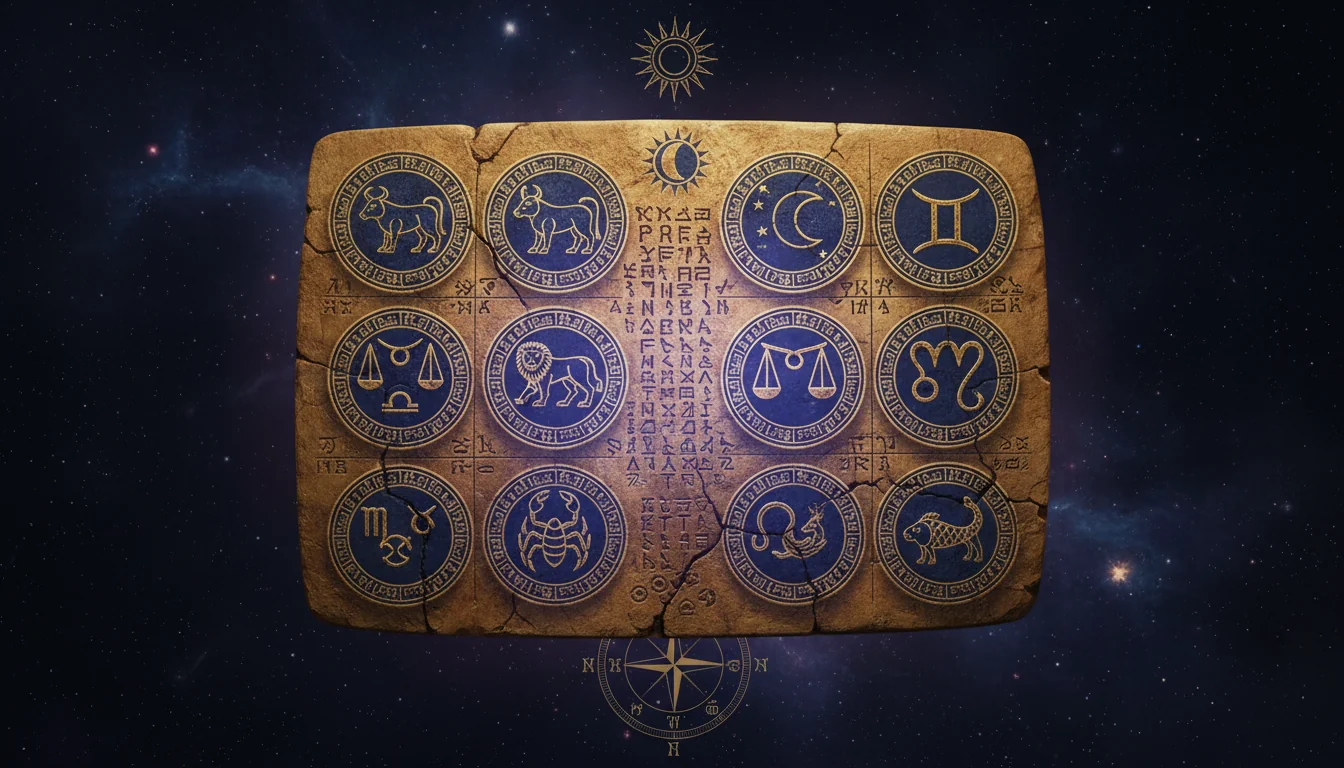
За да разберем астрологията в Древен Рим, е нужно да проследим нейните корени, които се простират далеч преди появата на самата Римска република. Двете основни култури, които полагат основите на римската астрологична мисъл, са Вавилон и Елада (Древна Гърция). Римляните не създават астрологията от нулата, а по-скоро я възприемат, адаптират и обогатяват, приспособявайки я към своя мироглед и социални нужди. Това е процес на културен обмен и синтез, който води до формирането на специфичен римски астрологичен модел.
Вавилонският принос: Вавилонците, с техните дълги наблюдения на небето, развиват една от най-старите астрологични системи в света. Те създават зодиака – разделението на небесната сфера на 12 равни части, всяка свързана с определено съзвездие. Ключово за вавилонската астрология е разбирането за планетите като божествени сили, чиито движения носят послания за земните събития. Те въвеждат концепцията за предсказателна астрология, насочена към предсказване на природни бедствия, военни кампании и съдбата на владетелите. Вавилонците също така развиват сложни математически методи за изчисляване на движенията на небесните тела, които по-късно са възприети от гърците и римляните. Тяхното разбиране за планетарна символика и зодиакални съзвездия формира основата, върху която се гради по-късната астрология.
Елинистическото влияние: След завоеванията на Александър Велики, гръцката култура и наука се разпространяват в обширни територии, включително Египет и Месопотамия. Именно в елинистическия период (след IV век пр.н.е.) се случва синтезът между вавилонските астрономически познания и гръцката философия и математика. Гърците придават по-голям акцент върху индивидуалната съдба и характера, развивайки концепцията за наталната карта – астрологичен портрет, базиран на точното време на раждане. Те въвеждат концепцията за астрологични домове, които разделят небесната сфера на 12 сектора, всеки представляващ различна област от човешкия живот. Важно е да се отбележи, че гръцката астрология е силно повлияна от стоическата философия, която набляга на предопределеността и космическия ред. Фигури като Птолемей, чийто труд "Тетрабиблос" става фундаментален за западната астрология, работят през този период, систематизирайки астрологичните знания. Техните трудове са преведени и разпространени, достигайки до Римската империя.
Римското възприемане: Когато Рим завладява гръцките територии, той постепенно абсорбира и интегрира тези астрологични традиции. Римляните, вече запознати с някои форми на гадаене и предсказания, намират в елинистическата астрология изтънчен и авторитетен метод за разбиране на божествената воля и човешката съдба. "Халдаите" – астролози, често с вавилонски или гръцки произход – стават изключително търсени в римското общество. Те предсказват бъдещето и съставят натални карти, които са основен инструмент за опознаване на личната съдба. Макар и понякога да са били обект на критики и забрани от страна на властите, астролозите успяват да запазят своето влияние, особено в императорските дворове. Римляните добавят свой собствен прагматизъм и интерес към практическото приложение на астрологията, използвайки я за политически цели, за определяне на благоприятни дни за важни събития (като битки или основаване на градове) и за разбиране на характера на владетелите и техните наследници. Това смесване на култури и традиции полага основите на класическата астрология, която продължава да се развива през вековете.
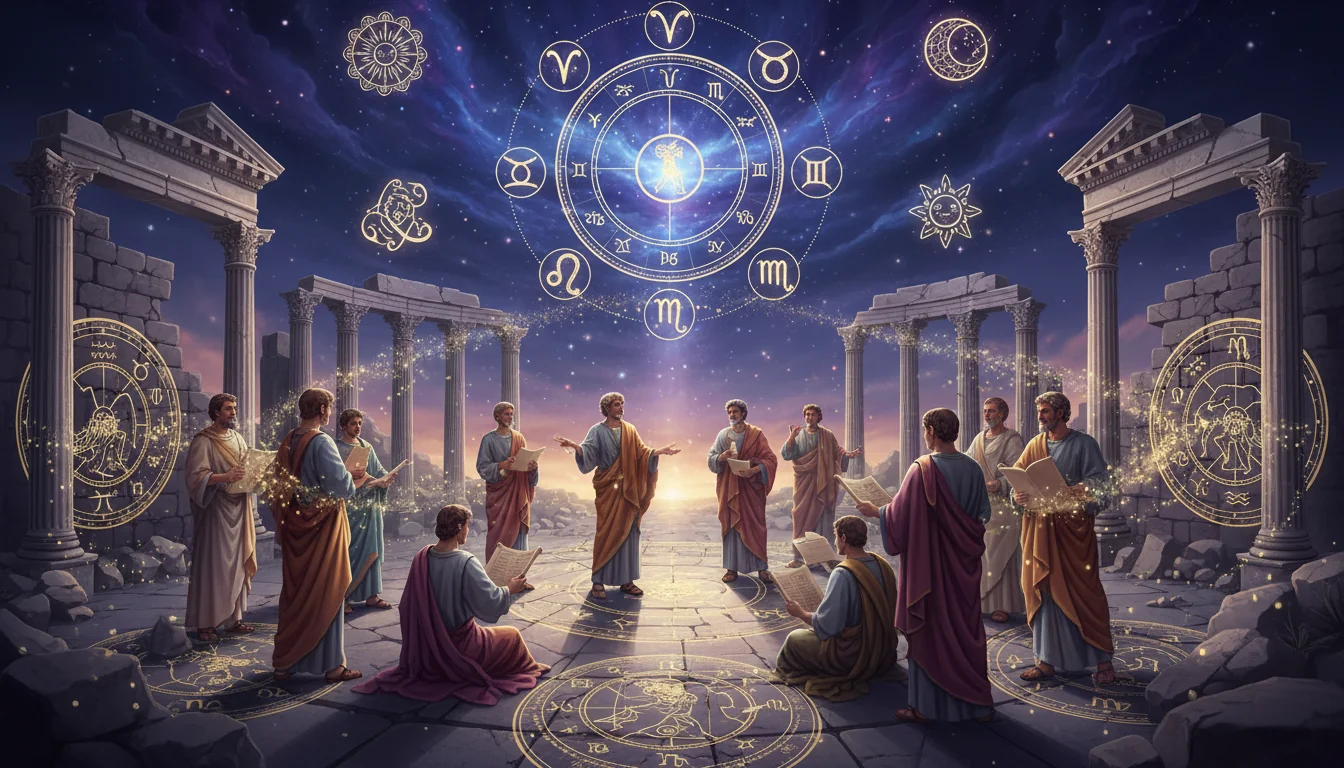
Когато Римската империя наследява гръцкия свят, астрологията навлиза в период на бурно развитие и се разпространява широко. Тя става важен инструмент, използван от всички слоеве на обществото – от най-високите нива на властта до обикновените хора. Прагматичните римляни интегрират астрологията в различни аспекти на живота си, придавайки ѝ характерен римски привкус.
Астрология и политическа власт: Императорите и висшите държавни служители често търсят съвети от астролози при вземането на важни решения. Прогнозите за раждането на бъдещи императори, изхода от военни кампании или стабилността на империята са били от съществено значение. Много истории разказват за императори, които са се допитвали до астролози, за да изберат най-подходящото време за коронация, за започване на война или дори за лични събития. Например, император Тиберий е бил известен с интереса си към астрологията и е поддържал свой личен астролог. Понякога астрологичните прогнози са били толкова влиятелни, че са можели да предизвикат промени в политическата стратегия или дори да доведат до отстраняването на неудобни фигури. Въпреки това, астрологията е била и обект на подозрение и забрани. Императори като Клавдий и Веспасиан са издавали закони, забраняващи астрологичната практика, опасявайки се от политически манипулации и предсказания за смъртта на владетелите. Независимо от тези забрани, астрологията продължава да се практикува тайно, особено сред елита.
Астрология в ежедневието: Освен в политиката, астрологията прониква дълбоко и в ежедневието на обикновените римляни. Хората са я използвали, за да разбират характера си, да избират подходящи партньори за брак, да определят най-благоприятното време за започване на нови начинания като земеделски дейности, пътувания или дори операции. Имало е календари, които съдържали астрологични съвети за всеки ден, известни като "fascinus" или "dies fasti" – дни, подходящи за важни дела, и "dies nefasti" – дни, които е трябвало да се избягват. Популярни са били и прогнозите, свързани със здравето и предпазването от болести. Астрологията е предлагала система за разбиране на съдбата и нейното влияние върху живота, давайки на хората усещане за контрол и предвидимост.
Римски астролози и техните трудове: Макар много от най-влиятелните астрологични текстове да са написани на гръцки, римляните също имат свои забележителни автори. Един от най-важните е Трасилий (Thrasyllus), библиотекар и астролог, който е бил близък съветник на император Тиберий. Той допринася за стандартизирането на астрологичните техники и пише коментари към трудовете на Птолемей. Друг важен римски астролог е Ветий Валенс (Vettius Valens), чиито трудове, макар и написани на гръцки, са били широко четени и използвани в Рим. Макар много римски астрологични текстове да са загубени през вековете, оцелелите фрагменти и споменавания в други произведения дават представа за богатството и разнообразието на астрологичните практики по онова време. Римляните също така са отговорни за разпространението на астрологията в завладените територии, което допринася за нейното глобално влияние.
Религия и астрология: Връзката между религията и астрологията в Рим е сложна. Докато някои аспекти на астрологията са били възприемани като езически практики и понякога са влизали в конфликт с официалните римски култове, други са били интегрирани в религиозния живот. Например, култът към Митра, популярен сред римските войници, е включвал силни астрологични елементи, свързани с движението на Слънцето и други небесни тела. Астрологията е била използвана и за интерпретация на пророчества и гадателски знаци, които са играели важна роля в римската религия. По-късно, с разпространението на християнството, астрологията преминава през период на критика и осъждане от страна на църквата, но въпреки това продължава да съществува и да се развива в скрити форми.
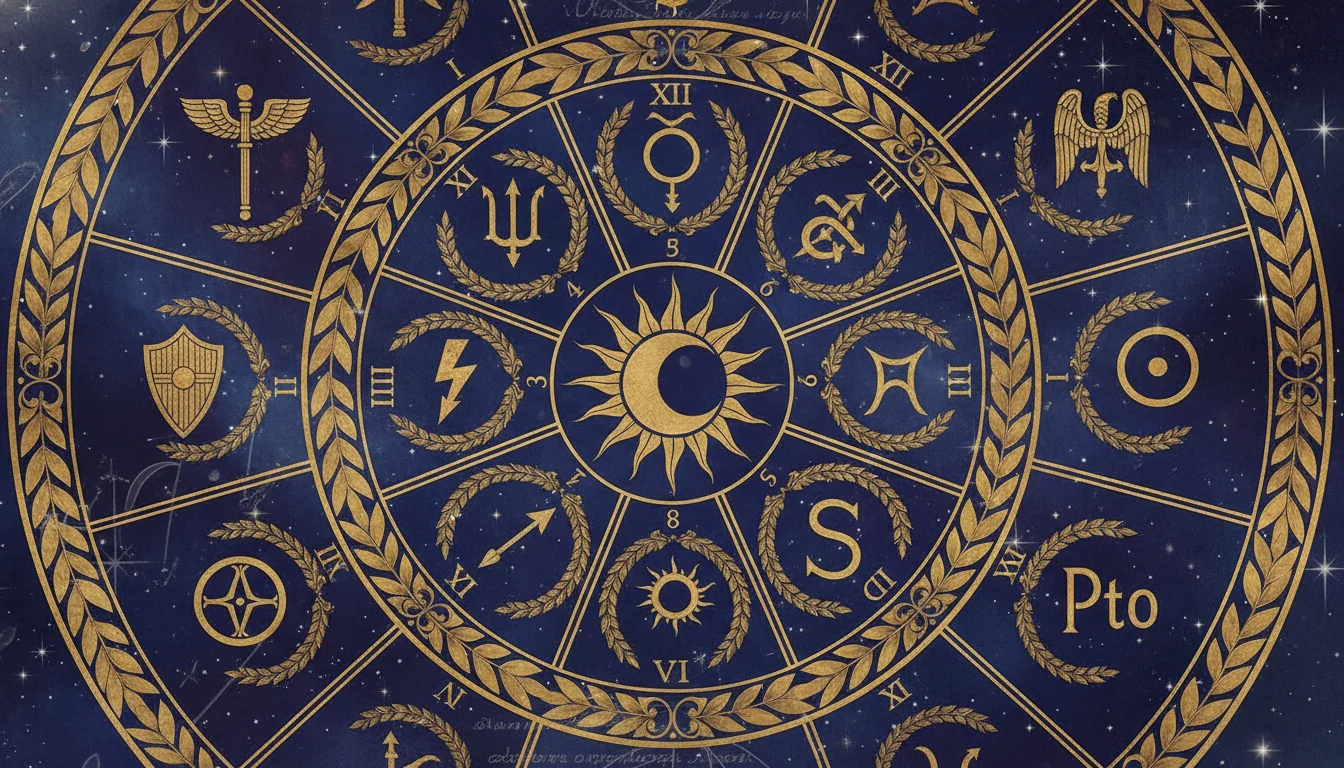
Основните концепции на съвременната астрология, като астрологичните домове и планетите, са били познати и развивани още в Древен Рим. Римляните възприемат тези идеи от гръцките и вавилонските традиции, но ги адаптират и прилагат според собствения си мироглед и социална структура.
Астрологичните домове: Домовете представляват дванадесет сектора на небесната сфера, които се издигат над хоризонта в момента на раждане на човек. Всеки дом символизира различна област от живота. Римляните, подобно на гърците, са осъзнавали колко са важни домовете за детайлното тълкуване на наталната карта. Те са ги използвали, за да определят кои аспекти от живота ще бъдат повлияни от конкретна планета или зодиакален знак. Например:
Римляните са обръщали особено внимание и на "ъгловите домове" (първи, четвърти, седми, десети), които са смятани за най-силни и влиятелни. Тяхното тълкуване е било тясно свързано с представите за съдбата и предопределеността, като е помагало да се разбере житейският път на човека.
Планетите и техните значения: Седемте класически планети – Слънцето, Луната, Меркурий, Венера, Марс, Юпитер и Сатурн – са били добре познати и почитани в Древен Рим. Всяка планета е била свързвана с определени божества и е имала свое специфично влияние:
Римските астролози са отдавали голямо значение на позицията на тези планети в зодиакалните знаци и домове, както и на аспектите между тях. Те са използвали тези комбинации, за да предсказват събития, да определят характера на хората и да дават житейски съвети. Например, силното влияние на Марс е можело да предвещава военни конфликти или агресивно поведение, докато Юпитер е носел обещание за късмет и просперитет. Разбирането на тези планетарни енергии е било от съществено значение за римската астрологична практика.
Зодиакалните знаци: Зодиакалните знаци, наследени от вавилонците и гърците, са служили като основа за тълкуване на планетите и домовете. Римляните са разбирали, че всеки знак носи определена енергия и характеристики, които оцветяват влиянието на планетите, намиращи се в него. Например, планета в Овен е щяла да прояви своите качества по-импулсивно и директно, докато в Телец – по-методично и устойчиво. Комбинацията от планети, знаци и домове е създавала сложна мрежа от значения, която римските астролози са използвали, за да съставят детайлни предсказания и да разкриват тайните на човешката съдба.
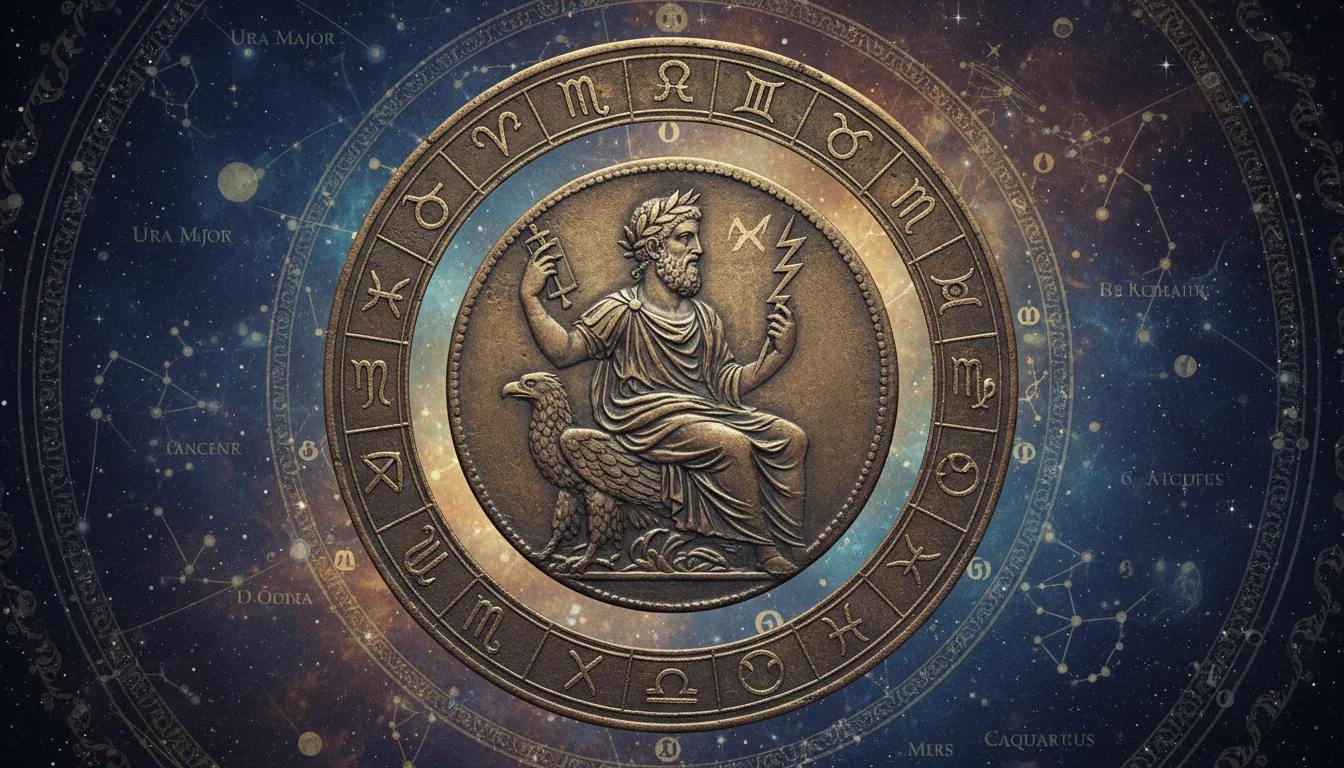
Въпреки широкото си разпространение и влияние, астрологията в Древен Рим не е била приемана еднозначно. Тя често е била обект на критика от страна на философи, политици и дори от самата държава. Въпреки забраните и преследванията, това познание за звездите е оцеляло и продължило да се развива.
Философска критика: Някои римски философи, особено тези, повлияни от епикурейството, отхвърляли астрологията като суеверие и опит да се предскаже онова, което вече е предопределено от боговете или от природните закони. Те смятали, че човешката съдба не може да бъде определена от движението на небесните тела, а зависи от собствените ни действия и избори. Например, в своя трактат "За гадаенето" (De Divinatione) Цицерон изразява скептицизъм както към астрологията, така и към други форми на предсказания. Според него, ако съдбата е предопределена, гадаенето е излишно, а ако не е – то е безсмислено. Въпреки това, дори Цицерон признава, че много хора вярват в астрологията и че тя оказва силно психологическо въздействие.
Политически забрани: Основна причина за забраните на астрологията е бил страхът от политически манипулации и предсказания за смъртта на императорите. Императори като Клавдий и Веспасиан издавали закони, забраняващи практикуването на астрология, особено за предсказване на смъртта на владетели. Тези забрани обаче често се оказвали трудни за прилагане. Астролозите продължавали да работят в сенките, обслужвайки елита, който тайно търсел техните съвети. Понякога забраните били временни и зависели от политическата обстановка и настроенията на управляващите. Любопитно е, че някои императори, които забранявали астрологията, самите те били нейни страстни последователи.
Астрологията като "халдейско изкуство": В Рим астрологията често наричали "халдейско изкуство" (ars Chaldaica), заради произхода ѝ от Месопотамия. Халдеите били смятани за мъдреци и астролози, притежаващи тайни знания за Вселената. Въпреки че понякога ги гледали с подозрение, те се ползвали и с голямо уважение. Асоциацията им с далечни и мистични земи придавала на астрологията ореол на загадъчност и авторитет.
Оцеляване и адаптация: Въпреки критиките и забраните, астрологията е оцеляла в Римската империя благодарение на няколко фактора. Първо, тя предлагала успокоение и смисъл на хората в един несигурен свят. Второ, била е дълбоко интегрирана в културата и възприемана като част от традиционните познания. Трето, астролозите били изобретателни и успели да адаптират практиките си, за да избегнат преследване. Често представяли астрологията като форма на философия или наука, а не просто като суеверие. Астрологията е преминала през тези трудни периоди, запазвайки основните си принципи и продължавайки да се развива, оставяйки трайно наследство за бъдещите поколения. Тя е повлияла на развитието на астрологичните символи и език, които използваме и днес, както и на техниките за тълкуване на наталната карта.
Влиянието на астрологията в Древен Рим не е било просто епизод в историята, а е оставило дълбок и траен отпечатък, който продължава да резонира през вековете. Римляните съхранили вавилонските и гръцките астрологични традиции и ги предали на следващите поколения. Същевременно те обогатили това знание според своята култура, поставяйки основите на западната астрологична мисъл.
Формиране на класическата астрология: Римският период е ключов за стандартизацията и систематизацията на астрологията. Трудовете на Птолемей, написани през елинистическия период, но широко разпространени и изучавани в Рим, се превърнали в основата на класическата астрология. Римските астролози допринесли за разработването на методи за тълкуване на натални карти, планетарни аспекти и транзити, които се използват и до днес. Те въвели и популяризирали концепциите за домове, знаци и планети, както и техните значения, които са в основата на всяко астрологично тълкуване.
Влияние върху средновековната и ренесансова астрология: След падането на Западната Римска империя, астрологичните знания били запазени и развити в ислямския свят. През Средновековието, много от тези трудове били преведени на латински и отново достигнали до Европа, което довело до нов ренесанс на астрологията. През Ренесанса астрологията била тясно свързана с науката и изкуствата, като много от великите умове на епохата, например Йохан Кеплер, са се занимавали с нея. Това станало възможно благодарение на фундаментите, положени през римския период.
Наследство в съвременната култура: Въпреки че съвременната наука често гледа на астрологията като на псевдонаука, влиянието ѝ върху културата и мисленето остава значително. Зодиакалните знаци, планетарните символи и астрологичните концепции са част от ежедневието на много хора. Те се появяват в литературата, изкуството, музиката и дори в езика. Астрологията продължава да бъде популярен инструмент за самопознание и търсене на смисъл, особено в сфери като нумерологията и разбирането на числото на съдбата. Римската астрология, със своя фокус върху предсказанията и влиянието върху обществения живот, е допринесла за това разбиране за астрологията като сила, която може да оформи живота ни.
Практически приложения: Римският прагматизъм е оставил следа и в практическото приложение на астрологията. Идеята, че астрологията може да се използва за вземане на важни решения, за планиране на събития и за разбиране на човешкия характер, е дълбоко вкоренена в римската традиция. Това е довело до развитието на специализирани техники и подходи, насочени към конкретни житейски ситуации. Например, идеята за бизнес хороскоп или детски хороскоп може да проследи корените си до римското желание да се разбере и оптимизира човешкия потенциал чрез звездите.
Астрологията в Древен Рим е била много повече от древно суеверие. Тя е била жив, развиващ се феномен, оформил културата, политиката и мисленето на една от най-великите цивилизации в историята. Нейното наследство продължава да живее в съвременните астрологични практики, предлагайки ни уникален поглед към връзката между човека и космоса, така както е била разбирана от нашите предци.
В Древен Рим астрологията е изпълнявала различни функции – от предсказване на събития и съдбата на владетели до даване на съвети за лични решения, брак и здраве. Използвали са я както императорите за политически цели, така и обикновените хора, за да се ориентират в ежедневието си.
Римската астрология е повлияна най-силно от древните вавилонци, които въвеждат зодиака, и от гърците, развили концепции като наталната карта и астрологичните домове. Римляните успяват да обединят тези традиции, създавайки своя собствена астрологична система.
Императорите често забранявали астрологията, тъй като се страхували от политически манипулации, предсказания за собствената им смърт или възможни бунтове. Тези забрани обаче рядко били ефективни и астрологията продължила да се практикува тайно, особено сред елита.
Макар много от основните текстове да са били на гръцки, сред известните фигури, свързани с астрологията в Рим, се открояват Трасилий, астролог на император Тиберий, и Витилий. Често наричали астролозите "халдеи" заради вавилонския им произход.
Астрологичните домове са 12 зони от небесната сфера, които символизират различни аспекти от човешкия живот – като личност, семейство, кариера и партньорства. Римляните са ги използвали за детайлно тълкуване на наталната карта и за предсказване на житейски събития.
Връзката била сложна. Докато някои астрологични практики се смятали за езически, други били интегрирани в религиозния живот, особено при интерпретацията на гадателски знаци и пророчества. Някои култове, като този на Митра, съдържали силни астрологични елементи.
"Халдейското изкуство" е прякор за астрологията в Рим, произлизащ от вавилонските астролози, наричани халдеи. Този термин придавал на астрологията ореол на древност, мъдрост и мистерия.
Макар много текстове да са загубени, оцелели фрагменти и споменавания в други произведения ни дават представа за римските астрологични практики. Основните теоретични трудове, като тези на Птолемей, са били широко използвани и изучавани в Рим.
Пътешествието на астрологията през Древен Рим показва колко силно е било човешкото желание да разбираме Вселената и своето място в нея. Римляните, със стремежа си към ред, власт и разбиране на съдбата, възприемат и преобразяват астрологичните знания, наследени от Вавилон и Гърция. За тях звездите се превръщат в компас за управление на империята, в източник на мъдрост за лични решения и в начин да открият смисъл в живота.
От императорските дворци, където астролозите съветвали по държавни въпроси, до обикновените домове, където хората търсели насоки за ежедневието си, астрологията присъствала навсякъде. Нейната интеграция в римската култура показва как древните цивилизации са виждали връзката между небесните движения и земните събития – връзка, която се е смятала за божествено установена. Въпреки че била обект на критика и забрани, астрологията успява да оцелее, адаптирайки се и продължавайки да влияе върху мисленето и културата.
Наследството на римската астрология е значително. Тя полага основите на класическата астрология, чиито принципи и техники продължават да се изучават и прилагат и до днес. Концепциите за планетите, домовете и зодиакалните знаци, систематизирани и разпространени през римския период, стоят в основата на всяко изчисляване и тълкуване на натална карта. Дори в епохата на научния прогрес, астрологията продължава да привлича хора, търсещи по-задълбочено разбиране за себе си и за света около тях, често чрез връзка с древните мъдрости, включително тези от римския период.
Изследването на астрологията в Древен Рим ни напомня, че човешките въпроси относно съдбата, смисъла и връзката с космоса са актуални през вековете. Начинът, по който римляните са се обръщали към звездите за отговори, предлага ценен поглед към тяхната култура и мислене. Това познание ни позволява да разберем по-добре еволюцията на хороскопа и как астрологичните идеи са пътували през времето и пространството, оказвайки влияние върху различни цивилизации. В крайна сметка, астрологията в Древен Рим е важна част от историята на човешкото познание и продължава да ни подтиква да търсим отговори в небесните простори.
Астрологията може да ти послужи като средство за самопознание и размисъл, но не е точна наука. Информацията в тази статия е с образователна цел и не бива да замества професионален съвет. Всеки човек е уникален, затова астрологичните интерпретации са общи насоки, а не абсолютни истини.
Редакционен екип на Vrachka.eu
Съдържанието в Космическата Библиотека се създава от редакционния екип: AI асистира с проучване и чернова, а всеки материал се преглежда и редактира за точност спрямо традиционни астрологични източници. Не публикуваме непроверено AI съдържание.
Какво ти предстои тази година?
Соларно завръщане, профекции, ключови дати и месечна прогноза за цялата 2026.
Сигурно плащане · не резонира ли с теб - връщаме парите до 14 дни
Разгледай останалите ръководства или изследвай астрология.
Разгледай още ръководства от категория Гидове

Научете всичко за натална карта: основи и тълкуване. Подробен гид с практически съвети и задълбочена информация.

Накратко Врачуването е древно изкуство, което използва различни методи за получаване на информация и прозрения за миналото, настоящето и бъдещето. От интуитивни практики като ясновидство и медиумство

Историята на врачуването е дълга и сложна, преплитаща се с развитието на човешките цивилизации. От древни ритуали до съвременни практики, стремежът към разбиране на невидимото и търсене на отговори ви...