Астрология Ръководство
Различни методи за гадаене: Таро, кристали, руни и други
Слушай статията
Аудио версия
Генерирано аудио
Теорията е за всички. Твоята карта е само твоя - виж какво ѝ готви 2026.
Моят годишен отчет →Аудио версия
Този наръчник представя различни методи за гадаене – Таро, кристали, руни и други древни и съвременни техники. Ще разбереш техния произход, основните им принципи и как интуицията е ключова за всяко предсказание. Опознаването на тези методи води до по-дълбоко самопознание и мъдрост, помагайки ти да се справяш с житейските предизвикателства по-ясно. Разбери как тези инструменти свързват видимото с невидимото, предлагайки насоки и възможности за личностно развитие.
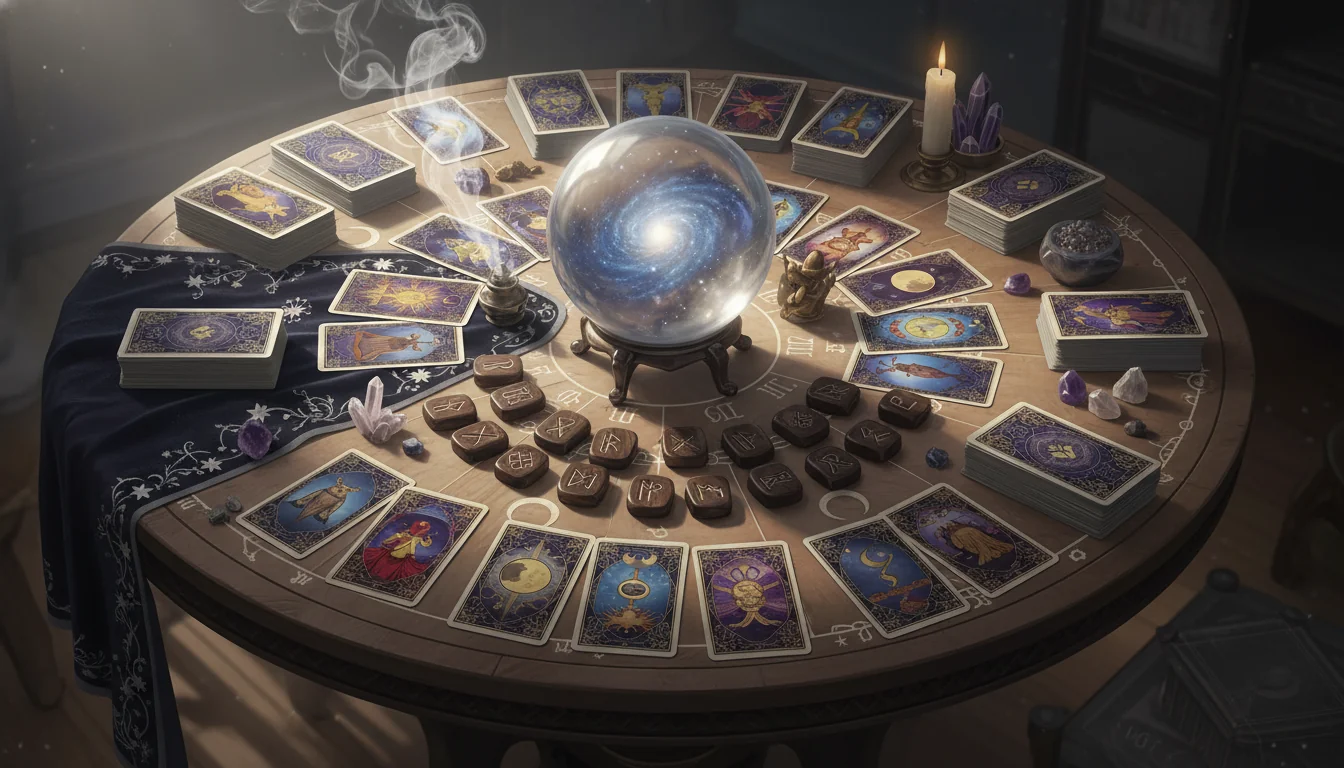
Още от най-дълбока древност хората са търсили начини да надникнат в неизвестното, да разгадаят бъдещето си, да получат отговори на най-важните си въпроси или просто да намерят утеха и мъдрост в трудни моменти. Това човешко желание е създало и развило множество методи за гадаене – практики, които се простират през векове и култури, всяка със своя уникална символика, философия и подход. От древни шумерски жреци, тълкуващи волята на боговете чрез животински черен дроб, до съвременни практикуващи, които използват методи и техники на врачуване: от кристална топка до карти, стремежът към прозрение остава постоянен. В тази статия ще разгледаме някои от най-известните и интересни методи за гадаене – Таро, кристали, руни, както и други, които допълват предсказателните изкуства. Усвояването на тези практики надхвърля сухото изучаване на техники и ни води към осмисляне на човешката интуиция, символизма и връзката ни с космоса.
Всяко гадаене се основава на идеята за връзка – между човека и висша сила, между съзнателното и подсъзнателното, между настоящето и бъдещето. Тези методи са мостове, които ти позволяват да получаваш послания, насоки и разбиране, които иначе биха останали скрити. Да бъдеш гадател, например, означава много повече от предсказване на бъдещето, тъй като твоята роля е да бъдеш проводник на информация и да тълкуваш символите и енергиите наоколо. Това изкуство изисква отлично познаване на инструментите, съчетано със силна връзка със собствената ти интуиция и емпатия към търсещия. Както е описано в "Какво означава да си врачка: Митове и Реалност", ролята на гадателя често е неразбрана, обгърната от митове и заблуди, но по същество е свързана с подпомагането на другите по пътя към самоосъзнаването.
В този наръчник ще разгледаме как различните инструменти – от древността до днес – предлагат различни гледни точки. Ще се запознаеш със символизма на Големите Аркани и Малките Аркани в Таро, ще откриеш тайните, скрити в древните руни, и ще разбереш как енергията на кристалите може да се използва за прозрение и лечение. Също така ще разгледаме и други, по-малко известни, но също толкова интересни методи. Целта е да ти дадем цялостна представа как тези практики функционират, как могат да се използват за личностно израстване и как да избереш най-подходящия метод за теб. Всички те имат една обща цел: да ти помогнат да разбереш себе си и света по-добре, да ти дадат сила да вземаш информирани решения и да живееш по-пълноценно.
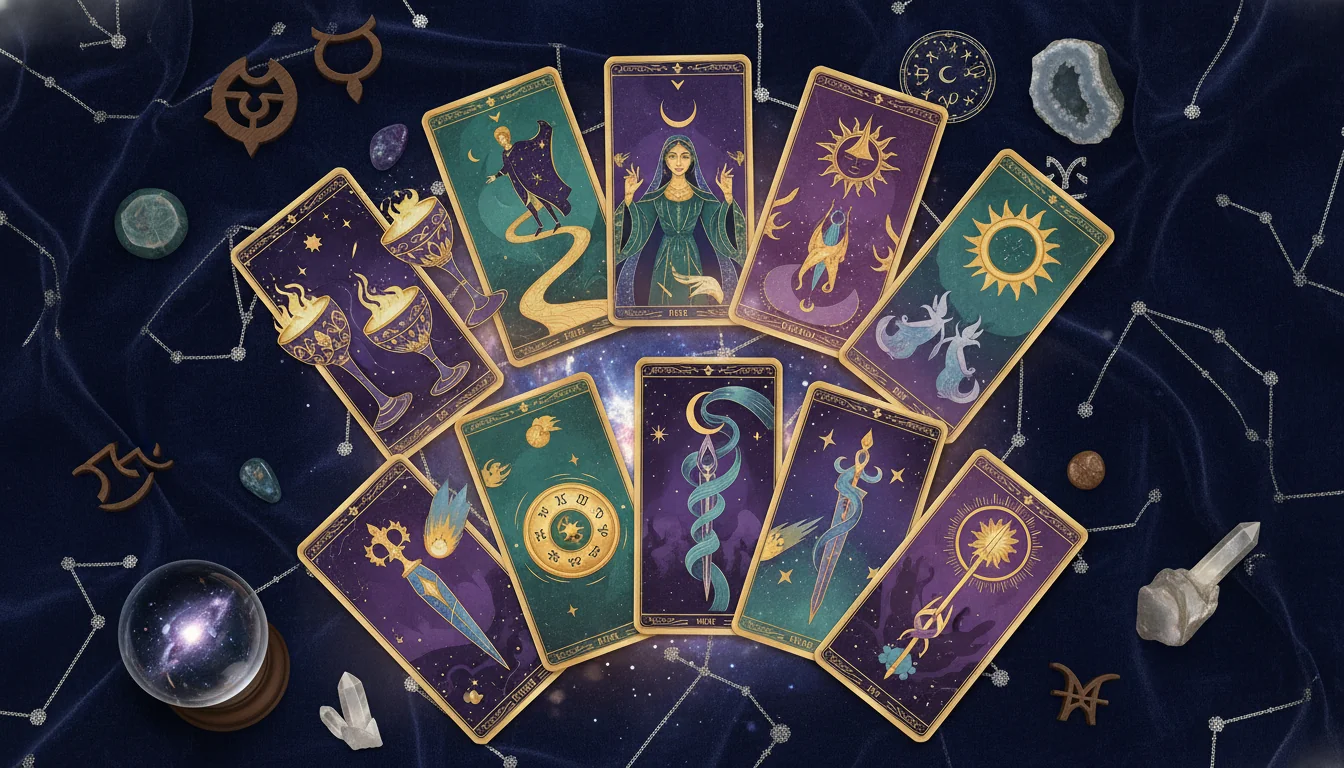
Таро е вероятно най-популярният и разпознаваем метод за гадаене днес. Колодата от 78 карти, разделени на Големи и Малки Аркани, предлага богата символика, която може да се тълкува по много начини. Всяка карта съдържа дълбоки архетипни образи, които отразяват общочовешки преживявания, емоции и ситуации. Затова Таро често се възприема едновременно като инструмент за предсказване и като ценен метод за самопознание, медитация и личностно развитие. Както е подчертано в "Първи стъпки в тълкуването: Основни значения на картите", първата стъпка към овладяването на Таро е да разбереш индивидуалните значения на картите.
Големите Аркани описват пътешествието на "Шутът" – символ на новото начало и потенциала – през основните житейски уроци и духовни промени. В тях влизат карти като Магьосника, Върховната жрица, Императрицата, Императора, Йерофант, Влюбените, Колесницата, Силата, Отшелника, Колелото на Фортуната, Справедливостта, Обесения, Смъртта, Умереността, Дявола, Кулата, Звездата, Луната, Слънцето, Страшния съд и завършващия Шут. Всяка от тези 22 карти символизира важен етап или архетип в човешкия живот, давайки ти поглед върху твоите цели, предизвикателства и духовния ти път. Те са съществени за осмисляне на общата картина и главните теми в живота на човек.
Малките Аркани, от своя страна, отразяват ежедневните събития, предизвикателства и ситуации, с които се сблъскваш. Те са разделени на четири бои – Пръчки (жезли), Чаши, Мечове и Пентакли (монети), които често се свързват с четирите стихии: Огън, Вода, Въздух и Земя. Всяка боя включва карти от Асо до Десет, показващи развитието на темата на съответната стихия, както и четири придворни карти – Паж, Рицар, Кралица и Крал, които представят различни персонажи и аспекти на тази енергия. Например, боята Пръчки е свързана с енергия, страст, творчество и действие; Чашите – с емоции, връзки, интуиция и любов; Мечовете – с мисли, комуникация, конфликти и истина; а Пентаклите – с материалния свят, работата, здравето и сигурността. Дълбокото разбиране на тези карти е ключово за пълноценното тълкуване на наталната карта и за осмисляне на динамиката на живота.
Има много различни тестета Таро, всяко със свой стил и начин на тълкуване. Най-популярното е Тестето на Райдър-Уейт-Смит, създадено от Артър Едуард Уейт и илюстрирано от Памела Колман Смит, чиито образи са вдъхновили много други тестета. Сред другите известни тестета са Тестето на Тота, Тестето на Марсилия и редица модерни авторски тестета. Изборът на тесте често е интуитивен – важно е да се чувстваш свързан с визията и енергията на картите. Изборът на първите Таро карти е ключов момент, който изисква внимание и интуиция.
Ефективната работа с Таро изисква да научиш значенията на картите и успоредно с това да развиеш своето интуитивно тълкуване. Това означава да разбираш връзките между картите в разклада, да усещаш енергията на въпроса си и да свързваш символиката с конкретната ситуация. Интуицията и Таро се допълват взаимно, за да разкрият посланията. Различните Таро разклади за начинаещи, като например разклада с три карти ("минало-настояще-бъдеще"), са отличен старт. За по-сложни въпроси можеш да използваш по-комплексни разклади като Келтски кръст.
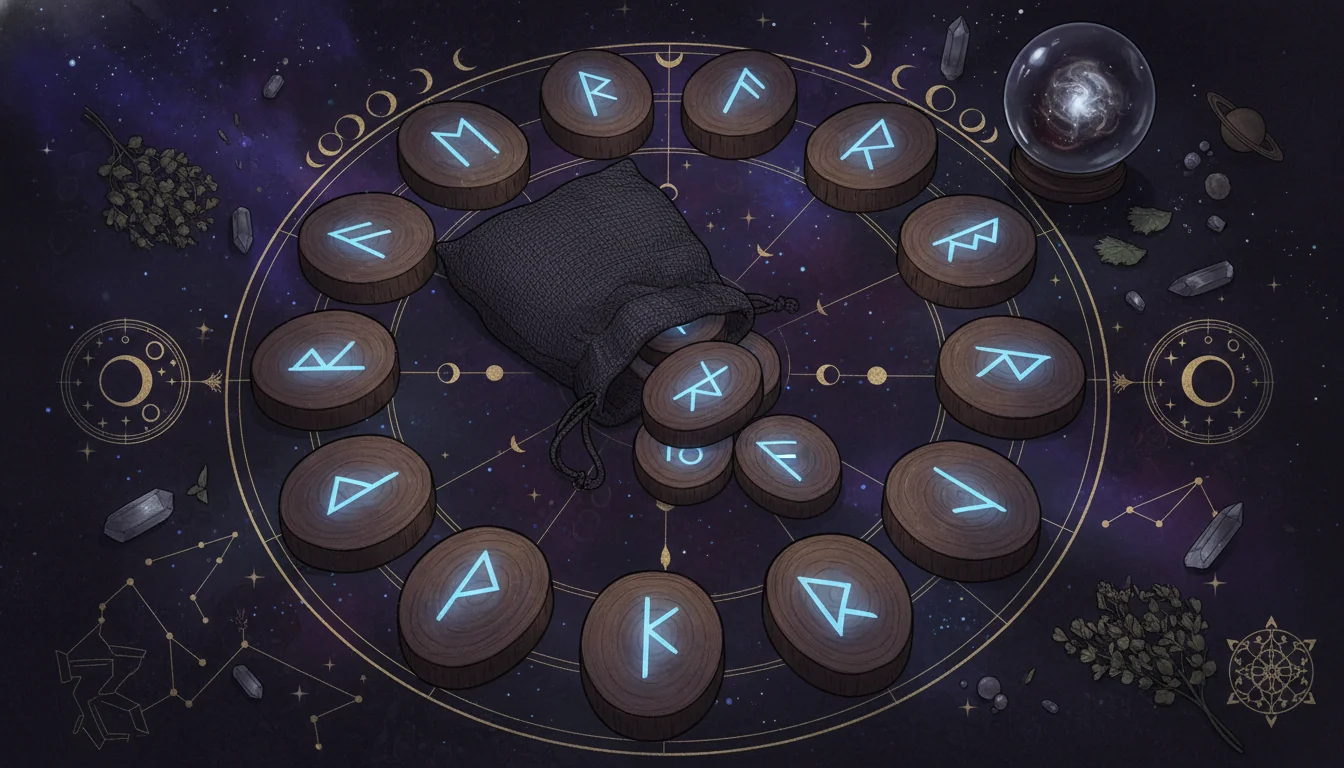
Руните са древна азбука, използвана от германските и скандинавските народи. Освен като писменост, те имат и силно мистично и предсказателно значение. Всяка руна носи специфична енергия, концепция и символика, свързана с природни сили, божества, човешки състояния и житейски цикли. Най-известният рунически набор е Elder Futhark, състоящ се от 24 руни, разделени на три групи по осем, наречени "aetts". За да тълкуваш руните, е нужно да разбираш тяхната митология, символика и връзката им с природните цикли.
Всяка руна от Elder Futhark има свое собствено име и значение. Например:
Това са само първите осем руни от първия aett. Останалите руни също разкриват важни теми, свързани с личностното развитие, връзките, предизвикателствата и духовния път.
Гадаенето с руни обикновено започва с изваждането на една или повече руни от торбичка, след като си ги разбъркал. За тълкуването са от съществено значение позицията на руната (права или обърната, ако използваш система с обърнати значения) и контекстът на въпроса ти. Руните могат да се поставят върху парче плат, да се подредят в определен разклад или просто да се интерпретират индивидуално. Често се използват за получаване на насоки при конкретни ситуации, за разбиране на скрити влияния или за предсказване на потенциални резултати.
Силата на руните идва от пряката им връзка с природните сили и древната мъдрост. Те не разказват сложни истории като Таро, а дават по-скоро ясни, концентрирани послания, които могат да бъдат много въздействащи. Работата с руни изисква интуитивно разбиране и уважение към техните древни корени. Могат да се използват и за създаване на амулети и талисмани – всеки символ се гравира върху камък, дърво или метал, за да привлече или отблъсне определени енергии.
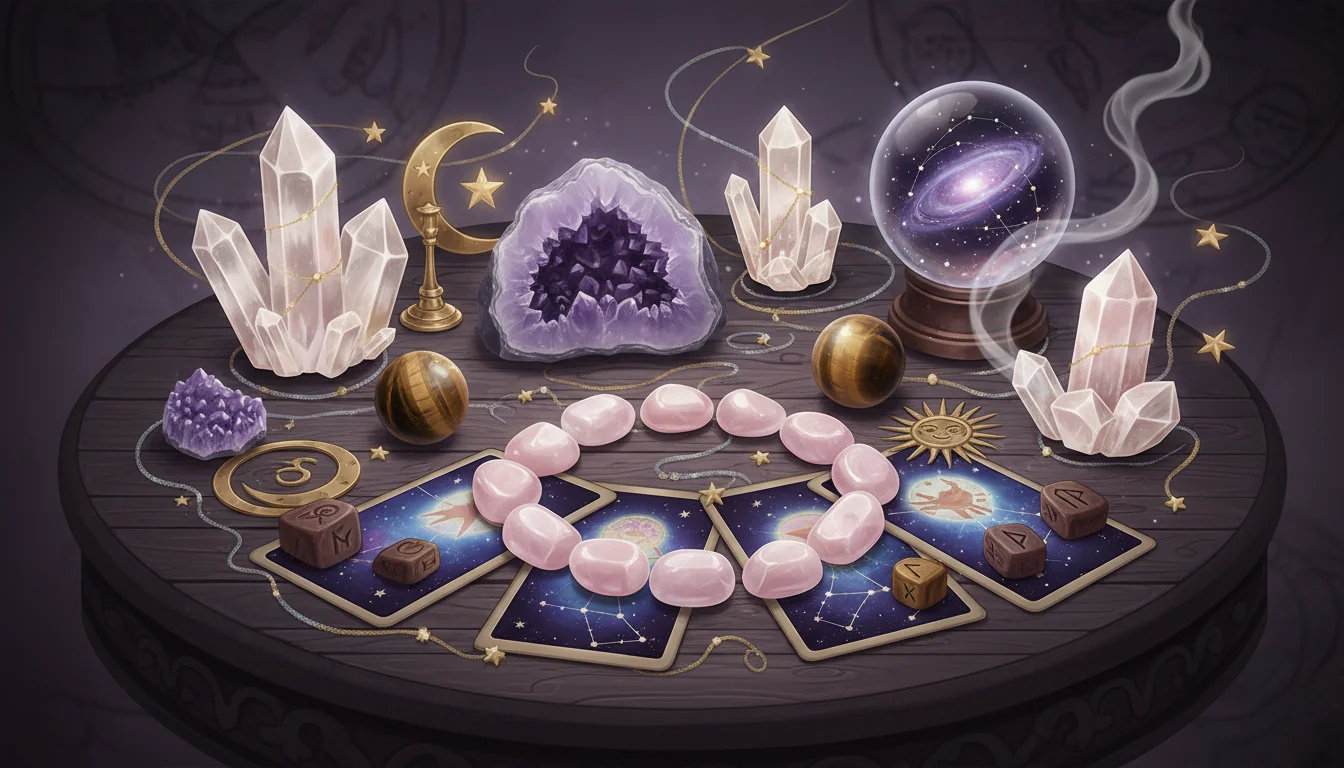
Кристалите отдавна се използват в различни култури заради техните предполагаеми лечебни свойства и способността им да фокусират и усилват енергията. В контекста на гадаенето, кристалите могат да ти служат като инструменти за медитация, за фокусиране на намерението, за усилване на интуицията и дори като директен метод за получаване на отговори. Те притежават уникални вибрационни честоти, които могат да се свържат с човешката аура и енергийни центрове (чакри), подпомагайки баланса и прочистването.
Някои от най-често използваните кристали за гадаене и духовна работа включват:
Методите за гадаене с кристали са разнообразни. Някои хора използват кристални кълба (кристални топки), за да виждат образи или видения. Други медитират с конкретен кристал, като го държат в ръка или го поставят върху съответната чакра, за да получат насоки или енергийно лечение. Съществуват и кристални разклади, подобни на тези с карти или руни, където кристалите се подреждат по определен начин, за да отговорят на въпрос.
Важно е да се отбележи, че работата с кристали изисква уважение към тяхната енергия и твоето намерение. Преди употреба, кристалите често се "прочистват" от натрупани енергии (чрез дим, вода, лунна светлина или други методи) и се "зареждат" с твоето намерение. Като част от по-широката област на астрологични символи и език, кристалите предлагат уникален начин да се свържеш с енергийните потоци на Вселената.
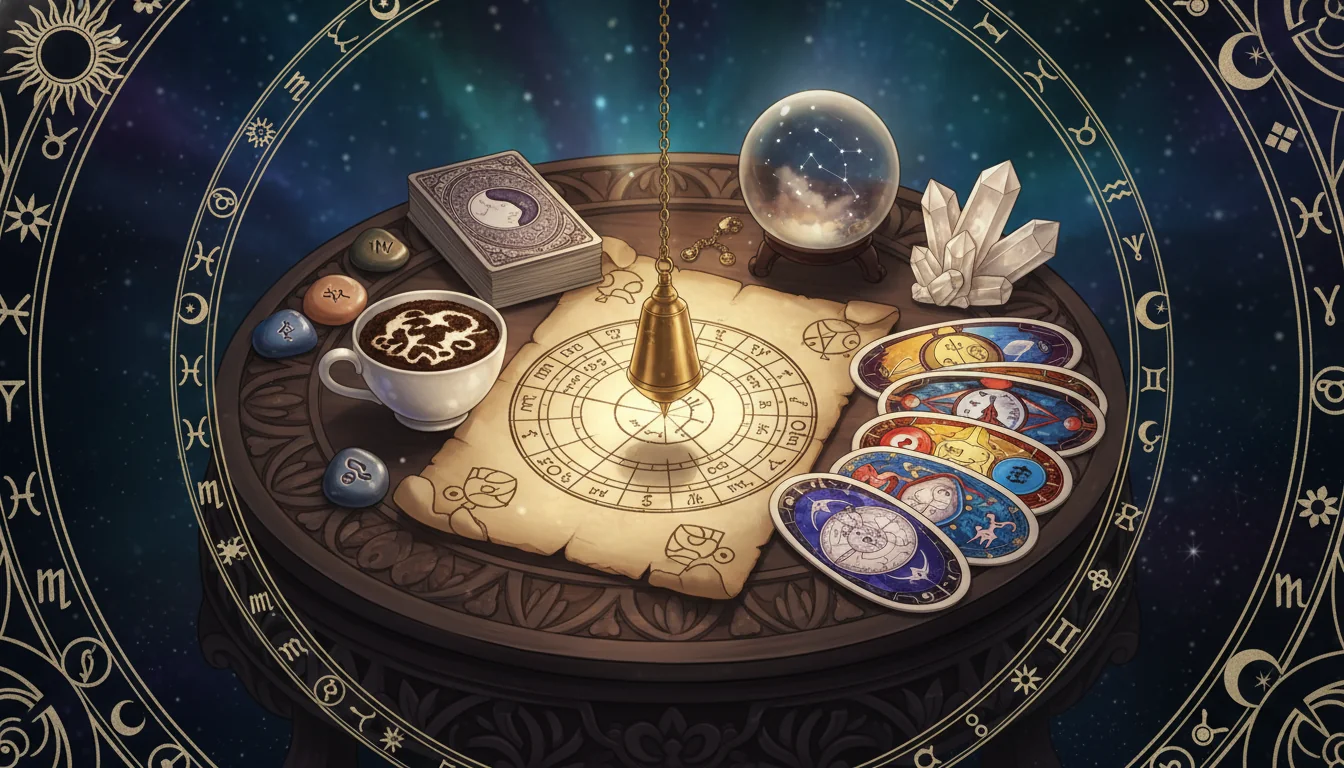
Светът на гадаенето е изключително богат и разнообразен. Освен Таро, руните и кристалите, съществуват множество други методи, всеки със своите уникални традиции и символика:
Всеки от тези методи предлага уникална перспектива и подход към търсенето на отговори. Важно е да подходиш към всеки от тях с отворен ум и желание за учене. Също така, както при всички форми на гадаене, етичните рамки са от ключово значение. Етичните рамки за практикуващи гарантират, че практиката се извършва с отговорност и уважение към търсещия.
С толкова много различни методи за гадаене, изборът на този, който е най-подходящ за теб, може да изглежда сложен. Най-добрият подход е да се довериш на интуицията си и да експериментираш. Ето няколко насоки, които могат да помогнат:
Някои хора откриват, че различни методи им служат в различни периоди от живота или за различни видове въпроси. Например, може да използваш Таро за емоционални въпроси, руни за бързи съвети, а астрология за разбиране на дългосрочни тенденции. Ключът е да се подхожда с отворено сърце, любопитство и готовност да се учиш от мъдростта, която тези древни и съвременни практики предлагат.
Без значение дали работиш с Таро, руни, кристали, астрология или друг метод, интуицията е твоят най-важен инструмент. Техниките и символиката служат само като проводници; истинското прозрение идва от умението да се свържеш с вътрешния си глас и да тълкуваш посланията на по-дълбоко ниво. Астрологията, например, предлага рамка от символи и връзки, но тълкуването на една натална карта изисква интуитивно разбиране на енергиите и как те се проявяват в живота на човека. Зодиакалните знаци, планетите и домовете са инструменти, но интуицията е тази, която ги оживява.
Интуицията често се описва като "шесто чувство" – внезапно разбиране или знание, което се появява без логически разсъждения. Тя може да се прояви като:
Развиването на интуицията е процес, който изисква постоянна практика и осъзнатост. Методи като медитация, осъзнато дишане, прекарване на време сред природата и редовна работа с избрания метод за гадаене могат значително да подобрят твоите интуитивни способности. Когато работиш с Таро, например, обърни внимание както на традиционното значение на картата, така и на породените от нея чувства и лични асоциации. Същото важи и за руните – опитай да усетиш енергията, която носи всяка руна. Работата с планетите в наталната карта също изисква интуитивно свързване с тяхната символика.
В крайна сметка, всички методи за гадаене са инструменти, които ни помагат да се свържем с по-дълбока мъдрост – независимо дали е вътрешна, космическа или божествена. Интуицията е основният фактор за ефективното използване на тези инструменти, благодарение на който получаваме най-ценните послания. Както е обяснено в "Еволюция на хороскопа: От древни предсказания до модерна психология", съвременните подходи често наблягат на самопознанието и психологическото разбиране, където интуицията има централна роля.
| Метод | Произход | Основен инструмент | Типична употреба | Силни страни |
|---|---|---|---|---|
| Таро | Средновековна Европа (вероятно Италия) | 78 карти (Големи и Малки Аркани) | Самопознание, анализ на ситуации, предсказване на тенденции | Богат символизъм, дълбочина на интерпретация, психологическа яснота |
| Руни | Древни германски и скандинавски племена | Дървени или каменни плочки със символи (руни) | Насоки, съвети, защита, разбиране на основни енергии | Директни послания, силна връзка с природата и митологията, яснота |
| Кристали | Древни цивилизации (Египет, Гърция, Рим и др.) | Различни видове кристали (кварц, аметист и др.) | Енергийно лечение, медитация, фокусиране на намерение, прозрение | Вибрационна енергия, балансиране на чакри, усилване на интуицията |
| Астрология | Древна Месопотамия, Египет, Гърция | Натална карта (позиции на планети, знаци, домове) | Разбиране на личността, житейски път, потенциални събития, връзки | Цялостна картина на живота, дълбоко самопознание, предвидимост на тенденции |
| Нумерология | Древна Гърция (Питагор), Индия, Китай | Числа, изчислени от име и дата на раждане | Разбиране на личностни черти, житейска мисия, съвместимост | Яснота относно основните енергии и пътеки, лесно изчислима |
| Маятник | Древни практики, документирани от 16 век | Маятник (кристал, метал) | Отговори с "да/не", намиране на загубени предмети, енергийно балансиране | Бързина, простота, достъпност, свързване с подсъзнанието |
| Символ/Елемент | Стихия | Асоциации | Примери в методи за гадаене |
|---|---|---|---|
| Пръчки/Жезли | Огън | Страст, действие, творчество, енергия, воля | Боя Пръчки в Таро, руната Kenaz (светлина/огън) |
| Чаши | Вода | Емоции, любов, интуиция, връзки, съзнание | Боя Чаши в Таро, руната Gebo (подарък/връзка) |
| Мечове | Въздух | Мисъл, комуникация, истина, конфликт, интелект | Боя Мечове в Таро, руната Ansuz (комуникация/мъдрост) |
| Пентакли/Монети | Земя | Материя, работа, пари, здраве, сигурност, тяло | Боя Пентакли в Таро, руната Uruz (сила/жизненост) |
| Слънце | Огън/Живот | Жизненост, его, идентичност, успех, яснота | Карта "Слънцето" в Таро, астрологичен символ за Слънцето (основа на астрологичните символи) |
| Луна | Вода | Подсъзнание, емоции, интуиция, илюзии, циклични промени | Карта "Луната" в Таро, астрологичен символ за Луната |
Да, всеки може да се научи да гадае. Макар някои хора да имат по-силна вродена интуиция, всеки метод за гадаене се усвоява с практика, търпение и отдаденост. Важно е да подходиш с отворен ум и желание да учиш.
Кой метод е най-добър за теб като начинаещ, е строго индивидуален избор. Таро е често предпочитан вариант заради детайлните си карти и истории, които предлагат много визуални подсказки. Руните също могат да са добър старт, тъй като посланията им са по-директни. Астрологията и нумерологията също дават достъпни пътища към самопознанието. Най-важното е да избереш метод, който лично ти допада и усещаш като свой.
Повечето съвременни практикуващи са на мнение, че гадаенето не предсказва абсолютно фиксирано бъдеще. То по-скоро показва вероятни тенденции и резултати, които зависят от настоящите енергии и решенията, които взимаш. Гадаенето е пътеводител, който ти помага да направиш информиран избор и да промениш посоката, ако е нужно. Използването на съвета от гадаене за личностно израстване е от ключово значение.
Таро се отличава със строго определена структура от 78 карти, разделени на Големи и Малки Аркани, всяка с богата история и символика. Оракулните карти обикновено имат по-свободна структура, по-малък брой карти и често са фокусирани върху конкретни теми като ангели, животни или афирмации. Таро обикновено предлага по-задълбочен анализ на дадена ситуация, докато оракулните карти по-често дават по-кратки и вдъхновяващи послания.
Самите кристали обикновено не са опасни. Все пак, както с всеки енергиен инструмент, е важно да подхождаш към тях с уважение. Някои кристали може да не са подходящи за директен контакт с кожата или за поглъщане, но за гадаене и енергийна работа са напълно безопасни, стига да ги използваш правилно и с добри намерения.
Изборът на твоето лично тесте Таро или набор от руни често е интуитивен. Разгледай различни варианти, докосни ги, опитай да усетиш енергията им. Това, което те привлича най-силно и с което се чувстваш най-свързан, вероятно е правилното за теб. Не се страхувай да експериментираш.
Астрологията дава основна рамка за разбиране на енергиите и влиянията. Други методи като Таро, руни и нумерология често използват символи и концепции, които имат своите паралели в астрологичните принципи. Например, стихиите (огън, вода, въздух, земя) са основни и в двете области. Астрологията може да ти помогне да разбереш по-дълбокия контекст на посланията, които получаваш от други методи. Астрологията в древен Рим и нейните корени показват дългата история на тези взаимовръзки.
Няма строго правило колко често можеш да си правиш гадаене. Зависи от твоите нужди и интуиция. Прекалено честото гадаене по един и същ въпрос може да доведе до объркване или дори зависимост. По-добре е да използваш гадаенето, когато имаш конкретен въпрос, нужда от насока или искаш да разбереш по-добре дадена ситуация. Етиката в Таро четенето подчертава отговорността, с която трябва да подхождаш към енергията.
Различните методи за гадаене предлагат пътешествие към разбирането на себе си и на света около теб. От символизма на Таро, през мъдростта на руните, до силата на кристалите и комплексните системи на астрологията и нумерологията – всеки метод отваря уникален поглед към невидимото. Тези практики са ценни инструменти за самопознание, личностно израстване и намиране на смисъл в житейския ти път.
Познаването на различните методи ти позволява да избереш този, който резонира най-силно с теб, или да комбинираш няколко подхода за по-цялостна картина. За успешна практика е ключово да познаваш техниките, да уважаваш символиката и най-вече – да развиваш и да се доверяваш на собствената си интуиция. Както показва "Методи и техники на врачуване: от кристална топка до карти", историческият контекст и еволюцията на тези практики доказват тяхната трайна значимост в човешкото търсене на отговори.
Независимо дали тепърва навлизаш в света на Таро, или си опитен практикуващ, който изследва фините нюанси на астрологията, всеки метод ти дава възможност да се свържеш по-дълбоко със себе си и с енергията на Вселената. В крайна сметка, гадаенето цели да ти даде яснота, увереност и мъдрост, за да можеш да се справяш с предизвикателствата и да използваш възможностите, които животът ти предлага. Приемането на тези практики като инструменти за самоосъзнаване и подкрепа вместо като догматични предсказания води до извличане на максимална полза от тях. Важно е да помниш, че ролята на врачката е твой водач, а не диктатор на съдбата, и винаги те насърчава да поемеш отговорност за собствения си живот.
Надяваме се този наръчник да ти е дал ценна информация и вдъхновение да изследваш света на различните методи за гадаене. Пътешествието е твое, а инструментите са многобройни. Избери своя път, довери се на интуицията си и открий мъдростта, която те очаква.
Астрологията и другите форми на гадаене са инструменти за самопознание и размисъл, а не прецизна наука. Информацията в тази статия е с образователна цел и не трябва да замества професионален съвет. Всеки човек е уникален, затова астрологичните интерпретации са общи насоки, а не абсолютни истини. Отговорността за вземането на решения винаги е твоя.
Редакционен екип на Vrachka.eu
Съдържанието в Космическата Библиотека се създава от редакционния екип: AI асистира с проучване и чернова, а всеки материал се преглежда и редактира за точност спрямо традиционни астрологични източници. Не публикуваме непроверено AI съдържание.
Какво ти предстои тази година?
Соларно завръщане, профекции, ключови дати и месечна прогноза за цялата 2026.
Сигурно плащане · не резонира ли с теб - връщаме парите до 14 дни
Разгледай останалите ръководства или изследвай астрология.
Разгледай още ръководства от категория Гидове

Накратко Разгледайте как астрологията е процъфтявала в Древен Рим, повлияна от вавилонски и елинистически традиции. Открийте как римляните са използвали звездите за предсказания, управление и разбиран

Научете всичко за натална карта: основи и тълкуване. Подробен гид с практически съвети и задълбочена информация.
Накратко Врачуването е древно изкуство, което използва различни методи за получаване на информация и прозрения за миналото, настоящето и бъдещето. От интуитивни практики като ясновидство и медиумство