
Астрология Ръководство
Произходът на хороскопа: Вавилонските корени
Слушай статията
Аудио версия
Генерирано аудио
Теорията е за всички. Твоята карта е само твоя - виж какво ѝ готви 2026.
Моят годишен отчет →Аудио версия
Наблюдението на нощното небе е тясно свързано с историята на човешката цивилизация, а вавилонската астрология се смята за основен източник на днешните хороскопи и предсказателни практики. Корените на това древно знание се простират хилядолетия назад в плодородните земи на Месопотамия, където жреците-астрономи за първи път започват да систематизират движението на небесните тела. Разбирането на тези антични основи е важно за всеки, който иска да вникне в символиката на зодиакалните знаци и тяхното влияние върху човешката съдба.
Халдейските мъдреци не са правили разлика между астрономия и астрология, разглеждайки космоса като гигантски механизъм, чрез който боговете комуникират с хората. Вавилонците са преминали от простото наблюдение на поличби към сложни математически изчисления, които полагат основите на западната астрологична традиция. Без иновациите на Месопотамия, съвременната концепция за натална карта и планетарни аспекти вероятно нямаше да съществува в познатия ни вид.
В самото начало астрологията в Месопотамия не е била насочена към индивида, а към благоденствието на царя и държавата. Основният документ, който служи за основа на това знание, е огромната поредица от клинописни таблички, известна като Енума Ану Енлил. Това монументално произведение събира вековни наблюдения върху лунните и слънчевите затъмнения, появата на комети и метеорологичните явления. Тези текстове показват една строго детерминистична картина на света, в която небето е "писмо", изписано от боговете.
Жреците, наричани "тупшару" (писари), са прекарвали нощите си в наблюдение на хоризонта от върховете на зикуратите. Всяко необичайно движение на планетите е било внимателно записвано и интерпретирано. Например, ако Юпитер (Мардук) се появи в определен месец при определени условия, това е означавало изобилна реколта или победа във война. За вавилонците астрологията е била форма на предсказателна наука, равна по точност на днешната метеорология.
Тази ранна форма на астрология се нарича "мунданна" (световна). Тя не се е интересувала от психологическия профил на човека, а от обективни събития като наводнения, епидемии или политически преврати. Систематизирането на тези поличби в "Енума Ану Енлил" позволява на вавилонците да създадат първата в историята библиотека от емпирични данни за връзката между небето и земята.
През VIII-VII век пр.н.е. вавилонската астрономия прави огромен скок с написването на серията таблички MUL.APIN. Името буквално означава "Звездата на Плуга" и представлява най-изчерпателния списък със съзвездия и планетарни пътища от древността. Тези текстове разделят небето на три "пътя", кръстени на великите богове: Пътят на Ану (небесния екватор), Пътят на Енлил (северното небе) и Пътят на Еа (южното небе).
В MUL.APIN откриваме прототипите на много от днешните зодиакални знаци. Вавилонците са идентифицирали съзвездия като "Наемният работник" (Овен), "Бикът на небето" (Телец) и "Великите близнаци" (Близнаци). Тези имена не са били случайни, а свързани с аграрния цикъл и митологията на региона. Например, изгряването на определени звезди е сигнализирало началото на сеитбата или прииждането на реките Тигър и Ефрат.
Този период бележи прехода от чисто религиозно тълкуване към по-математически подход. Вавилонците започват да измерват времето с помощта на водни часовници (клепсидри) и да изчисляват периодите на видимост на планетите. Тогава се ражда и концепцията за еклиптиката – видимият път на Слънцето през звездите, разделен на специфични сектори.
| Вавилонско име | Значение | Модерен зодиакален знак |
|---|---|---|
| MUL.LU.HUN.GA | Наемният работник | Овен |
| GU.AN.NA | Небесният Бик | Телец |
| MAŠ.TAB.BA.GAL.GAL | Великите Близнаци | Близнаци |
| AL.LUL | Рак | Рак |
| UR.GU.LA | Лъвът | Лъв |
| AB.SIN | Житният клас | Дева |
Едно от най-значимите постижения на вавилонската астрология е стандартизацията на зодиака около V век пр.н.е. Преди това съзвездията по еклиптиката са имали различна дължина и са били общо 17 или 18 на брой. Вавилонските математици обаче осъзнават, че е нужна по-прецизна система за изчисляване на лунните и слънчевите цикли.
Те разделят пълния кръг от 360 градуса на 12 равни части от по 30 градуса всяка. Всеки сектор получава името на най-близкото до него доминиращо съзвездие. Така се появява зодиакът, който използваме и днес. Това е бил революционен акт, който превръща астрологията от наблюдателна в изчислителна дисциплина. Вече не е било необходимо физически да виждаш планетата, за да знаеш къде се намира тя – нейните координати са можели да бъдат изчислени чрез аритметични прогресии.
Тази система позволява на халдейците да създадат първите "ефемериди" – таблици с бъдещите позиции на небесните тела. Тази технология по-късно позволява на гърците да развият сложните геометрични модели на Птолемей. Вавилонският зодиак е бил "сидерален" (звезден), базиран на фиксираните звезди, за разлика от модерния западен "тропически" зодиак, който се ориентира по равноденствията.
Към края на V век пр.н.е. настъпва важна промяна: фокусът се измества от съдбата на царя към съдбата на обикновения човек (или поне на тези, които са могли да си го позволят). Първият открит натален хороскоп датира от 29 април 410 г. пр.н.е. и е съставен за дете, родено във Вавилон. Текстът е кратък и съдържа позициите на Луната, Слънцето и планетите в знаците към момента на раждането.
Тези ранни лични хороскопи са били лишени от психологическия нюанс на модерната астрология. Те са съдържали кратки предсказания като: "Той ще бъде богат", "Ще има дълъг живот" или "Ще изпитва лишения". Въпреки това, самата идея, че небесната конфигурация в момента на първия дъх определя жизнения път, е изцяло вавилонско постижение.
Жреците са използвали сложни методи за изчисление, включително концепцията за "додекатемория" – разделянето на всеки знак на още 12 части, което е ранен предшественик на по-късните системи от домове и деканти. Тези техники показват забележителна математическа прецизност, постигната без телескопи или компютри, само чрез вековни архиви и логическо мислене.
За вавилонците планетите не са били просто камъни или газови гиганти, а "Биббу" – диви овце, които се движат свободно на фона на "неподвижните" звезди. Всяка планета е била въплъщение на конкретно божество от пантеона. Характеристиките, които днес приписваме на планетите в астрологията, са директно наследени от митологичните качества на тези богове.
| Планета | Вавилонско божество | Астрологични атрибути |
|---|---|---|
| Слънце | Шамаш | Справедливост, истина, светлина |
| Луна | Син | Време, растеж, цикличност |
| Меркурий | Набу | Писане, мъдрост, комуникация |
| Венера | Ищар | Любов, война, страст |
| Марс | Нергал | Смърт, чума, разрушение |
| Юпитер | Мардук | Власт, закон, благосклонност |
| Сатурн | Нинурта | Земеделие, постоянство, съдба |
Например, връзката между Марс и агресията идва от Нергал – богът на подземното царство и епидемиите. Венера, като Ищар, е проявявала двоен аспект: сутрешна звезда (богиня на войната) и вечерна звезда (богиня на любовта). Тази дуалност все още се изследва в модерната астрология чрез концепцията за фазите на Венера.
Вавилонската астрология не би била възможна без тяхната уникална бройна система с основа 60 (сексагезимална). Именно благодарение на нея днес имаме 60 минути в един час, 60 секунди в минутата и 360 градуса в кръга. Това е един от най-големите приноси на Месопотамия към световната наука.
Халдейските астрономи са използвали тази система, за да предсказват с изключителна точност лунните цикли (Сарос) и периодичните завръщания на планетите. Те са разработили аритметични методи, известни като "Система А" и "Система Б", за да изчисляват скоростта на Луната и Слънцето по еклиптиката. Тези изчисления са били толкова напреднали, че са позволявали предсказването на затъмнения години напред – нещо, което е придавало на жреците почти божествен статус.
Важно е да се разбере, че за вавилонците математиката е била свещена. Те са вярвали, че редът в числата отразява космическия ред, установен от боговете в началото на времето. Когато днес съставяш хороскоп, ти несъзнателно използваш същите тези математически принципи, положени в пясъците на Месопотамия преди повече от 2500 години.
Вавилонското знание започва да се влива в гръцката мисъл, след като Александър Велики завладява Вавилон. Гърците били силно впечатлени от месопотамската наука, дотам че думата "халдеец" започнала да се използва като синоним на астролог и математик. Именно този синтез между вавилонската математика и гръцката философия поставя основите на елинистичната астрология – пряк предшественик на съвременната ни система.
Около 280 г. пр.н.е. вавилонският жрец Берос основава школа на гръцкия остров Кос, където превежда клинописни текстове на гръцки. Гърците доразвиват системата, добавяйки концепции като Асцендента, домовете и геометричните аспекти (тригон, квадрат), но основното ядро – 12-те зодиакални знака и планетарните значения – остава изцяло вавилонско. Дори имената на планетите, които днес използваме (латински), са директни преводи на вавилонските им съответствия, преминавайки през гръцки посредник.
Този културен трансфер се оказва изключително успешен. Той спасява вавилонската астрология от забрава, особено след като клинописното писмо постепенно излиза от употреба. Без този мост между Месопотамия и Средиземноморието, голяма част от древното знание за звездите би останала завинаги изгубена под руините на Ниневия и Вавилон.
Първият документиран личен натален хороскоп датира от 410 г. пр.н.е. във Вавилон. Все пак, системни наблюдения на поличби са съществували още от около 2000 г. пр.н.е.
Вавилонците разделили еклиптиката на 12 равни сектора от по 30 градуса. Целта била да се съобрази системата с 12-те лунни месеца в една година, което създало математически удобен модел.
"Халдейска астрология" е термин, използван в древността за вавилонската астрология. Това е така, защото халдеите били доминиращата етническа група и жреческа каста във Вавилон през този период.
Вавилонската система била предимно детерминистична, но те вярвали, че с помощта на ритуали и молитви боговете могат да повлияят на предсказаната съдба.
Те разчитали на вековни записи от наблюдения и сложни аритметични прогресии, за да предсказват бъдещи цикли.
Мардук е върховното божество на Вавилон. Той е свързан с планетата Юпитер, която символизира царската власт и реда.
Не в модерния смисъл, в който ги познаваме днес. Системата от домове е разработена по-късно от гърците, но вавилонците са имали подобни представи за позициите на небесните тела спрямо хоризонта.
Вавилонският зодиак е сидерален, което означава, че се базира на реалните позиции на звездите. Модерният западен зодиак, от друга страна, е тропически и се основава на сезоните.
MUL.APIN е древен вавилонски каталог, съдържащ списъци със съзвездия и астрономически данни, който полага основите на по-късния зодиак.
Вавилонците познавали множество съзвездия, включително Змиеносец. Въпреки това, те съзнателно избрали 12-знаковата система заради нейната математическа хармония.
Затъмненията били смятани за едни от най-силните поличби. Често предвещавали смърт на царя или големи бедствия, което налагало извършването на специални защитни ритуали.
В Vrachka.eu ще намериш обширни ресурси и статии, които изследват историята и практическото приложение на древните астрологични техники.
Връзката ни с древния Вавилон е много по-дълбока, отколкото повечето хора осъзнават. Всеки път, когато погледнеш своя хороскоп или провериш позициите на планетите, ти използваш език, създаден от жреците край бреговете на Ефрат. Вавилонската астрология не е просто исторически артефакт; тя е живата тъкан на западната езотерична традиция. Разбирането на тези корени ни помага да преоткрием изгубената връзка между небесната механика и човешкия опит.
Днес, благодарение на археологическите открития и дешифрирането на хиляди таблички, можем да възстановим това древно знание с голяма точност. В Vrachka.eu се стремим да поддържаме този пламък жив, като съчетаваме древната мъдрост със съвременни аналитични методи. Вавилонците са ни научили, че космосът не е хаотичен, а е подреден и пълен със смисъл, който чака да бъде разчетен.
Ако искаш да разбереш как тези древни принципи влияят на твоя живот днес, разгледай нашите детайлни гидове за зодиакалните знаци или се консултирай с ресурсите на Vrachka.eu. Пътешествието към самопознанието започва със звездите – точно както е започнало за халдейските мъдреци преди хиляди години. Нека наследството на Вавилон те води в откриването на твоята лична космическа съдба.
Редакционен екип на Vrachka.eu
Съдържанието в Космическата Библиотека се създава от редакционния екип: AI асистира с проучване и чернова, а всеки материал се преглежда и редактира за точност спрямо традиционни астрологични източници. Не публикуваме непроверено AI съдържание.
Какво ти предстои тази година?
Соларно завръщане, профекции, ключови дати и месечна прогноза за цялата 2026.
Сигурно плащане · не резонира ли с теб - връщаме парите до 14 дни
Разгледай останалите ръководства или изследвай астрология.
Разгледай още ръководства от категория Гидове

Получаването на съвет чрез гадаене може да бъде мощен инструмент за личностно израстване, ако се подходи правилно. Ключът е да се разглеждат получените послания като насоки, а не като неизбежна съдба.
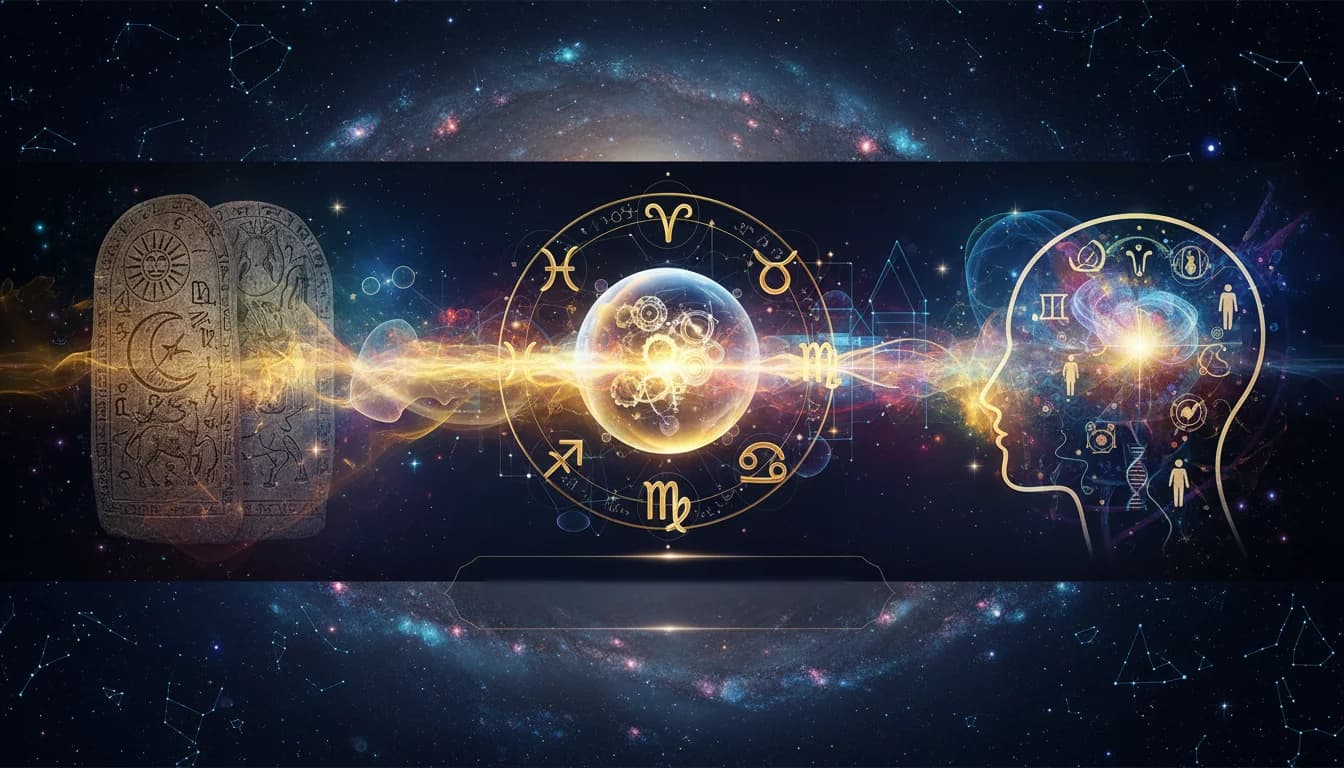
Еволюцията на хороскопа проследява пътя от древните звездобройци до съвременната психологическа астрология. Първоначално използвани за предсказания и управление на държави, хороскопите днес служат кат

Историята на хороскопа проследява пътя от древните вавилонски звездобройци до съвременната астрология. Разгледайте еволюцията на астрологията през различни цивилизации, от Египет и Гърция до Средновек