
Астрология Ръководство
Натална карта: Основи и тълкуване
Слушай статията
Аудио версия
Генерирано аудио
Теорията е за всички. Твоята карта е само твоя - виж какво ѝ готви 2026.
Моят годишен отчет →Аудио версия
Наталната карта е твоят личен астрологичен отпечатък, който показва разположението на планетите в момента на твоето раждане. Тя е небесна карта, разкриваща вродените ти таланти, предизвикателства, потенциал и житейски пътеки. Ключово за тълкуването ѝ е разбирането на основните елементи: планети, зодиакални знаци, домове и аспекти. Наталната карта е ценен инструмент за самопознание, който може да ти помогне да разбереш себе си по-дълбоко и да се ориентираш по-уверено в живота.
Наталната карта е уникална астрологична схема, която показва разположението на планетите в момента на твоето раждане. Тя разкрива вродените ти таланти, предизвикателства и потенциал, служейки като ценен инструмент за самопознание и ориентиране в живота. Разбирането ѝ ти помага да осмислиш по-дълбоко своя път.
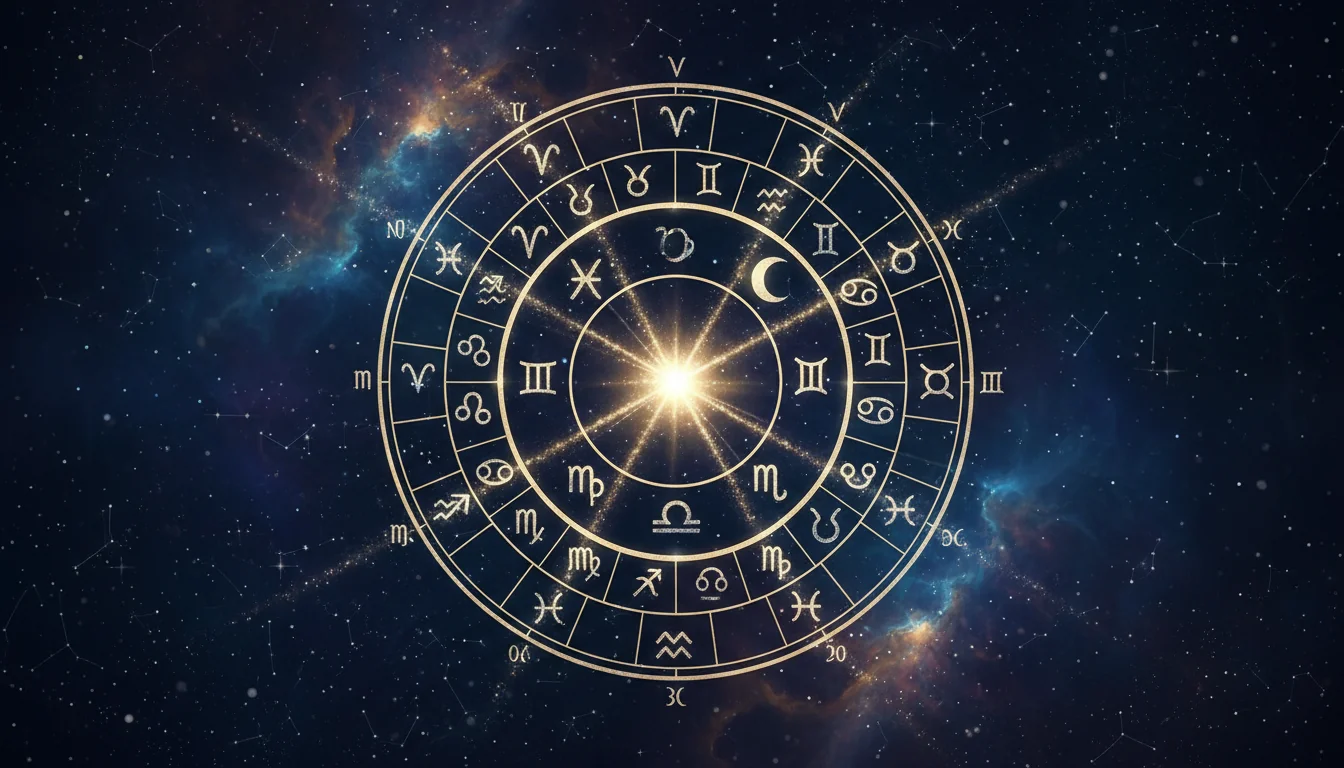
В основата на астрологията стои концепцията за наталната карта – изключително личен и сложен астрологичен документ. Тя е като твой космически паспорт, запечатан в мига на първото ти вдишване. Представи си я като моментна снимка на небето, направена точно в мига, в който си поел първия си дъх. В този момент всяка планета, звезда и съзвездие е заемало определена позиция. Всички тези позиции, отразени върху зодиакалния кръг, формират твоята уникална натална карта.
На Vrachka.eu ще намериш подробна информация как да тълкуваш своята натална карта, за да разбереш себе си по-добре.
Защо тази карта е толкова важна? Смята се, че небесните тела в този конкретен момент са повлияли на твоята същност, характер, възможности и дори на предизвикателствата ти. Тя не предсказва бъдещето със сигурност, но разкрива потенциалите, които носиш в себе си, както и енергиите, с които ще трябва да работиш през живота си. Твоята натална карта е като карта на съкровище, която ти показва къде са скрити най-големите ти богатства (таланти, силни страни) и къде може да се наложи да копаеш по-дълбоко, за да преодолееш препятствията (слаби страни, предизвикателства).
Разбирането на наталната карта не е само за астролози; то е път към по-дълбоко самопознание. Когато разчиташ собствената си карта, получаваш представа за най-дълбоките си мотивации, за начина, по който общуваш, за емоционалните си нужди, за кариерния си потенциал и за взаимоотношенията си. Тя може да обясни защо реагираш по определен начин в различни ситуации, защо си привлечен от определени хора или дейности и какви са вродените ти склонности. В този смисъл, наталната карта е ценен инструмент за личностно израстване и самоосъзнаване. Тя ти помага да приемеш всички аспекти на своята личност – както светлите, така и сенчестите – и да ги интегрираш по конструктивен начин.
Астрологията има дълга история, варираща от древните вавилонски предсказания до модерната психологическа астрология, но наталната карта остава един от най-фундаменталните ѝ инструменти. Тя е основата, върху която се градят всички останали астрологични анализи, като например синастрията (анализ на връзки) или транзитите (изучаване на текущите планетарни влияния). В тази статия ще навлезем в основите на наталната карта, ще разгледаме нейните ключови компоненти и ще ти дадем насоки как да започнеш да я тълкуваш.
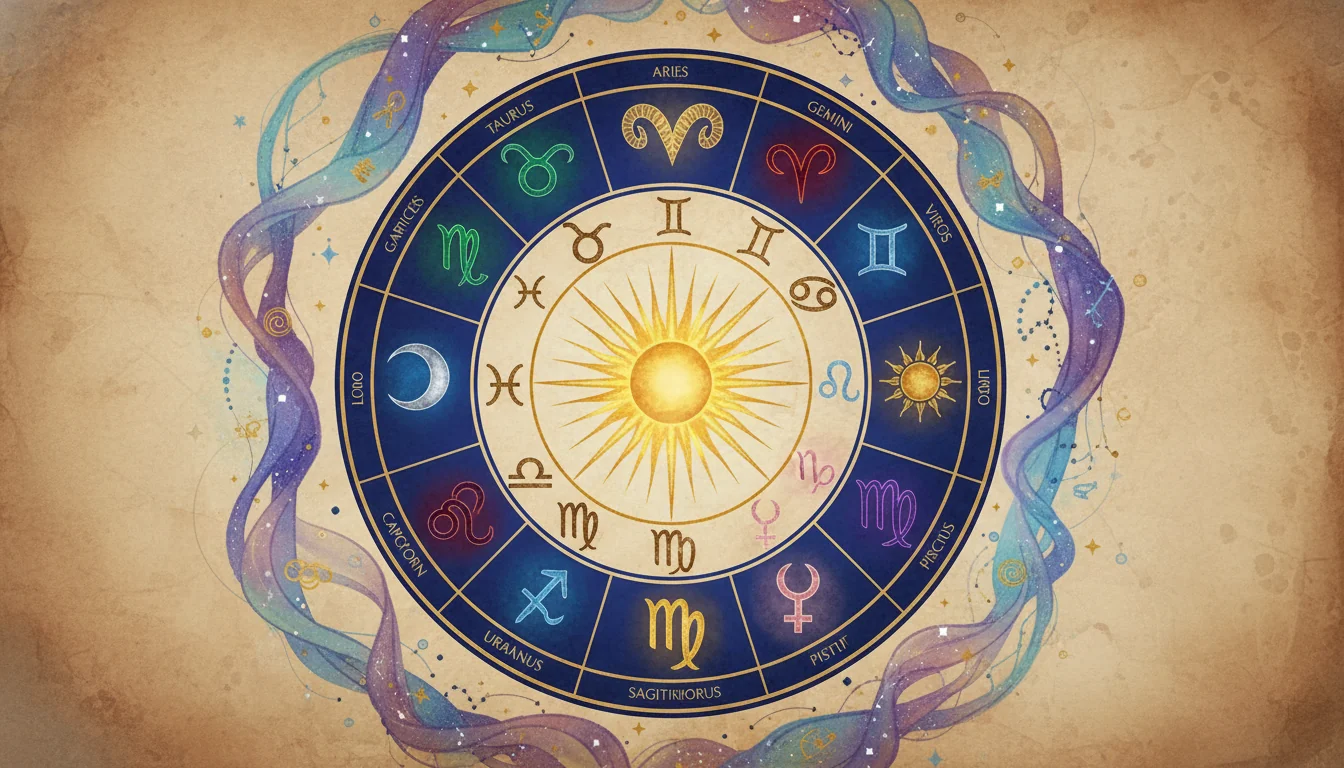
За да разбереш твоята натална карта, е важно да познаваш основните ѝ елементи. Тези компоненти си взаимодействат, за да създадат детайлна и неповторима картина на твоята личност и житейски път. Ето кои са главните от тях:
В астрологията терминът „планети“ включва Слънцето, Луната и седемте класически планети – Меркурий, Венера, Марс, Юпитер, Сатурн, Уран, Нептун и Плутон. Всяка планета олицетворява конкретна психологическа функция, енергия или стремеж в нашата личност.
Разположението на тези планети в конкретни зодиакални знаци и домове придава допълнителна дълбочина на техните значения. Повече за значенията на планетите можеш да прочетеш в "Планетите в наталната карта: Основни значения".
Зодиакът представлява кръг от 360 градуса, разделен на 12 равни сектора по 30 градуса. Всеки от тези сектори носи името на зодиакален знак. Тези знаци – Овен, Телец, Близнаци, Рак, Лъв, Дева, Везни, Скорпион, Стрелец, Козирог, Водолей и Риби – олицетворяват различни архетипи на енергия и поведение. Когато дадена планета е разположена в определен знак, тя изразява своята енергия през характеристиките на този знак.
Всяка планета в твоя знак придава специфичен нюанс на нейната функция. Например, Марс в Овен е много по-директен и импулсивен, отколкото Марс в Рак, който може да действа по-предпазливо и емоционално. Задълбочена информация ще намериш в "Зодиакалните знаци: Характеристики и влияния".
Наталната карта е разделена на 12 сектора, които наричаме домове. Тези домове представляват различни области от живота – от личността и финансите до семейството, кариерата и духовността. Позицията на планетите в определени домове показва кои сфери от живота ще бъдат най-активни и значими за теб.
Домовете са много важни за разбирането на контекста, в който се проявяват планетарните енергии. Можеш да научиш повече за тях в "Домовете в наталната карта: Области на живота".
Аспектите са ъглови връзки между планетите в твоята натална карта. Те показват как различните части от твоята личност си взаимодействат – дали хармонично, или напрегнато. Основните аспекти включват:
Разбирането на аспектите е ключово за цялостното тълкуване на наталната карта, тъй като те разкриват динамиката между различните планетарни влияния. Те са част от по-широкия контекст на "Астрологични символи и език: Ключови елементи".
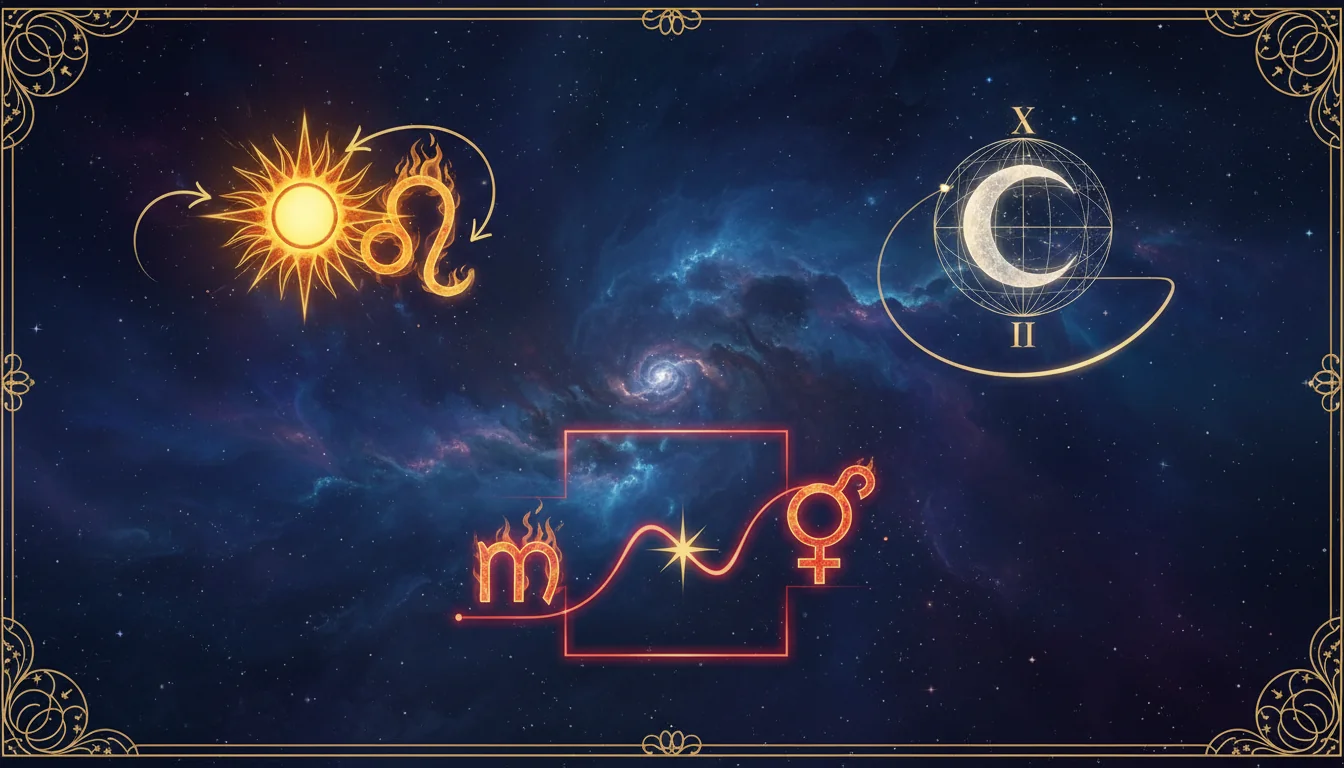
Тълкуването на натална карта прилича на сглобяване на пъзел. Всяка част има свое значение, но цялостната картина се разкрива едва когато ги събереш. Ето основните стъпки, за да разбереш твоята карта:
Асцендентът е зодиакалният знак, който се е издигал на източния хоризонт в момента на твоето раждане. Той показва твоята външност, как те възприемат околните, първоначалната ти реакция към света и физическия ти облик. Често астролозите започват именно с Асцендента, защото той определя общия тон на цялата карта и управлява Първи дом.
Твоето Слънце показва същността и целта ти, докато Луната разкрива емоционалните ти нужди и вътрешния ти свят. Комбинацията от Слънце и Луна дава добра представа за вътрешната ти динамика. Например, ако си Овен по Слънце (смел, импулсивен) и имаш Луна в Рак (емоционален, грижовен), носиш вътрешен конфликт между нуждата от действие и нуждата от емоционална сигурност.
За всяка планета в твоята карта си задай следните въпроси:
Например, Меркурий в Близнаци в Трети дом ще означава изключително силна комуникативна енергия, свързана с учене, писане и близки контакти. Меркурий в Козирог в Десети дом ще показва методична и амбициозна комуникация, насочена към кариера и постижения.
Обърни внимание на основните аспекти между планетите. Тригоните и секстилите често показват области, в които имаш естествени таланти и лекота. Квадратите и опозициите могат да бъдат предизвикателства, конфликти и сфери, които изискват повече работа и осъзнаване от теб. Въпреки че квадратите могат да са трудни, те са и двигател за растеж и промяна.
Ако три или повече планети са разположени в един и същи знак или дом, това се нарича стелиум. Тази група планети ще има много силно влияние върху твоята личност и определени области от живота ти. Енергията на знака или дома, в който се намира стелиумът, ще бъде особено подчертана.
Освен планетите, има и други важни точки в наталната карта, като:
Най-важната стъпка е да свържеш всички тези елементи. Не гледай планетите, знаците, домовете и аспектите изолирано. Как една планета в знак в дом взаимодейства с друга планета чрез аспект? Например, ако имаш Слънце в Лъв (креативност, изява) в Пети дом (творчество, романтика) и то е в тригон с Юпитер в Стрелец (експанзия, вяра) в Девети дом (висше знание, пътешествия), това показва голям потенциал за артистична изява, свързана с пътешествия, преподаване или публикуване, подкрепена от оптимизъм и късмет.
Наталната карта не е само теоретичен инструмент; тя намира реално приложение в ежедневието.
Разбирането на твоите вродени таланти и предизвикателства ти позволява да работиш целенасочено върху себе си. Ако знаеш, че имаш напрегнат аспект между Марс и Сатурн, който може да те прави склонен към фрустрация или трудности при проявяване на енергията, можеш да търсиш начини да канализираш тази енергия конструктивно – чрез спорт, дисциплинирани проекти или физическа активност. Ако картата ти показва силна нужда от сигурност (Луна в Рак в Четвърти дом), можеш да се стремиш да създадеш стабилна домашна среда.
Наталната карта предлага ценни насоки за подходяща кариера. Десети дом и планетите в него, както и Асцендентът и неговият управител, често разкриват професионалния път. Например, човек със Слънце в Дева в Десети дом може да се чувства най-реализиран в професии, изискващи прецизност, анализ и обслужване, като счетоводство, медицина или инженерство. Астрологията допълва информацията от "Бизнес хороскоп: Стратегии за успех в кариерата и бизнеса".
Чрез анализиране на Седми дом (партньорства) и планетите в него, както и Венера и Марс, можеш да разбереш какви качества търсиш в партньорите си и какви са потенциалните динамики във връзките ти. Когато се сравнят две натални карти (синастрия), можеш да видиш как енергиите на двама души си взаимодействат, което помага за по-добро разбиране и разрешаване на конфликти.
Разбирането на тези елементи е само първата стъпка. Наталната карта е сложен и многопластов инструмент. Тя може да се използва и за по-специфични анализи, като например детски хороскоп, за да се разберат нуждите и талантите на детето още от ранна възраст.
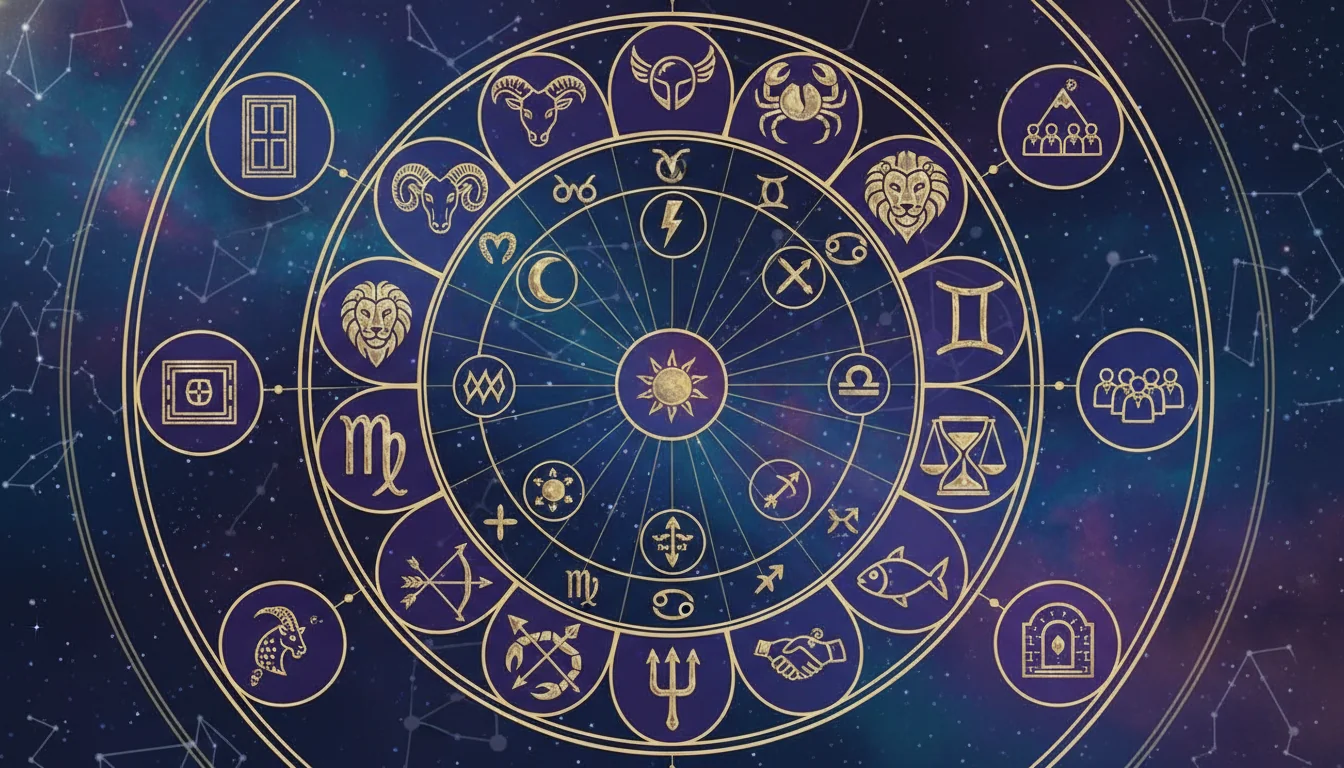
Ето обобщена таблица на основните зодиакални знаци и техните ключови характеристики, която може да ти помогне при първоначалното тълкуване:
| Зодиакален знак | Символ | Качество | Стихия | Управляваща планета | Ключови характеристики |
|---|---|---|---|---|---|
| Овен | ♈ | Кардинален | Огън | Марс | Смелост, инициатива, енергия, импулсивност, лидерство |
| Телец | ♉ | Фиксиран | Земя | Венера | Стабилност, упоритост, сетивост, търпение, практичност |
| Близнаци | ♊ | Променлив | Въздух | Меркурий | Комуникативност, любопитство, гъвкавост, адаптивност, интелект |
| Рак | ♋ | Кардинален | Вода | Луна | Емоционалност, грижовност, интуиция, семейна ориентация, сигурност |
| Лъв | ♌ | Фиксиран | Огън | Слънце | Креативност, самоувереност, щедрост, артистичност, жизненост |
| Дева | ♍ | Променлив | Земя | Меркурий | Аналитичност, практичност, прецизност, услужливост, внимание към детайла |
| Везни | ♎ | Кардинален | Въздух | Венера | Хармония, дипломация, справедливост, партньорство, естетика |
| Скорпион | ♏ | Фиксиран | Вода | Плутон (традиционно Марс) | Интензивност, страст, трансформация, мистерия, сила |
| Стрелец | ♐ | Променлив | Огън | Юпитер | Оптимизъм, приключенско, търсене на истината, експанзия, философия |
| Козирог | ♑ | Кардинален | Земя | Сатурн | Амбиция, дисциплина, отговорност, практичност, структура |
| Водолей | ♒ | Фиксиран | Въздух | Уран (традиционно Сатурн) | Оригиналност, независимост, хуманизъм, иновации, нестандартност |
| Риби | ♓ | Променлив | Вода | Нептун (традиционно Юпитер) | Състрадание, интуиция, артистичност, духовност, мечтателност |
Също така, ето таблица с основните астрологични аспекти и тяхното значение:
| Аспект | Ъгъл | Тип | Описание |
|---|---|---|---|
| Конюнкция | 0° | Хармоничен/Напрегнат | Сливане на енергиите, усилване, често без ясна граница между планетите. Може да е както много положителен, така и конфликтен. |
| Секстил | 60° | Хармоничен | Създава възможности, потенциал за сътрудничество, изисква осъзнато усилие за реализация, но води до леко и благоприятно взаимодействие. |
| Квадрат | 90° | Напрегнат | Създава напрежение, конфликт, предизвикателства. Изисква действие, преодоляване на препятствия и води до развитие. Често е двигател на промяната. |
| Тригон | 120° | Хармоничен | Естествен поток на енергия, хармония, лекота, талант. Често се възприема като "дарба" или естествена способност. |
| Опозиция | 180° | Напрегнат | Създава осъзнаване на противоположности, нужда от баланс, напрежение между две точки. Често води до проекция или осъзнаване чрез взаимодействие с другите. |
Дори напрегнатите аспекти имат своята стойност, защото те ни подтикват към растеж и развитие. Можеш да ги приемеш като "будилник", който ти напомня, че имаш нужда от промяна. Не забравяй, че наталната карта е само карта, а ти си капитанът на своя кораб. Инструментите за гадаене, като Таро, могат да ти предложат допълнителна перспектива, но винаги е добре да подхождаш към тях с критично мислене и да търсиш как да използваме получения чрез гадаене съвет за личностно израстване.
В наталната карта най-важните елементи обикновено са Асцендентът, Слънцето и Луната. Те описват основните аспекти на личността ти: как те възприемат другите (Асцендент), какъв си по същност (Слънце) и какви са емоционалните ти нужди (Луна). Разположението на управителя на Асцендента също е ключово.
Наталната карта не е предназначена да предсказва бъдещето с конкретни събития. Тя по-скоро разкрива твоите потенциали, склонности, силни и слаби страни. Астрологията използва транзити и прогресии, за да покаже текущите енергийни влияния и как те биха могли да повлияят на живота ти, но крайният избор и реакция винаги остават твои.
За да се изчисли наталната карта прецизно, особено Асцендентът и домовете, времето на раждане трябва да е възможно най-точно. Дори разлика от няколко минути може да измести Асцендента и домовете, променяйки тълкуването. Затова е препоръчително да използваш акт за раждане или информация от родителите си.
Ако имаш три или повече планети в един знак, това се нарича стелиум. Тази група планети ще доминира, поставяйки силен акцент върху характеристиките на този знак в твоята личност и житейски път. Енергията на знака ще бъде много ясно изразена.
Астрологията и нумерологията са две различни, но често допълващи се езотерични системи. Астрологията се фокусира върху небесните тела и тяхното влияние, докато нумерологията изследва значението на числата и техните вибрации. И двете могат да ти дадат ценна информация за личността и съдбата, например "Какво е нумерология и нейните основни принципи" и "Нумерологичен анализ на името: Енергията на буквите". Числото на живота е нумерологична концепция, която може да се разглежда успоредно с астрологичните анализи.
Да, наталната карта може да ти даде ценни насоки за кариерния път. Десети дом, планетите в него, както и Асцендентът и неговият управител, често показват области на талант и потенциални професионални направления. Тя може да разкрие кои дейности ще ти носят най-голямо удовлетворение и успех.
Транзитите са текущите позиции на планетите в небето, разглеждани спрямо позициите им в твоята натална карта. Те показват как настоящите небесни влияния взаимодействат с твоята лична карта и какви теми или предизвикателства могат да се активират в определени периоди от живота ти. Това е начин да разбереш "сегашното" време в контекста на твоята карта.
Кармичните уроци често се свързват с позицията на Южния възел (който показва минали опитности и тенденции, от които трябва да се отдалечиш) и Северния възел (който указва твоята бъдеща посока и уроци, които трябва да научиш). Също така, планетата Сатурн, нейните аспекти и домът, в който се намира, често разкриват области, където имаш кармични задължения или уроци за усвояване.
Наталната карта е ценен инструмент за самопознание, предлаган от астрологията. Тя представлява уникален отпечатък на небето в момента на твоето раждане, който разкрива важни аспекти на твоята личност, потенциал и житейски път. Разбирането на основните елементи – планети, зодиакални знаци, домове и аспекти – е ключът към осмислянето на информацията, която тя съдържа.
Въпреки че в началото може да ти се стори сложно, всяка стъпка в тълкуването – от идентифицирането на Асцендента до анализирането на планетарните взаимодействия – те приближава до по-дълбоко разбиране на самия себе си. Използвай картата си като компас, който ти помага да навигираш през предизвикателствата и да откриваш нови възможности. Тя не е присъда, а по-скоро карта, която ти показва терена, по който ще вървиш.
Помни, че астрологията, включително тълкуването на наталната карта, е процес на непрекъснато учене и откриване. Тя предлага рамка за разбиране на човешката психология и универсалните енергии, но винаги оставя място за свободната воля и личния избор. В крайна сметка, целта е да използваш тази информация, за да живееш по-осъзнато и пълноценно.
Ако се интересуваш от по-задълбочено разбиране на различни аспекти на астрологията и езотеричните практики, можеш да разгледаш и други ресурси, като например "Различни типове хороскопи и тяхното приложение", за да видиш как наталната карта се вписва в по-широкия спектър от астрологични инструменти. Освен това, техники като Таро разкладите или нумерологията могат да предложат допълнителни гледни точки за твоето личностно развитие.
Астрологията е инструмент за самопознание и размисъл, а не точна наука. Информацията в тази статия е с образователна цел и не трябва да замества професионален съвет. Всеки човек е уникален и астрологичните интерпретации са общи насоки, а не абсолютни истини.
Редакционен екип на Vrachka.eu
Съдържанието в Космическата Библиотека се създава от редакционния екип: AI асистира с проучване и чернова, а всеки материал се преглежда и редактира за точност спрямо традиционни астрологични източници. Не публикуваме непроверено AI съдържание.
Какво ти предстои тази година?
Соларно завръщане, профекции, ключови дати и месечна прогноза за цялата 2026.
Сигурно плащане · не резонира ли с теб - връщаме парите до 14 дни
Разгледай останалите ръководства или изследвай астрология.
Разгледай още ръководства от категория Гидове
Накратко Врачуването е древно изкуство, което използва различни методи за получаване на информация и прозрения за миналото, настоящето и бъдещето. От интуитивни практики като ясновидство и медиумство

Историята на врачуването е дълга и сложна, преплитаща се с развитието на човешките цивилизации. От древни ритуали до съвременни практики, стремежът към разбиране на невидимото и търсене на отговори ви...

Синастрията е мощен астрологичен метод за анализ на взаимоотношенията между двама души, чрез сравняване на техните натални карти. Тя разкрива хармоничните и конфликтните точки в една връзка, като пома