The Planets in Astrology - An Overview
Astrology, this ancient wisdom that explores the connection between celestial bodies and human destiny, views the planets as the primary drivers of our lives. They are not merely distant luminaries, but powerful archetypal energies that manifest in our consciousness, subconscious, and physical world. Each planet carries a unique imprint, its own vibration and message, which shape our individuality, motivate our actions, and determine our experiences. At the core of every horoscope chart stand the seven classical planets (the Sun, the Moon, Mercury, Venus, Mars, Jupiter, and Saturn), which together with the zodiac signs and astrological houses, create the complex and simultaneously intriguing picture of the human soul.
Key Takeaways
Planets in astrology are not just celestial bodies, but archetypal energies that form our personality, motivation, and experiences. The seven classical planets – Sun, Moon, Mercury, Venus, Mars, Jupiter, and Saturn – each with its unique imprint, are the foundation of the horoscope. Understanding their meanings and interactions in the natal chart reveals deep information about oneself, helps in realizing strengths and challenges, and leads to a more fulfilling life.
Understanding the role of each planet is like discovering a treasure trove of information about oneself and the world around us. The Sun, for example, tells us about our core identity, vitality, and purpose. The Moon reflects our emotional needs, instincts, and inner world. Mercury is the messenger of thought, communication, and the mind. Venus guides us toward love, harmony, and values. Mars is the embodiment of energy, action, and passion. Jupiter gifts us with growth, luck, and optimism, while Saturn teaches us discipline, responsibility, and boundaries. These seven planets, each with its unique characteristics, dance in our horoscope, creating dynamic interactions that move us forward, challenge us, and help us grow.
In this extensive article, we will dive deep into the world of planets in astrology. We will examine their core meanings, how they manifest in a horoscope chart, and how we can use this knowledge for deeper self-awareness and for navigating the labyrinth of life. We will trace the path from the Sun, the source of light and life, to Saturn, the teacher of wisdom and structure. We will explore how their positions and aspects influence our personality, relationships, career, and overall well-being. Prepare for a journey through the inner and outer universe, where celestial bodies reveal the secrets of the human experience.
General Overview of Planetary Energies
In astrology, planets are much more than celestial bodies orbiting the Sun. They are living, breathing energy centers that radiate specific vibrations and influences on human life. Each planet rules certain spheres of our existence, shaping our personality, our motives, the way we communicate, love, act, and evolve. The classical seven planets – the Sun, the Moon, Mercury, Venus, Mars, Jupiter, and Saturn – are the foundation of every horoscope chart and represent the primary archetypal forces that drive our inner and outer world.
The Sun is the heart of our horoscope chart, symbolizing our essence, ego, life force, and core identity. It gives us a sense of purpose and direction. The Moon, on the other hand, reflects our emotional world, instincts, security needs, and subconscious reactions. It is associated with motherhood, home, and our deep, often unconscious, responses. Mercury is the planet of communication, thought, mind, logic, and travel. It determines how we perceive information, how we process it, and how we express it.
Venus leads us into the realm of love, relationships, harmony, beauty, art, and our values. It determines what we like, what attracts us, and how we express affection. Mars is the planet of action, energy, aggression, passion, and desire. It shows how we fight, how we pursue our goals, and how we express our will. Jupiter is the planet of luck, growth, expansion, optimism, and wisdom. It points us toward opportunities for development, the search for meaning, and our philosophical beliefs. Saturn, on the other hand, represents boundaries, limitations, discipline, responsibility, structure, and karma. It teaches us patience, endurance, and the building of long-lasting foundations.
These seven planets do not act in isolation. In the horoscope chart, they form complex relationships with each other through aspects (angles between planets). These aspects can be harmonious (trines, sextiles) or tense (squares, oppositions), or they may reinforce one another (conjunctions). The dynamics between the planets, their position in the zodiac signs and astrological houses, create the unique energy profile of every person. Understanding these planetary influences allows us to realize our strengths, work on challenges, and direct our energy in the most constructive way, achieving a more fulfilling and conscious life.
Core Concepts: How Planets Shape Our Reality
At the heart of astrology lies the understanding that celestial bodies, especially planets, are not just physical objects but sources of energy and information that exert a profound influence on our lives. These planetary energies manifest in various aspects of our personality, behavior, and life experience. Each planet represents a specific archetype – a universal pattern of thinking, feeling, or acting that resonates in the collective and individual consciousness. Examining the planets in astrology gives us a key to understanding our deepest motivations, strongest desires, and greatest challenges.
Archetypal Energies: Each planet is like a separate "voice" in the symphony of our soul. The Sun speaks of our conscious Self, our individuality, and life force. The Moon whispers of our emotional needs, instincts, and subconscious reactions. Mercury is the swift messenger who rules the mind, communication, and the way we perceive the world. Venus is the goddess of love who guides us toward harmony, beauty, and relationships. Mars is the warrior who gifts us with energy, passion, and the will to act. Jupiter is the sage and benefactor who grants us growth, luck, and optimism. Saturn is the strict teacher who instructs us in discipline, responsibility, and structure.
Position in the Horoscope: The meaning of each planet changes depending on its zodiac sign and the astrological house it occupies at the moment of birth. The zodiac sign "colors" the planet's energy, giving it a specific way of expression. For example, Mercury in Aries will communicate more directly and impulsively, while Mercury in Pisces will be more intuitive and dreamy. The astrological house in which the planet is placed shows the sphere of life where that planet will be most active and influential. A planet in the 1st house (the house of Self) will have a strong influence on personality and appearance, while a planet in the 10th house (the house of career) will exert significant influence on the professional path and social status.
Aspects Between Planets: Planets never act in isolation. They form various angles with each other, called aspects. These aspects are like "connections" or "dialogues" between planetary energies. Harmonious aspects (such as trines and sextiles) usually indicate a smooth flow of energy and easy use of planetary qualities. Tense aspects (such as squares and oppositions) often create conflicts, challenges, and the need for conscious work to integrate opposing energies. Conjunctions, where two planets are close to each other, show a merging of their energies, which can reinforce each other or create complex combinations.
Personal Natal Chart: Every natal chart is a unique imprint of the celestial arrangement at the moment of birth. It shows how the seven planets are positioned relative to the zodiac signs and houses, as well as what aspects they form with each other. Analyzing this chart allows us to understand our individual "planetary symphony" – how different energies work together to form our personality, our talents, our weaknesses, and our life path. Understanding these core concepts is the first step toward using astrology as a tool for self-discovery and personal development.
Subtopics in Brief: A Detailed Look at the Seven Planets
Each of the seven classical planets in astrology carries its own unique meaning and influence, manifesting differently in every person's horoscope. Let's look at each of them in more detail:
The Sun in Astrology
Core Meaning: The Sun is the heart of the horoscope chart. It represents our core identity, ego, life force, consciousness, will, and our primary purpose in life. It gives us a sense of self and directs us toward expressing our individuality.
How it Manifests: The Sun's position in a zodiac sign determines our "sun sign" – the most popular astrological term. This is our basic essence, our inner fire. Its position in an astrological house shows the sphere of life where our personality and vitality will manifest most strongly. The condition of the Sun (the aspects it makes with other planets) reveals how easily or with what difficulty we manage to express ourselves and our will.
Keywords: Self, identity, ego, vitality, consciousness, will, purpose, authority, leadership, creativity, light, warmth.
The Moon in Astrology
Core Meaning: The Moon rules our emotional world, the subconscious, instincts, security needs, habits, and the way we react to the world on an unconscious level. It is associated with motherhood, home, family, and our deep, often hidden, needs.
How it Manifests: The Moon's position in a sign shows what our emotional needs are, how we care for ourselves and others, and what our instinctive reactions are. The Moon in a house reveals the sphere of life where we seek emotional security and where our habits and routines manifest. Aspects to the Moon show how our emotions interact with other aspects of our personality and how we can achieve emotional balance.
Keywords: Emotions, instincts, subconscious, needs, security, habits, mother, home, family, care, sensitivity, intuition.
Mercury in Astrology
Core Meaning: Mercury is the planet of communication, thought, mind, logic, learning, information, travel, and sibling bonds. It determines how we perceive information, how we process it, and how we express it.
How it Manifests: Mercury in a sign shows the style of our thinking and speaking – whether we are analytical, creative, direct, or diplomatic. Its position in a house reveals the sphere of life where we most actively use our mind, where most communication and learning occur. Aspects to Mercury show how our thought and communication interact with other planetary energies, influencing our ability to express ourselves clearly and effectively.
Keywords: Communication, thought, mind, logic, information, learning, writing, speaking, travel, brotherhood, perception, analysis.
Venus in Astrology
Core Meaning: Venus is the planet of love, relationships, harmony, beauty, art, pleasure, money, and our values. It determines what we like, what attracts us, how we express affection, and how we create connections.
How it Manifests: Venus in a sign shows what our aesthetic preferences are, how we seek and express attachment, and what our values are in relationships and finances. Its position in a house points to the sphere of life where we seek harmony, pleasure, and where we build relationships. Aspects to Venus reveal how its energies interact with other planets, influencing our love life, social skills, and financial opportunities.
Keywords: Love, relationships, harmony, beauty, art, pleasure, values, money, attraction, sociality, diplomacy, compromise.
Mars in Astrology
Core Meaning: Mars is the planet of action, energy, aggression, passion, desire, courage, and the will to achieve goals. It shows how we fight, how we pursue what we want, and how we express our energy.
How it Manifests: Mars in a sign determines the style of our energy and aggression – whether we are direct and impulsive, or strategic and patient. Its position in a house points to the sphere of life where we are most active, where we fight for our goals, or where we might encounter conflicts. Aspects to Mars show how our energy and will interact with other planetary forces, influencing our ability to act decisively and overcome obstacles.
Keywords: Action, energy, passion, desire, aggression, courage, strength, struggle, motivation, impulsiveness, decisiveness, sexuality.
Jupiter in Astrology
Core Meaning: Jupiter is the planet of luck, growth, expansion, optimism, wisdom, philosophy, higher knowledge, and travel. It directs us toward opportunities for development, the search for meaning, and our beliefs.
How it Manifests: Jupiter in a sign shows how we seek growth and luck, and what our philosophical views are. Its position in a house reveals the sphere of life where we have the greatest opportunities for expansion, where we can be generous, and where we can find happiness. Aspects to Jupiter show how our drive for growth and optimism interacts with other aspects of our life, helping us expand our horizons.
Keywords: Luck, growth, expansion, optimism, wisdom, philosophy, higher knowledge, faith, travel, generosity, abundance, opportunities.
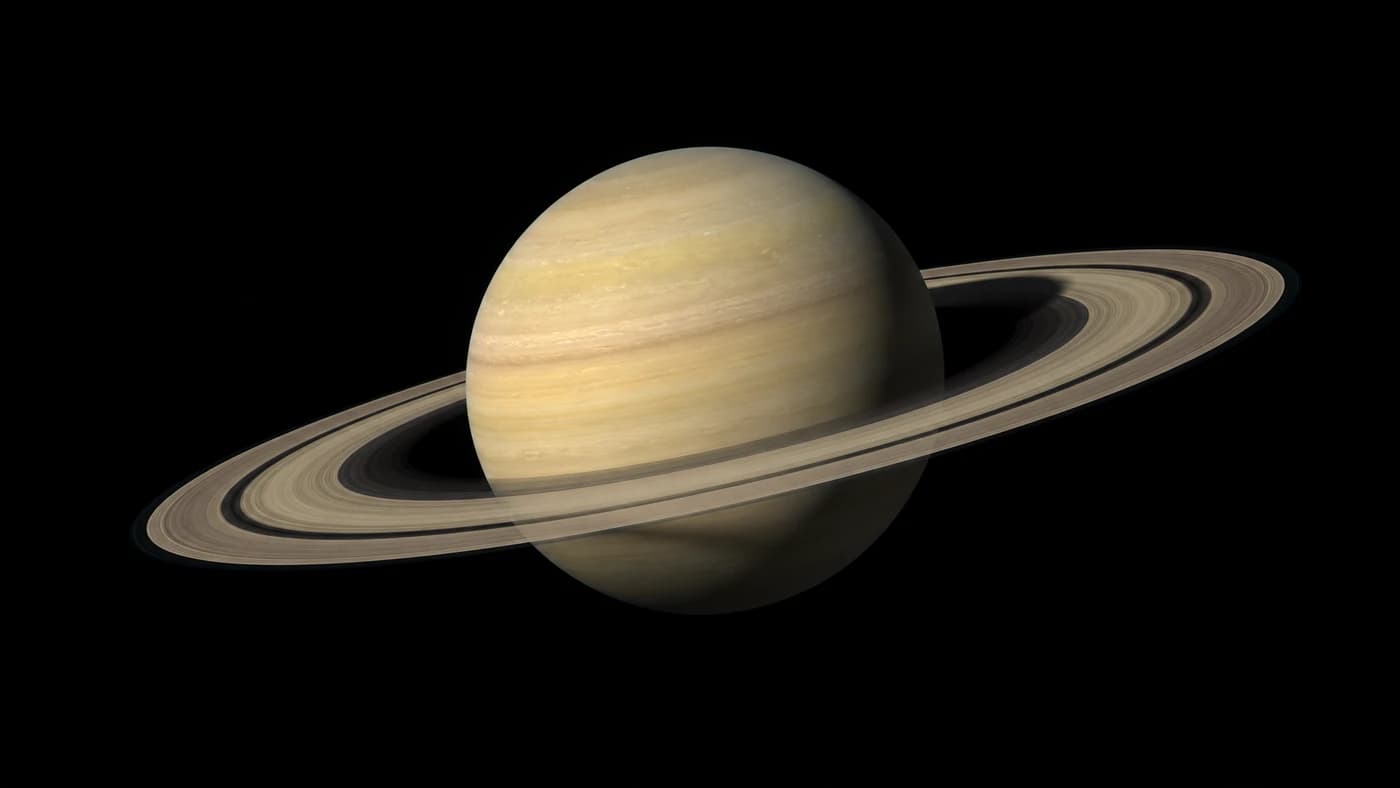
Saturn in Astrology
Core Meaning: Saturn is the planet of boundaries, limitations, discipline, responsibility, structure, karma, time, and maturity. It teaches us patience, endurance, building long-lasting foundations, and accepting the consequences of our actions.
How it Manifests: Saturn in a sign shows what our core fears and limitations are, and how we learn to build structure and discipline. Its position in a house points to the sphere of life where we face the greatest challenges, where we must take responsibility, and where we can achieve long-lasting success through hard work. Aspects to Saturn show how our desires for structure and control interact with other planetary energies, often requiring maturity and patience.
Keywords: Boundaries, limitations, discipline, responsibility, structure, karma, time, maturity, fear, patience, persistence, authority, long-term goals.
Understanding these seven planets is fundamental for anyone who wants to delve into the depths of astrology. They are the basic building blocks of our personality and life experience, and their interaction in our horoscope offers an invaluable map for self-discovery.
Practical Application: How to Use Planetary Knowledge
Knowledge of the planets in astrology is not just of academic interest; it is a powerful tool for self-awareness and personal development. When we understand how planetary energies manifest in our natal chart, we can use this information to navigate through life with greater clarity and purpose. Here are several practical ways to apply this knowledge:
1. Self-Awareness and Acceptance: The first and most important step is to understand what your dominant planetary influences are. If, for example, you have a strongly placed Mars, realizing your energetic and impulsive nature allows you to direct that energy constructively, rather than being a victim of its negative manifestations. If your Moon is in a sign associated with a strong need for security, understanding this need helps you seek ways to satisfy it in a healthy way, rather than experiencing constant anxiety.
2. Understanding Relationships: Astrology can be extremely useful for understanding the dynamics in relationships. When you understand how Venus and Mars manifest in your chart, you can better understand how you seek love and how you express affection. When you understand your Mercury, you can improve your communication with others. Comparing planetary positions with those of a partner, friend, or family member (through synastry) can reveal points of harmony and potential conflict zones, helping to build healthier and more conscious connections.
3. Career Development: The planets, especially the Sun, Mercury, Venus, and Mars, along with the position of the Midheaven (MC) and the 10th house, can provide guidance on suitable career paths. For example, a strongly placed Mercury may point to professions related to communication, writing, or trade. A strong Venus may lead to fields such as art, design, or consulting. Understanding your planetary talents allows you to choose a profession that is in alignment with your essence.
4. Working with Challenges: Every natal chart has its challenges, often represented by tense aspects or planets in difficult positions. Saturn, for example, often brings a sense of limitation or fear. Instead of feeling blocked, you can use astrological knowledge to understand the lesson Saturn is trying to teach you. This could be developing discipline, taking responsibility, or building patience. Working with these planetary energies consciously can turn weaknesses into strengths.
5. Planning and Decision Making: Although astrology does not dictate destiny, it can offer valuable information about the best times to take important actions. Understanding current planetary transits (the movement of planets now relative to your birth chart) can help you determine favorable periods for starting new projects (for example, when Mercury is direct), for seeking love (when Venus is active), or for taking decisive action (when Mars is strong).
Ultimately, the planets in astrology are our companions on the journey of life. By understanding their meanings and how they manifest in our personal natal chart, we receive a map that helps us navigate through the complexity of existence, realize our potential, and live more fully and harmoniously.
Conclusion: The Cosmic Map of Your Soul
Planets in astrology are not just points in space, but living archetypal energies that shape every fiber of our existence. They are the core components of our individuality, our motivations, our relationships, and our life path. Each planet – from the radiant Sun, which gives us identity and vitality, through the emotional Moon, which connects us to our needs and instincts, to the wise Saturn, which teaches us discipline and responsibility – plays its indispensable role in the symphony of our soul.
Viewing the natal chart as a map of our soul, where the planets are key landmarks, allows us to deeply understand ourselves. When we realize how the Sun defines our essence, how Mercury influences the way we think and communicate, how Venus shapes our love preferences and values, and how Mars gives us the energy to pursue our goals, we gain an invaluable tool for self-discovery. Jupiter shows us where we can seek growth and where our luck lies, while Saturn points us toward the areas where we must build structure, take responsibility, and develop patience and endurance.
The power of astrology lies in its ability to illuminate not only our strengths and talents but also our challenges and areas for growth. Tense aspects between planets, for example, are not sentences, but invitations for awareness and transformation. They show us where energies clash and where we have the opportunity to integrate opposing forces, achieving greater wholeness. Understanding planetary interactions allows us to work consciously with these energies, rather than being their passive victims.
Ultimately, the planets in astrology are our companions on the journey toward awareness. They provide us with the language through which to understand the complex threads of our personality and life experience. By studying and applying knowledge of planetary influences – in their signs, houses, and aspects – we are not just reading a horoscope; we are revealing deep truths about ourselves, our potential, and the path we can take. This is a journey of discovery that leads us toward a more fulfilling, conscious, and harmonious life, where the cosmic map of our soul becomes a compass for our existence.
Frequently Asked Questions about the Planets
How many planets are used in astrology?
Traditional astrology uses 7 planets (visible to the naked eye), while modern astrology adds Uranus, Neptune, and Pluto. Some astrologers also include asteroids like Chiron, Ceres, etc.
What are personal and social planets?
Personal planets (Sun, Moon, Mercury, Venus, Mars) show individual traits. Social planets (Jupiter, Saturn) show social roles. Outer planets (Uranus, Neptune, Pluto) represent generational themes.
What does a retrograde planet mean?
Retrograde is an optical illusion where a planet appears to move backward. Astrologically, this turns the energy inward and is a time for re-evaluating the planet's themes.
Which planet is the most important in the chart?
The Sun is central to identity, but there is no "most important" planet. The planet ruling the Ascendant and the one with the most aspects are particularly influential for the individual.
Коментари
Готов за по-дълбоко разбиране?
Разгледай останалите ръководства или изследвай астрология.