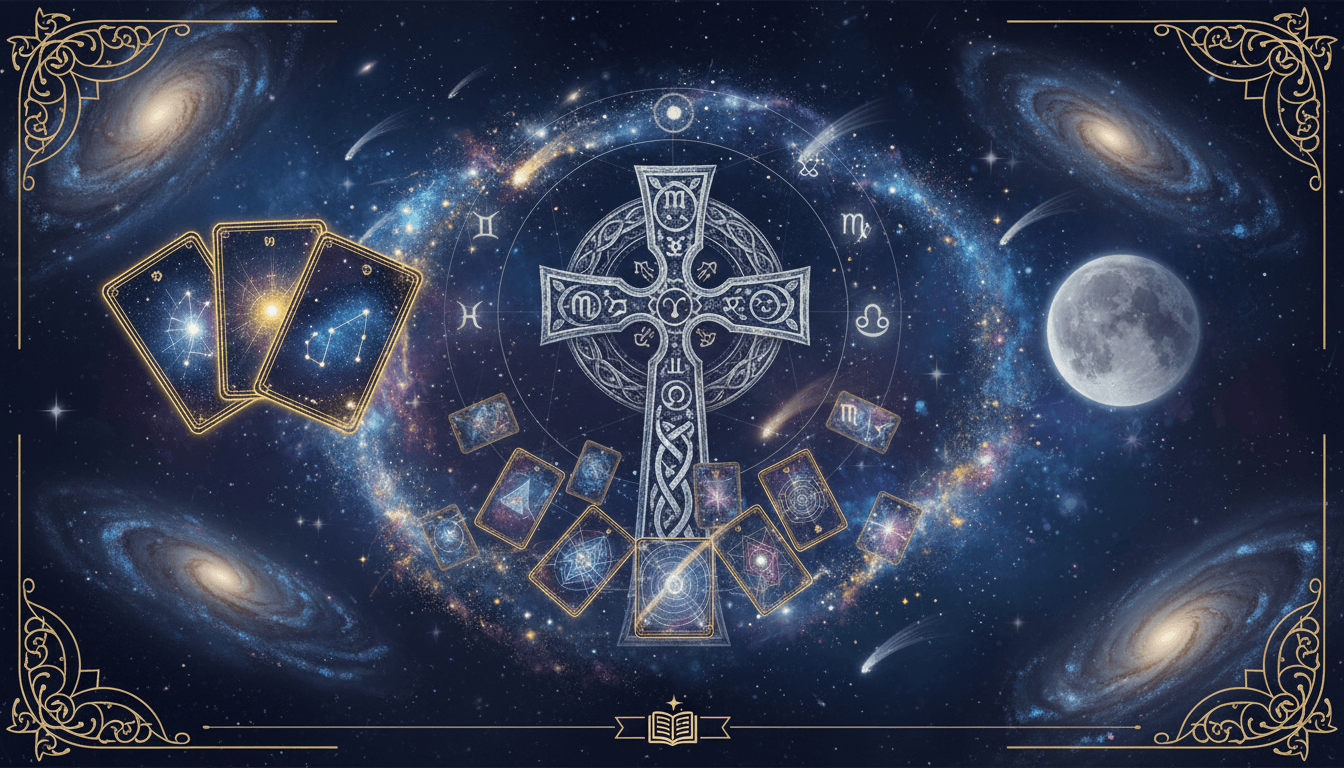
Таро Разклади: От Три Карти до Келтски Кръст
Слушай статията
Аудио версия
TLDR: Открий как да използваш разнообразни Таро разклади – от простия с три карти до по-сложния Келтски кръст – за да получиш ценни отговори. Тази статия разглежда значението на всяка позиция в разклада и те учи как да тълкуваш комбинациите от карти. Ще намериш практични съвети и примери, които ще ти помогнат да усъвършенстваш уменията си в четенето на Таро.
Таро е древно изкуство, което се използва за самопознание, гадаене и духовно развитие. Всяко четене на Таро се основава на разкладите – специфични подредби на картите, които дават насока за нашите мисли, чувства и бъдеще. Докато всяка карта има своето значение, начинът, по който са подредени в разклад, придава контекст и дълбочина на посланието им. Някои разклади са прости и директни, други са сложни и многопластови, разкриващи нюансирани аспекти на дадена ситуация.
Без значение дали тепърва навлизаш в света на Таро или вече си опитен читател, разбирането на различните видове разклади е важно. Всеки разклад е създаден да отговори на конкретни въпроси или да освети определени области от живота – от любов и кариера до личностно израстване. Те служат като връзка между подсъзнанието ни и универсалната мъдрост, която Таро картите символизират.
В тази статия ще разгледаме подробно света на Таро разкладите. Ще започнем с най-основните и ще продължим към по-сложните, обяснявайки значението на всяка позиция и как да интерпретираш картите в тях. Ще обсъдим класически разклади като този от три карти, разклада на любовта, разклада за работен успех и, разбира се, Келтския кръст. Целта ни е да ти дадем необходимите знания и увереност да използваш Таро разкладите като полезен инструмент в търсенето на отговори и насоки.
Да разбираш Таро означава не просто да запаметяваш значението на всяка карта. Включва и способността да виждаш как тези карти си взаимодействат, как се допълват или противоречат една на друга в рамките на конкретен разклад. Тази статия е твоят пътеводител в това пътешествие, предлагайки ясни обяснения, практически съвети и примери, които ще ти помогнат да използваш пълноценно Таро четенето. Нека заедно изследваме какво крият Таро разкладите.
Без значение дали търсиш отговор на конкретен въпрос, искаш да разбереш по-добре себе си или просто се интересуваш от духовно развитие, Таро разкладите предлагат интуитивен начин за навигация в живота. Те са като огледало, което отразява вътрешния ни свят и ни помага да видим неща, които иначе биха останали скрити. Приготви се да разшириш познанията си и да подобриш уменията си в Таро четенето.
Значение на Таро Карти: Пълен Гид за Всичките 78 Карти Голямата Аркана: Пълно Ръководство за 22-те Карти на Съдбата Малката Аркана: Как да Четеш 56-те Карти на Ежедневието Как да Избереш Тесте Таро: Гид за Начинаещи и НапредналиОсновни Понятия при Таро Разкладите
Преди да разгледаме конкретни разклади, е важно да разберем няколко основни концепции, които са в основата на всяко Таро четене. Тези понятия ще ни помогнат да интерпретираме картите и техните позиции по-пълноценно и смислено.
Значението на Позициите в Разклада
Всеки разклад се състои от определен брой позиции, подредени по специфичен начин. Всяка позиция има свое символично значение, което отговаря на конкретен аспект от въпроса или ситуацията, която разглеждаме. Например, в един разклад от три карти:
- Първа позиция често представлява миналото, основата или причината за ситуацията.
- Втора позиция обикновено показва настоящето – текущото състояние, предизвикателствата или възможностите.
- Трета позиция символизира бъдещето, резултата или следващата стъпка.
Колкото по-сложен е разкладът, толкова по-детайлни и специализирани могат да бъдат значенията на позициите. Например, в Келтския кръст, всяка от десетте карти носи специфичен смисъл – от общата ситуация и непосредствените препятствия до надеждите, страховете, външното влияние и крайния изход.
Интерпретация на Картите
Интерпретацията на картите в Таро четенето е многопластов процес. Тя включва:
- Основното значение на картата: Всяка от 78-те карти в едно тесте има свое уникално значение, както в права, така и в обърната позиция. Това е отправната точка за разбиране на посланието. Пълното значение на картите е ключово.
- Позицията в разклада: Както споменахме, позицията дава контекст. Например, Десет меча, която обикновено сигнализира за край или провал, може да означава освобождение от нещо болезнено, когато се появи в позицията на "препятствие" в разклад за нов проект.
- Взаимодействието с други карти: Картите не стоят изолирано. Те си взаимодействат помежду си, създавайки истории и нюанси. Анализирай как картите от Голямата Аркана се отнасят към тези от Малката Аркана, как елементите (огън, вода, въздух, земя) се балансират или конфликтират.
- Интуицията: Таро четенето е диалог между читателя, картите и питащия. Интуицията играе голяма роля в свързването на информацията и предаването на ясно и смислено послание.
Елементи и Зодиакални Знаци в Таро
Разбирането на четирите елемента (Огън, Вода, Въздух, Земя) и връзката им с картите от Малката Аркана е фундаментално. Всяка мастна боя е свързана с елемент, който носи определени характеристики:
- Жезли (Огън): Страст, енергия, действие, творчество, духовност.
- Чаши (Вода): Емоции, взаимоотношения, интуиция, сънища, вътрешен свят.
- Мечове (Въздух): Мисли, комуникация, предизвикателства, конфликти, истина.
- Пентакли (Земя): Материален свят, работа, пари, здраве, практичност.
Също така, познаването на връзката между зодиакалните знаци и картите (особено при Голямата Аркана) може да добави още един слой към интерпретацията. Например, картата на Глупака често се свързва с Овен, а Императрицата – с Телец.
Обърнати Карти
Обърнатите карти могат да бъдат интерпретирани по различни начини:
- Затруднение или забавяне: Енергията на картата е възпрепятствана или се проявява по-трудно.
- Вътрешна перспектива: Енергията на картата се насочва навътре, към самоанализ или интроспекция.
- Отрицание или съпротива: Питащият отрича или се съпротивлява на посланието на картата.
- Обратното значение: Понякога обърнатата карта просто представлява обратното на нейното право значение.
Важно е да подхождаш към обърнатите карти с гъвкавост и да се доверяваш на интуицията си при тяхната интерпретация. Не всички читатели използват обърнати карти, но те могат да добавят значителна дълбочина.
Разбирането на тези основни понятия е първата стъпка към овладяването на изкуството на Таро разкладите. Те служат като градивни елементи, които ще използваме, за да анализираме конкретните подредби на картите.
Детайлен Анализ на Таро Разклади
Сега, след като разгледахме основните понятия, нека се потопим в детайлния анализ на някои от най-популярните и полезни Таро разклади. Всеки разклад има своята цел и структура, които го правят подходящ за различни видове въпроси.
1. Разклад от Три Карти
Това е най-основният и често използван разклад, идеален за бързи прозрения или когато питащият има ясен, но ограничен въпрос. Той е отличен, ако тепърва започваш с Таро.
Структура:
- Карта 1: Минало/Причина – Какво е довело до настоящата ситуация? Каква е основата?
- Карта 2: Настояще/Предизвикателство – Каква е текущата ситуация? Какви са основните фактори в момента? Какво е предизвикателството?
- Карта 3: Бъдеще/Резултат – Какъв е вероятният резултат, ако нещата продължат както досега? Каква е следващата стъпка?
Интерпретация: Интерпретацията се фокусира върху връзката между трите карти. Как миналото влияе на настоящето? Как настоящата ситуация води до посоченото бъдеще? Търси наратив, който свързва трите карти в последователна история.
2. Разклад на Любовта (Сърдечен Разклад)
Този разклад е специално създаден, за да изследва въпроси, свързани със сърцето – романтични връзки, приятелство, семейни отношения.
Структура (вариант):
- Карта 1: Как питащият се чувства в момента в тази връзка?
- Карта 2: Как другият човек се чувства в тази връзка?
- Карта 3: Каква е динамиката между двамата? Каква е връзката им?
- Карта 4: Какво е основното предизвикателство във връзката?
- Карта 5: Какъв е потенциалният резултат или бъдещето на връзката?
Интерпретация: Фокусирай се върху емоционалното състояние и взаимодействието между двете страни. Картите ще разкрият хармонията, конфликтите, нуждите и потенциала за растеж или разпад на връзката.
3. Разклад за Работен Успех (Кариерен Разклад)
Този разклад е насочен към професионалния живот, кариерата, финансите и целите, свързани с работата.
Структура (вариант):
- Карта 1: Текуща ситуация на работното място/в кариерата.
- Карта 2: Какво е твоето най-голямо предимство или сила в професионален план?
- Карта 3: Какво е основното препятствие или предизвикателство, което трябва да преодолееш?
- Карта 4: Съвет или насока за постигане на успех.
- Карта 5: Вероятен резултат или бъдеще на кариерата ти.
Интерпретация: Анализирай как твоите умения и силните страни могат да помогнат за преодоляване на препятствията. Обърни внимание на съвета, който картите дават, и как той може да повлияе на крайния резултат.
4. Разклад "Да/Не"
Този разклад е опростен вариант, който дава ясен отговор на въпроси, изискващи еднозначен отговор.
Структура:
- Карта 1: Положителен отговор (Да).
- Карта 2: Отрицателен отговор (Не).
- Карта 3: Какво е основното послание или съвет, свързан с отговора?
Интерпретация: Ако преобладаващият брой карти е положителен, отговорът е "Да". Ако е отрицателен – "Не". Третата карта дава допълнителен контекст или съвет, който може да помогне на питащия да вземе решение, дори ако отговорът е еднозначен.
5. Келтски Кръст
Това е един от най-известните и сложни разклади, състоящ се от 10 карти. Той предлага дълбока и всеобхватна картина на дадена ситуация, изследвайки различни аспекти и влияния.
Структура (10 позиции):
- Карта 1: Настояще – Общата ситуация в момента.
- Карта 2: Непосредствено препятствие – Какво стои на пътя на питащия? Какво трябва да бъде преодоляно?
- Карта 3: Основа/Минало – Основата на ситуацията, минали събития, които са я формирали.
- Карта 4: Най-близко минало/Основа – Скорошни събития или влияния, които водят до настоящето.
- Карта 5: Потенциал/Бъдеще – Какво е възможно? Най-добрият възможен резултат.
- Карта 6: Бъдеще/Следваща стъпка – Какво предстои в близко бъдеще? Каква е следващата логична стъпка?
- Карта 7: Питащият – Как питащият гледа на ситуацията? Неговата роля, чувства, подход.
- Карта 8: Външни влияния – Как другите хора или обстоятелства влияят на ситуацията?
- Карта 9: Надежди и страхове – Какви са скритите надежди и страхове на питащия, свързани със ситуацията?
- Карта 10: Краен резултат – Какъв е вероятният изход от ситуацията, като се вземат предвид всички фактори.
Интерпретация: Келтският кръст изисква внимателен анализ. Започни с основните карти (1 и 2), които описват сърцевината на ситуацията. След това разгледай миналото (3 и 4) и бъдещето (5 и 6). Обърни внимание на ролята на питащия (7), външните влияния (8) и вътрешния свят (9). Накрая, синтезирай всичко, за да разбереш крайния резултат (10). Търси връзки между картите, които се намират една срещу друга (например, карта 2 срещу карта 5, карта 3 срещу карта 6) или които споделят елементи.
6. Разклад "Кръст и Шапка"
Този разклад е добър за изследване на конкретен проблем или решение.
Структура:
- Карта 1 (Кръст): Проблемът или предизвикателството.
- Карта 2 (Кръст): Какво е свързано с проблема? Какви са корените му?
- Карта 3 (Кръст): Какво може да се направи по въпроса?
- Карта 4 (Кръст): Какъв е вероятният резултат, ако се предприемат действия?
- Карта 5 (Шапка): Какво е най-важното послание или съвет за питащия?
Интерпретация: Разбери същността на проблема, неговите причини и възможните решения. Картите от кръста дават информация за ситуацията, докато картата от шапката предоставя насока.
Овладяването на тези разклади изисква практика. Не се притеснявай да експериментираш и да адаптираш позициите към конкретния въпрос, ако е необходимо. Важното е да се създаде ясна структура, която да помогне за разкриването на най-смислената информация.
Практически Примери за Таро Разклади
Теорията е важна, но най-добрият начин да научиш как да правиш Таро разклади е чрез практика. Нека разгледаме няколко реални примера, които илюстрират как различните разклади могат да бъдат използвани за отговор на конкретни въпроси.
Пример 1: Разклад от Три Карти за Кариерно Решение
Въпрос: "Трябва ли да приема новата оферта за работа?"
Разклад:
- Карта 1 (Минало/Настояща Работа): Деветка Пентакли
- Карта 2 (Настояще/Новата Оферта): Колесницата
- Карта 3 (Бъдеще/Резултат): Десетка Чаши
Интерпретация:
- Деветка Пентакли (Минало/Настояща Работа): Тази карта показва, че питащият е постигнал значителна независимост, сигурност и удовлетворение в настоящата си работа. Вероятно е достигнал ниво на майсторство и комфорт.
- Колесницата (Настояще/Новата Оферта): Това е силна карта за нова възможност. Тя показва решителност, амбиция, движение напред и победа. Новата оферта вероятно е свързана с голям напредък, предизвикателства, които ще изискват контрол и фокус, но обещава успех.
- Десетка Чаши (Бъдеще/Резултат): Тази карта е изключително позитивна и говори за емоционално удовлетворение, хармония, щастие и изпълнение. В контекста на нова работа, това предполага, че приемането на офертата ще доведе до дългосрочно щастие, баланс и пълно удовлетворение, както в професионален, така и в личен план.
Заключение: Въпреки че настоящата работа е стабилна и удовлетворяваща (Деветка Пентакли), новата оферта (Колесницата) предлага значителен напредък и потенциал за постигане на върховна цел. Крайният резултат (Десетка Чаши) е силно положителен, което предполага, че приемането на новата работа ще доведе до голямо щастие и емоционално изпълнение.
Пример 2: Келтски Кръст за Разбиране на Взаимоотношение
Въпрос: "Каква е динамиката в настоящата ми връзка и какво е бъдещето ѝ?"
Разклад (Избрани карти за илюстрация):
- Карта 1 (Настояще): Луната
- Карта 2 (Препятствие): Петица Мечове
- Карта 7 (Питащият): Четворка Чаши
- Карта 8 (Външни влияния): Деветка Жезли
- Карта 10 (Краен резултат): Слънцето
Интерпретация (фокус върху избрани карти):
- Луната (Настояще): Ситуацията в момента е неясна, изпълнена с несигурност, илюзии и скрити страхове. Може би има неща, които не са казани или осъзнати напълно.
- Петица Мечове (Препятствие): Основното препятствие е конфликт, загуба, горчивина или чувство на поражение. Възможно е да има нездравословна комуникация или враждебност.
- Четворка Чаши (Питащият): Питащият се чувства апатичен, отегчен или разочарован от връзката. Може би пропуска възможности за щастие, защото е фокусиран върху това, което липсва.
- Деветка Жезли (Външни влияния): Външни фактори или натиск (може би от работа, семейство или други отговорности) създават усещане за умора, но и за бдителност и готовност за защита.
- Слънцето (Краен резултат): Въпреки настоящите трудности, крайният резултат е изключително позитивен. Това е карта на радост, успех, жизненост, яснота и щастие. Предполага, че връзката, ако преодолее препятствията, ще разцъфти в нещо много светло и удовлетворяващо.
Заключение: Връзката в момента е изпълнена с несигурност (Луната) и се сблъсква с конфликти (Петица Мечове). Питащият е обезнадежден (Четворка Чаши), а външният натиск добавя още тежест (Деветка Жезли). Въпреки това, посланието на Келтския кръст е, че има голям потенциал за щастие и успех (Слънцето), ако двойката успее да преодолее настоящите предизвикателства и да постигне по-голяма яснота и честност.
Пример 3: Разклад за Любовта за Изясняване на Отношения
Въпрос: "Какво мисли той/тя за мен и каква е нашата връзка?"
Разклад:
- Карта 1 (Как питащият се чувства): Двойка Пентакли
- Карта 2 (Как другият се чувства): Кралица Чаши
- Карта 3 (Динамика): Осмица Чаши
- Карта 4 (Предизвикателство): Десетка Мечове
- Карта 5 (Бъдеще): Рицар Пентакли
Интерпретация:
- Двойка Пентакли (Питащият): Питащият се чувства разколебан, опитва се да балансира различни аспекти от живота си или връзката, може би се чувства несигурен относно бъдещето.
- Кралица Чаши (Другият): Другият човек изпитва дълбоки, емоционални чувства. Той/тя е грижовен, интуитивен и състрадателен, но може би малко затворен в емоциите си.
- Осмица Чаши (Динамика): Динамиката на връзката показва някой, който се отдалечава от нещо, търсейки по-дълбок смисъл или удовлетворение. Може би един от двамата (или и двамата) усеща, че нещо липсва и търси нещо повече.
- Десетка Мечове (Предизвикателство): Това е най-драматичната карта тук. Тя сигнализира за край, разочарование, провал или болезнен край на нещо. Като предизвикателство, тя може да показва, че връзката е достигнала своя предел или че има сериозни проблеми, които заплашват да я разрушат.
- Рицар Пентакли (Бъдеще): Бъдещето, ако се преодолее предизвикателството, е свързано с бавно, но сигурно развитие. Това е карта на постоянство, надеждност и отдаденост. Предполага, че ако връзката оцелее и се работи върху нея, тя може да стане стабилна и дълготрайна.
Заключение: Питащият е несигурен (Двойка Пентакли), докато другият има дълбоки чувства (Кралица Чаши). Въпреки това, има усещане за търсене на нещо повече (Осмица Чаши) и сериозна заплаха от край или провал (Десетка Мечове). Бъдещето обаче предлага възможност за стабилно и бавно развитие (Рицар Пентакли), ако се преодолеят настоящите трудности. Това е сложна ситуация, която изисква внимателно обмисляне и вероятно откровен разговор.
Тези примери показват как различните разклади могат да се използват за отговор на разнообразни въпроси. Ключът е в разбирането на всяка позиция и как картите си взаимодействат, за да създадат цялостна картина.
Таблици и Данни за Таро Разкладите
За да улесним разбирането и прилагането на Таро разкладите, представяме следната информация в табличен вид. Тези таблици обобщават ключови аспекти на най-често използваните разклади.
Таблица 1: Основни Таро Разклади и Техните Приложения
| Име на Разклада | Брой Карти | Основно Приложение | Ключови Позиции (Примери) | Подходящ за: |
|---|---|---|---|---|
| Разклад от Три Карти | 3 | Бързи прозрения, основни въпроси | Минало, Настояще, Бъдеще | Начинаещи, ежедневни въпроси, оценка на ситуация |
| Разклад на Любовта | 5 (вариант) | Взаимоотношения, романтика | Чувства на А, Чувства на Б, Динамика, Предизвикателство, Бъдеще | Любовни въпроси, партньорства |
| Кариерен Разклад | 5 (вариант) | Работа, кариера, финанси | Текуща ситуация, Силни страни, Препятствия, Съвет, Резултат | Професионални цели, търсене на работа, финансови въпроси |
| Разклад "Да/Не" | 3 | Еднозначни отговори на конкретни въпроси | Да, Не, Съвет | Въпроси, изискващи ясен отговор |
| Келтски Кръст | 10 | Дълбока и всеобхватна картина на ситуация | Настояще, Препятствие, Основа, Най-близко минало, Бъдеще (потенциал), Бъдеще (следваща стъпка), Питащият, Външни влияния, Надежди/Страхове, Краен резултат | Сложни ситуации, задълбочен анализ, личностно развитие |
| Разклад "Кръст и Шапка" | 5 | Изследване на конкретен проблем и решение | Проблем, Причини, Действия, Резултат, Съвет | Решаване на проблеми, търсене на пътища за действие |
Таблица 2: Значение на Позициите в Келтския Кръст
| Номер на Позиция | Име на Позицията | Символично Значение |
|---|---|---|
| 1 | Настояще | Сърцето на въпроса, текущата ситуация. |
| 2 | Препятствие | Основното предизвикателство или конфликт, който стои на пътя. |
| 3 | Основа/Минало | Корените на ситуацията, минали събития, които са я формирали. |
| 4 | Най-близко минало | Скорошни събития или влияния, които водят до настоящето. |
| 5 | Бъдеще (Потенциал) | Какво е възможно? Най-добрият възможен резултат. |
| 6 | Бъдеще (Следваща стъпка) | Какво предстои в близко бъдеще? Каква е следващата логична стъпка. |
| 7 | Питащият | Възприятието, ролята, чувствата или подхода на питащия към ситуацията. |
| 8 | Външни влияния | Как другите хора, обстоятелства или средата влияят на ситуацията. |
| 9 | Надежди и Страхове | Скритите желания, очаквания или опасения на питащия. |
| 10 | Краен резултат | Вероятният изход от ситуацията, като се вземат предвид всички фактори. |
Таблица 3: Основни Елементи и Техните Значения в Таро
| Елемент | Свързани Бои (Малка Аркана) | Основни Характеристики | Свързани Зодиакални Знаци (Примери) |
|---|---|---|---|
| Огън | Жезли | Страст, енергия, действие, креативност, воля, вдъхновение. | Овен, Лъв, Стрелец |
| Вода | Чаши | Емоции, интуиция, взаимоотношения, сънища, подсъзнание. | Рак, Скорпион, Риби |
| Въздух | Мечове | Мисъл, комуникация, интелект, истина, конфликти, предизвикателства. | Близнаци, Везни, Водолей |
| Земя | Пентакли | Материя, работа, пари, здраве, сигурност, практичност, растеж. | Телец, Дева, Козирог |
Тези таблици служат като бърз справочник за основните концепции и структури, свързани с Таро разкладите. Те могат да бъдат полезни при избора на подходящ разклад за даден въпрос и при интерпретацията на позициите.
Често Задавани Въпроси (FAQ)
Кой е най-добрият разклад, ако тепърва започваш с Таро?
Най-добрият разклад за начинаещи е Разкладът от Три Карти. Той е прост, лесен за разбиране и позволява да се фокусираш върху основните аспекти на ситуацията – минало, настояще и бъдеще. Това е отличен начин да започнеш с интерпретацията на карти в контекст, без да се чувстваш претоварен от броя на позициите.
Мога ли да задавам въпроси за други хора?
В идеалния случай, Таро четенето трябва да се извършва от самия човек, за когото се отнася въпросът, или поне с негово изрично съгласие. Четенето за друг човек без неговото знание или разрешение се счита за неетично в много Таро традиции. Ако искаш да помогнеш на някого, можеш да му предложиш да направиш четене за него или да го научиш как сам да го направи.
Колко често мога да правя разклад за един и същ въпрос?
Препоръчително е да не правиш разклад за един и същ въпрос повече от веднъж на няколко седмици или месеци, освен ако ситуацията не се е променила драстично. Прекалено честото задаване на един и същ въпрос може да доведе до объркване, фрустрация и неточни отговори, тъй като картите може да започнат да отразяват твоето собствено желание за отговор, а не реалността.
Какво означава, когато една карта се падне обърната?
Обърнатите карти могат да имат няколко значения: енергията на картата е блокирана или се проявява трудно; значението се обръща към вътрешния свят (интроспекция); питащият отрича или се съпротивлява на посланието на картата; или картата просто представлява обратното на нейното право значение. Интерпретацията зависи от контекста на разклада и твоята интуиция.
Келтският кръст винаги ли дава точен резултат?
Таро разкладите, включително Келтския кръст, показват вероятни пътища и тенденции, базирани на текущата енергия и взети решения. Те не предсказват абсолютно фиксирано бъдеще. Крайният резултат (Карта 10 в Келтския кръст) може да се промени в зависимост от действията и изборите, които питащият прави след четенето. Таро е инструмент за прозрение и насока, а не за предопределеност.
Как да интерпретирам комбинации от карти?
Интерпретацията на комбинации е ключова. Търси връзки: как картата на настоящето влияе на бъдещето? Как картата на препятствието се свързва с картата на питащия? Обърни внимание на повтарящи се елементи, числа или бои. Например, няколко карти с Мечове могат да показват период на интензивни мисли или конфликти, докато няколко карти с Чаши насочват към емоционални теми.
Каква е разликата между Голямата и Малката Аркана в разклад?
Картите от Голямата Аркана (22 карти) обикновено представляват по-големи житейски уроци, духовни теми, основни архетипи и значими събития. Картите от Малката Аркана (56 карти) често показват ежедневните събития, конкретни ситуации, мисли, чувства и действия. В един разклад, комбинацията от двете дава пълна картина – големите теми и как те се проявяват в ежедневието.
Трябва ли да имам специално тесте Таро?
Не е задължително да имаш специално тесте. Много начинаещи започват с класическото Rider-Waite-Smith тесте или негови варианти, тъй като изображенията са богати на символика и улесняват ученето. Важното е да избереш тесте, което ти резонира и с което се чувстваш свързан. Изборът на тесте е личен процес.
Заключение
Таро разкладите са ценен инструмент за самопознание, насока и разбиране на света около нас. От елементарния разклад от три карти, който предлага бърз поглед към миналото, настоящето и бъдещето, до сложния и всеобхватен Келтски кръст, който разкрива ситуации в дълбочина, всеки разклад има своята уникална цел и стойност. Овладяването им изисква много повече от механично наизустяване на значения. Нужно е да развиеш интуицията си и умението да свързваш детайлите, за да разказваш смислени истории чрез символиката на картите.
Разбирането на значението на всяка позиция в разклада е също толкова важно, колкото и познаването на самите карти. Позициите придават контекст и насочват интерпретацията, позволявайки да видим как универсалните архетипи и енергии се проявяват в конкретния житейски сценарий на питащия. Без значение дали става въпрос за любов, кариера, лични предизвикателства или духовни търсения, правилният разклад може да предложи яснота и ценни прозрения.
Практиката е ключът към успеха. Колкото повече разклади правиш, толкова по-уверен и умел ще ставаш в интерпретацията. Не се страхувай да експериментираш, да задаваш различни въпроси и да наблюдаваш как картите отговарят. Помни, че Таро не е фиксирана прогноза за бъдещето, а по-скоро огледало на текущите енергии и потенциални пътища. То ти дава информация, за да можеш да правиш информирани избори и да направляваш съдбата си.
Този пътеводител обхваща основите на най-популярните Таро разклади, от прости до сложни. Надяваме се, че информацията, практическите примери и таблиците ще ти послужат като ценен ресурс в твоето Таро пътешествие. Без значение дали тепърва започваш или си опитен читател, разбирането на Таро разкладите е съществена част от пълното овладяване на това древно изкуство.
Продължавай да учиш, да практикуваш и най-важното – да се доверяваш на интуицията си. Светът на Таро е безкрайно богат и предлага безброй възможности за открития. Не забравяй да изследваш и значението на самите карти, тъй като те са градивните елементи на всеки разклад. Пълният гид за значението на всички 78 карти е следващата логична стъпка в твоето обучение.
Нека твоите Таро разклади винаги носят яснота, мъдрост и насока!
Важна информация
Астрологията е инструмент за самопознание и размисъл, а не точна наука. Информацията в тази статия е с образователна цел и не трябва да замества професионален съвет.
Коментари
Свързани ръководства
Разгледай още ръководства от категория Ръководства
Таро разклади за начинаещи: Един въпрос, три карти
Резюме Този наръчник е създаден за начинаещи в света на Таро, като се фокусира върху простия, но мощен трикартов разклад "Един въпрос, три карти". Ще научите как да…

Таро разклади за начинаещи: Един въпрос, три карти
Трикартовият разклад "Един въпрос, три карти" е идеален за начинаещи в Таро, предлагайки бързи и ясни отговори на конкретни въпроси. Той разбива информацията на три…

Как да изберем първите си Таро карти
Изборът на първите Таро карти е важна първа стъпка в пътешествието към себепознанието и интуицията. Тази статия ще ви преведе през ключовите аспекти, които да вземете…