Baba Vanga: Biography and Prophecies
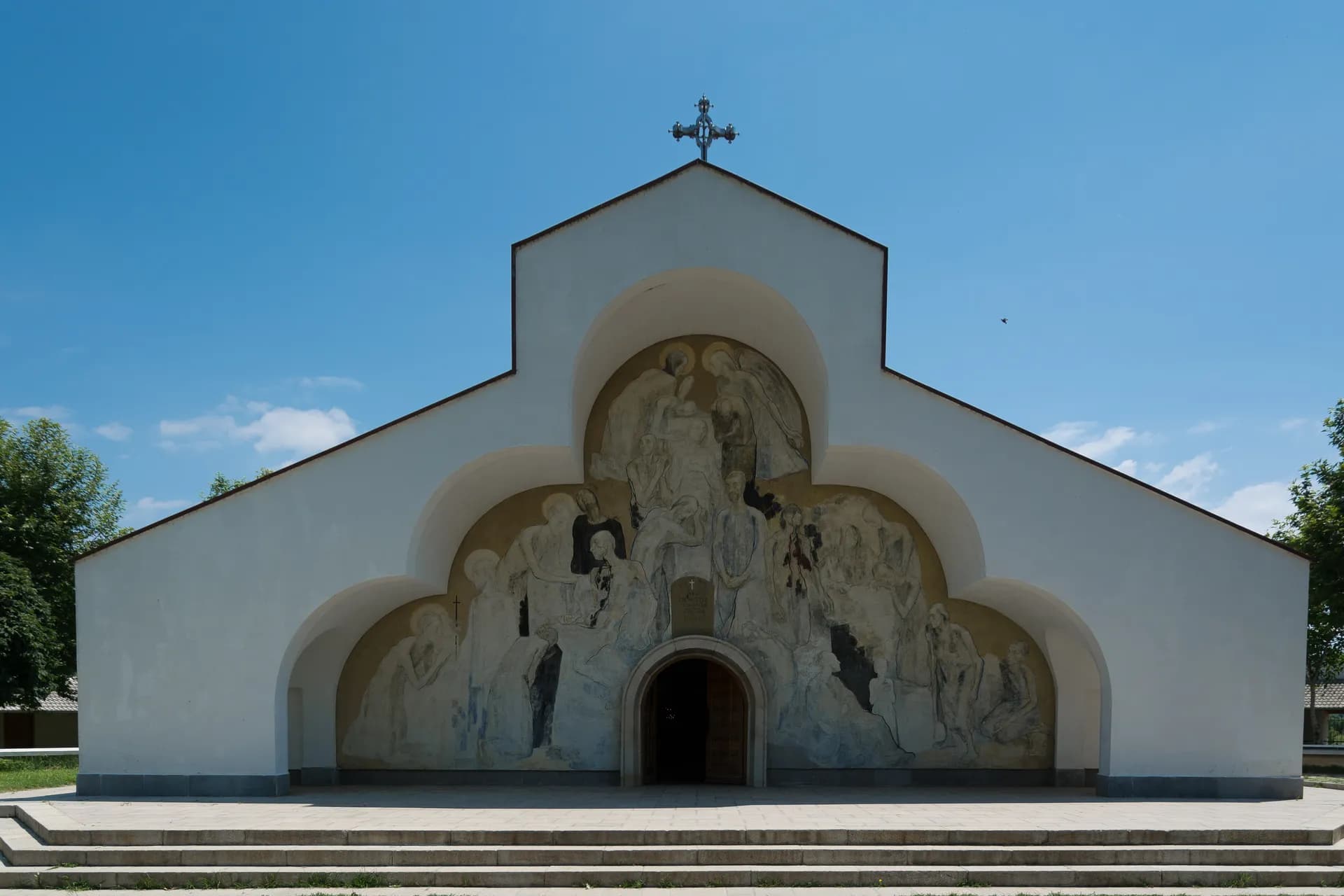
Baba Vanga (Vangelia Pandeva Gushterova, 1911-1996) was a blind Bulgarian woman who became widely known as a clairvoyant. Born in Strumica, she lived most of her life in Petrich and, in her later years, received visitors in the village of Rupite, where the “St. Petka” church was built in 1994.
Updated on
| Born | 1911, Strumica |
|---|---|
| Lost her sight | after a storm |
| Lived in | Petrich and Rupite |
| Died | 11 August 1996; buried at Rupite |
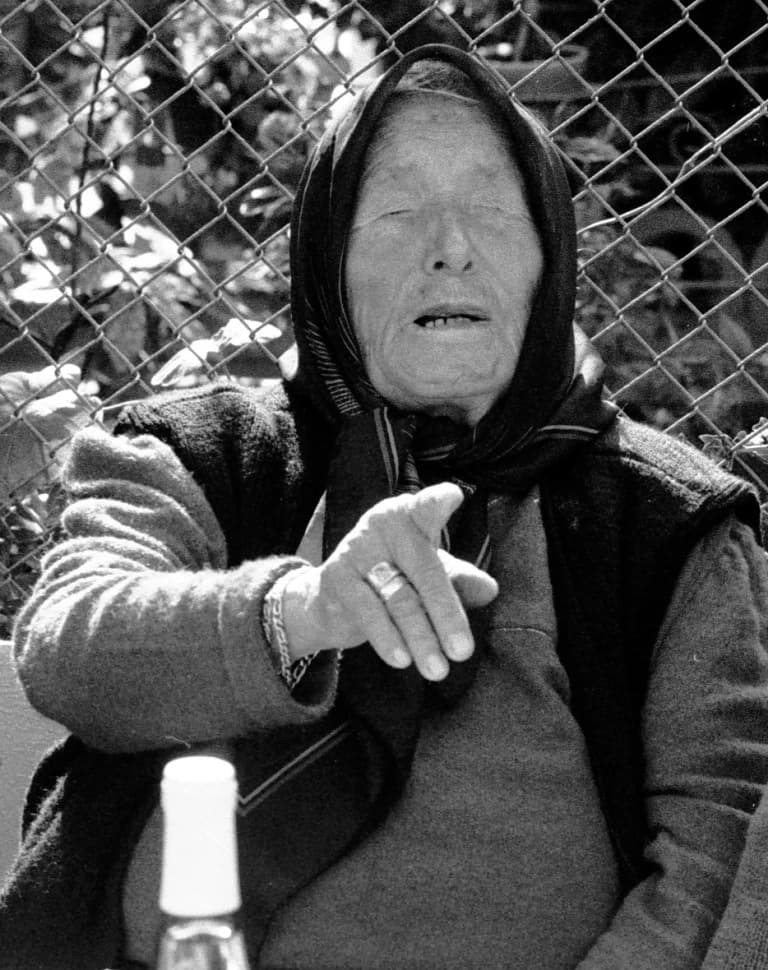
1911-1996
The Life of Vangelia Gushterova
- 1911
Born Vangelia Pandeva in Strumica (then in the Ottoman Empire, today North Macedonia).
- 1925
Admitted to the Home for the Blind in Zemun (today Serbia), where she learns Braille, music and housekeeping.
- 1942
Marries Dimitar Gushterov and settles in Petrich, the town where she will spend most of her life.
- 1976
Nevena Tosheva’s documentary Phenomenon records encounters with visitors.
- 1994
The “St. Petka of Bulgaria” church in Rupite, funded by her, is completed.
- 1996
Dies on 11 August. She is buried next to the church in Rupite.
- 2008
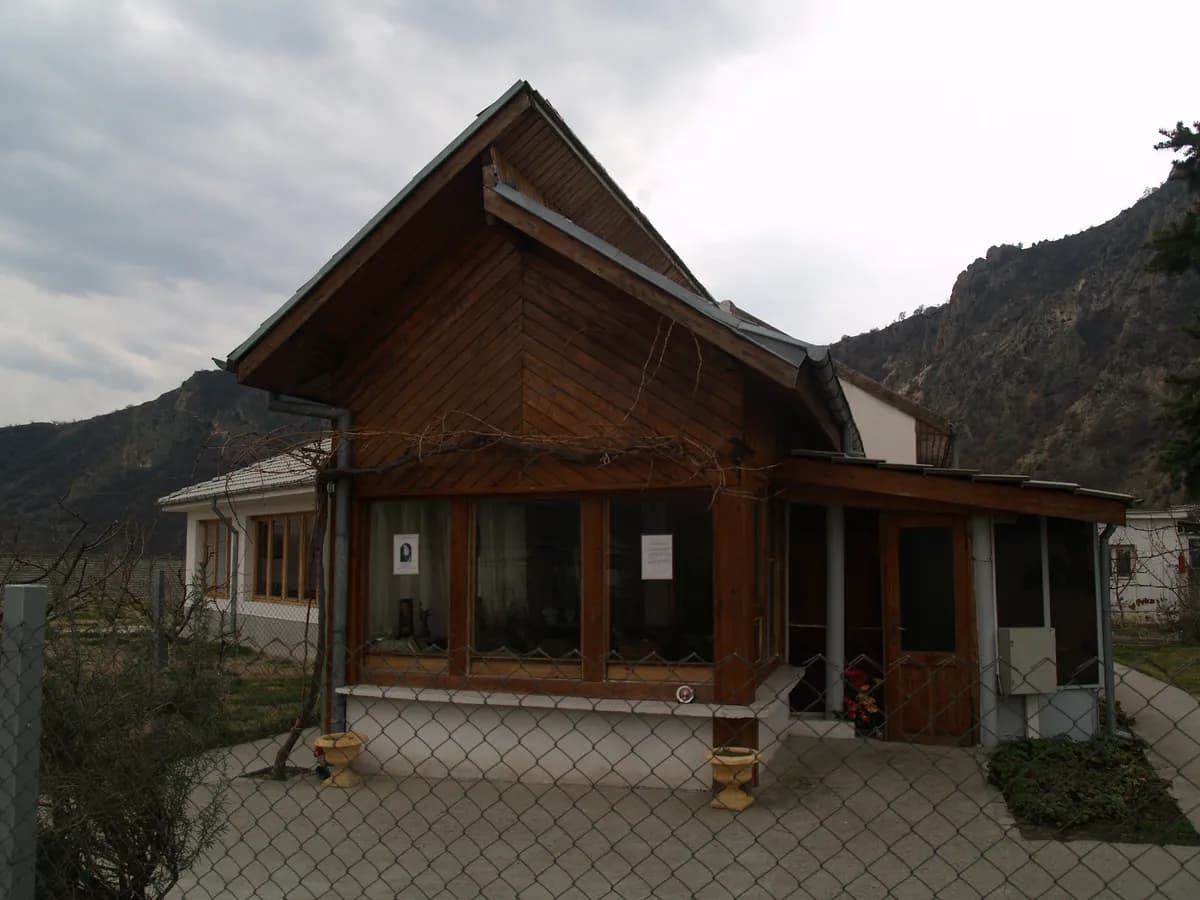
Her house in Petrich opens as a museum.
The Prophecies: What Is Actually True
For each prediction attributed to Vanga, look for the earliest dated recording or publication. A later retelling may change the wording and its context.
Documented
- A blind woman from Petrich who received visitors over five decades, including public figures of her time.
- She funded the “St. Petka of Bulgaria” church in Rupite (completed 1994) and left her estate to the state.
Unverified
- Lists of predictions for a particular year need a dated original source. Repetition across websites does not establish attribution.
- The percentages of “accuracy” circulating online have no documented basis.
Rupite: Her Place
The Rupite area near Petrich (the crater of an extinct volcano with warm mineral springs) is the place most associated with Vanga today. Here she received visitors in her final decades, here stands the church she funded, and here she is buried.
Her house in Petrich has been a museum since 2008, and the small house in Rupite is preserved as she left it: both can be visited.
The “Baba Vanga Dream Book”
In Bulgarian folklore there are dream interpretations attributed to Vanga. They are part of the folk tradition that grew around her name and are not a documented work of hers.
Dream Dictionary
What the symbols of a dream mean, from A to Z.
Frequently asked questions
Are Baba Vanga’s prophecies real?
A specific prediction needs a dated original source. Check when it was first recorded, who recorded it and whether the wording predates the event. A later retelling does not establish that a prediction was made in advance.
What is the “Baba Vanga dream book”?
In Bulgarian folklore there are dream interpretations attributed to Vanga. They are part of the folk tradition around her and are not a documented work of hers. To interpret your own dream, use Vrachka’s dream dictionary.
Where did Baba Vanga live?
She lived most of her life in the town of Petrich, near the meeting point of Bulgaria, Greece and North Macedonia. In her last decades she received visitors in the nearby village of Rupite. Her house in Petrich became a museum in 2008.
Other Bulgarian clairvoyants
Portraits of 28 clairvoyants, healers, spiritual teachers and saints.
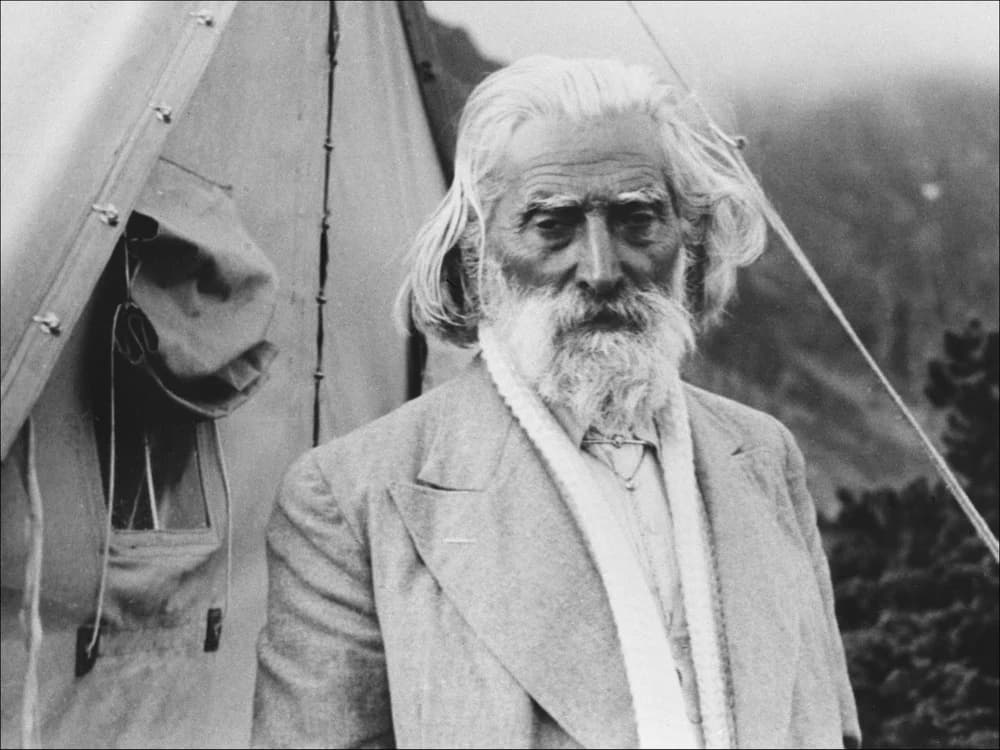 Peter DeunovSpiritual teachersVarna, Sofia and Rila
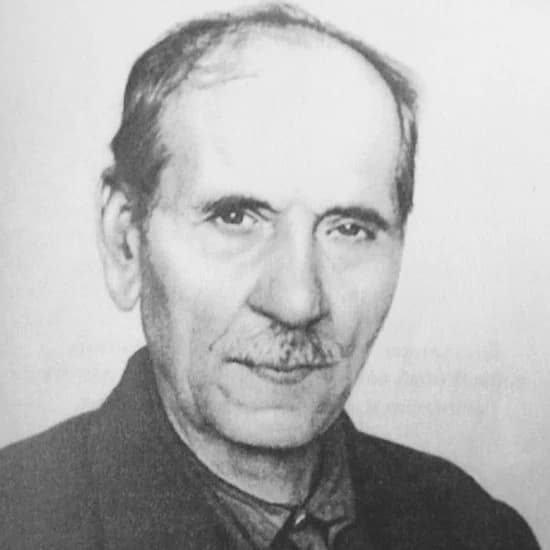 Dyado VlaychoHistorical clairvoyantsKonyovo, Nova Zagora municipality
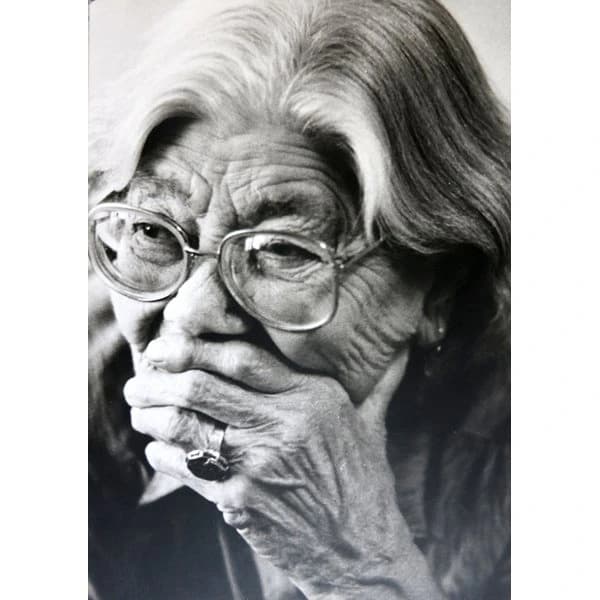 Slava SevryukovaHistorical clairvoyantsNova Zagora and Sofia
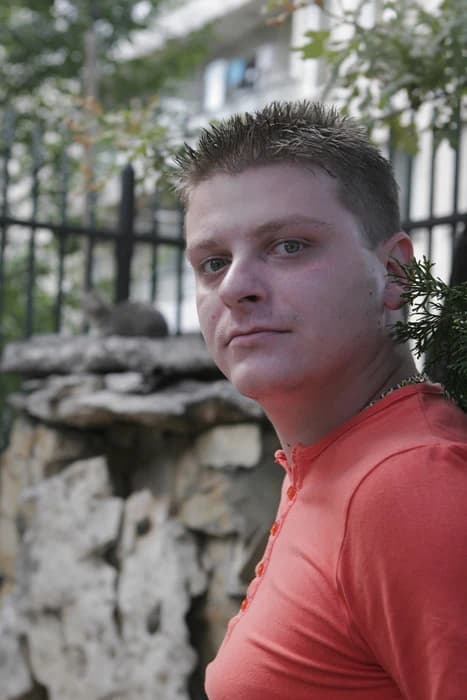 Bozhidar KaradzhovContemporary figuresVarna
Photographs and authors
- Peter Deunov: Unidentified author / Wikimedia Commons. Public domain
- Dyado Vlaycho: Unidentified author / Wikimedia Commons. Public domain
- Slava Sevryukova: Bulgaria Dnes · Viktor Giltyay
- Bozhidar Karadzhov: Bozhidar Karadzhov’s own website · Unidentified author
Browse the biographiesVanga in photographs, films and the archive guide
More divination
Tarot Cards
A card of the day, yes or no, and spreads of three to ten cards.
Coffee Reading
Photograph the grounds and get a reading of the signs in your cup.
Lenormand Cards
Draw one, three or five cards and read what they say side by side.
Runes
Cast one, three or five runes of the Elder Futhark for your question.