























Practices
Magical herbs
Magical herbs are plants used symbolically in rituals, customs and personal practices; the word “magical” describes that context. Find the plant by name and check which species is covered. Each entry separates the plant description, ritual meaning and precautions for use.
This is a tradition and not medical advice.
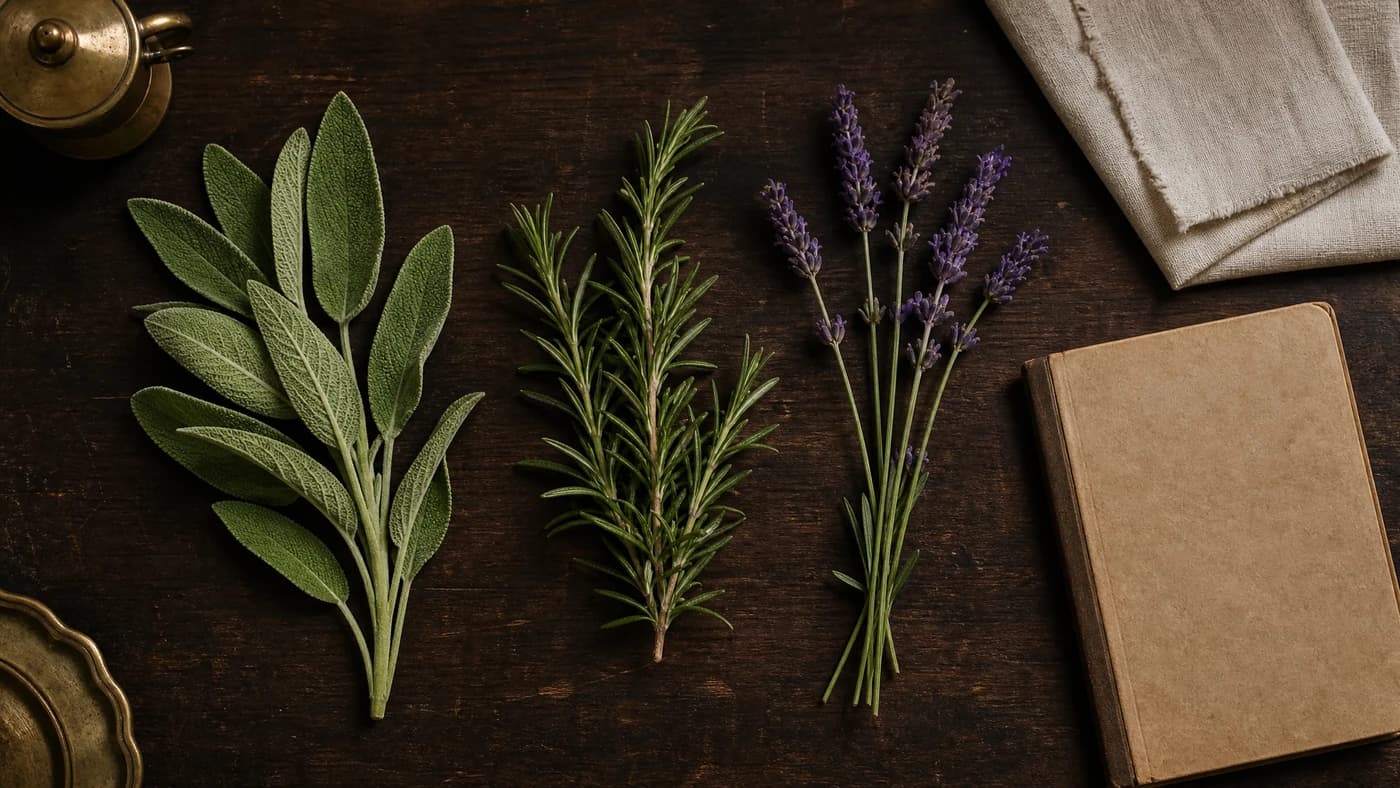
Garden sage, rosemary and lavender: a study illustration of three distinct plants.
Herbs
Choose a herb
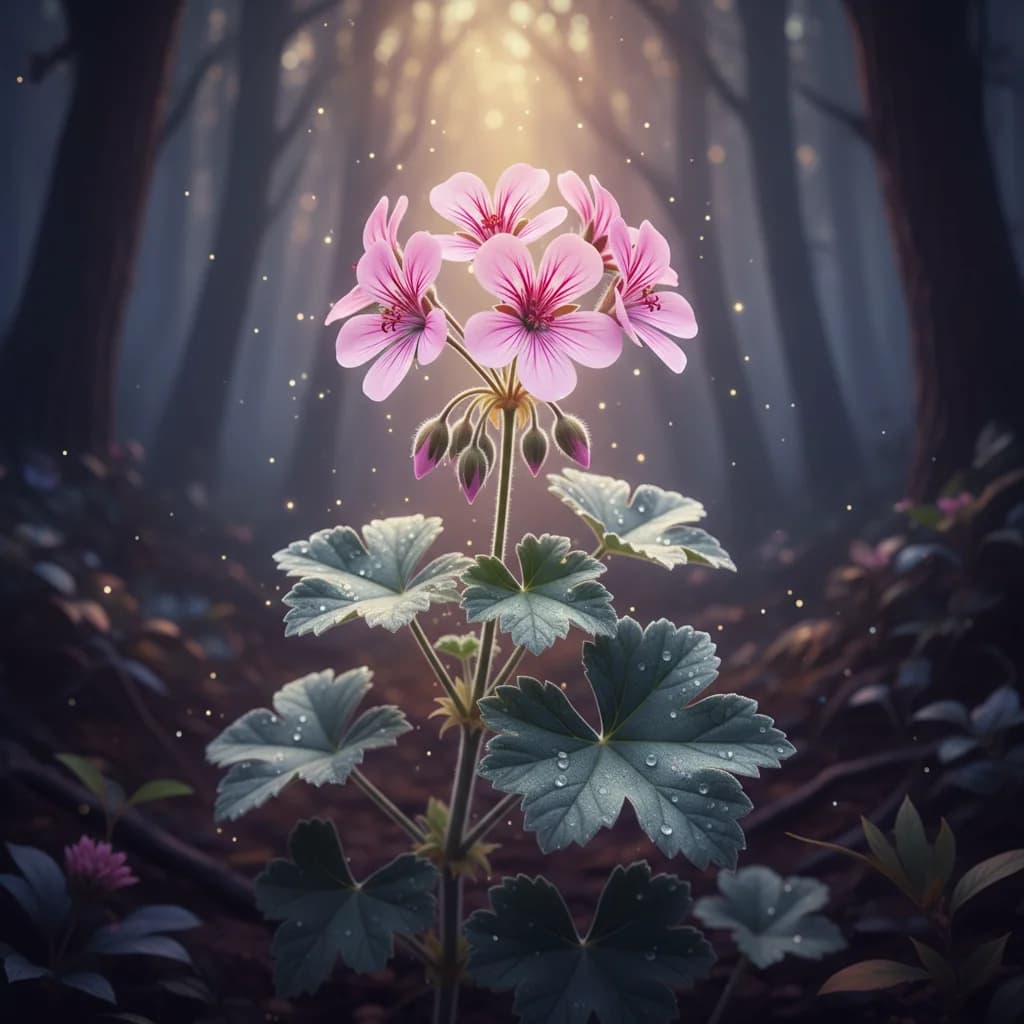
Balkan cranesbill
Geranium macrorrhizumBalkan cranesbill appears in Bulgarian festive wishes for health. This entry is about Geranium macrorrhizum, not the pelargoniums often called geraniums.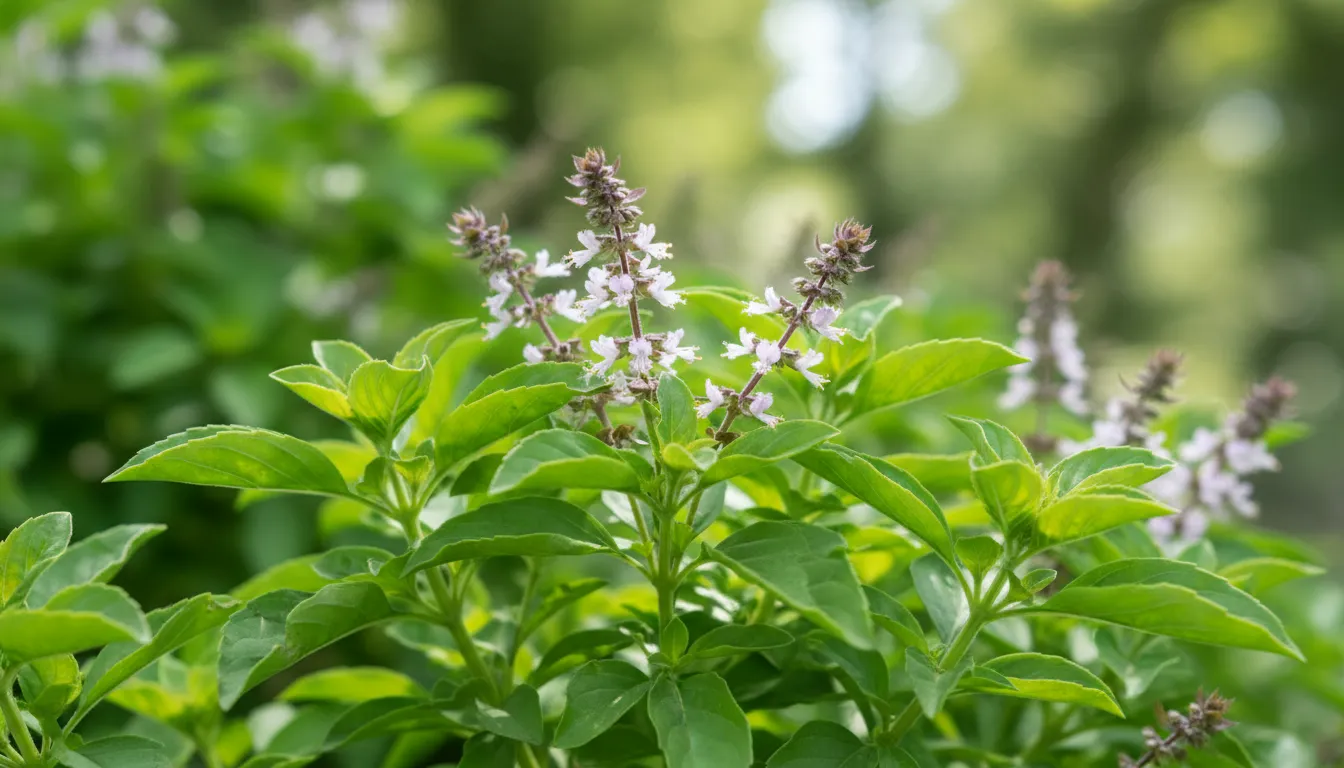
Basil
Ocimum basilicumBasil appears in home and ritual practice as a symbol of well-being and hospitality. A potted plant needs care; a leaf in a wallet does not bring income.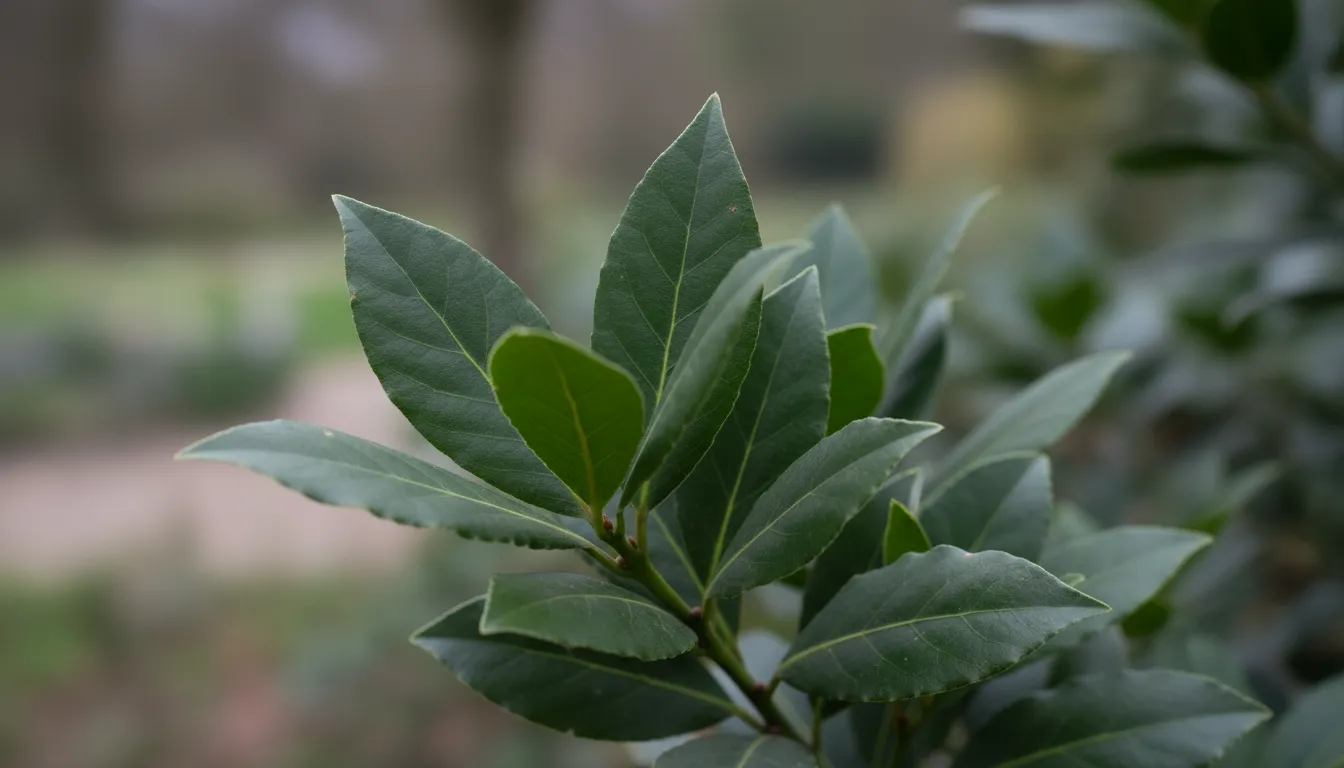
Bay laurel
Laurus nobilisBay laurel is associated with victory, completion and good wishes. In a personal ritual, a leaf can hold a written goal without promising its fulfillment.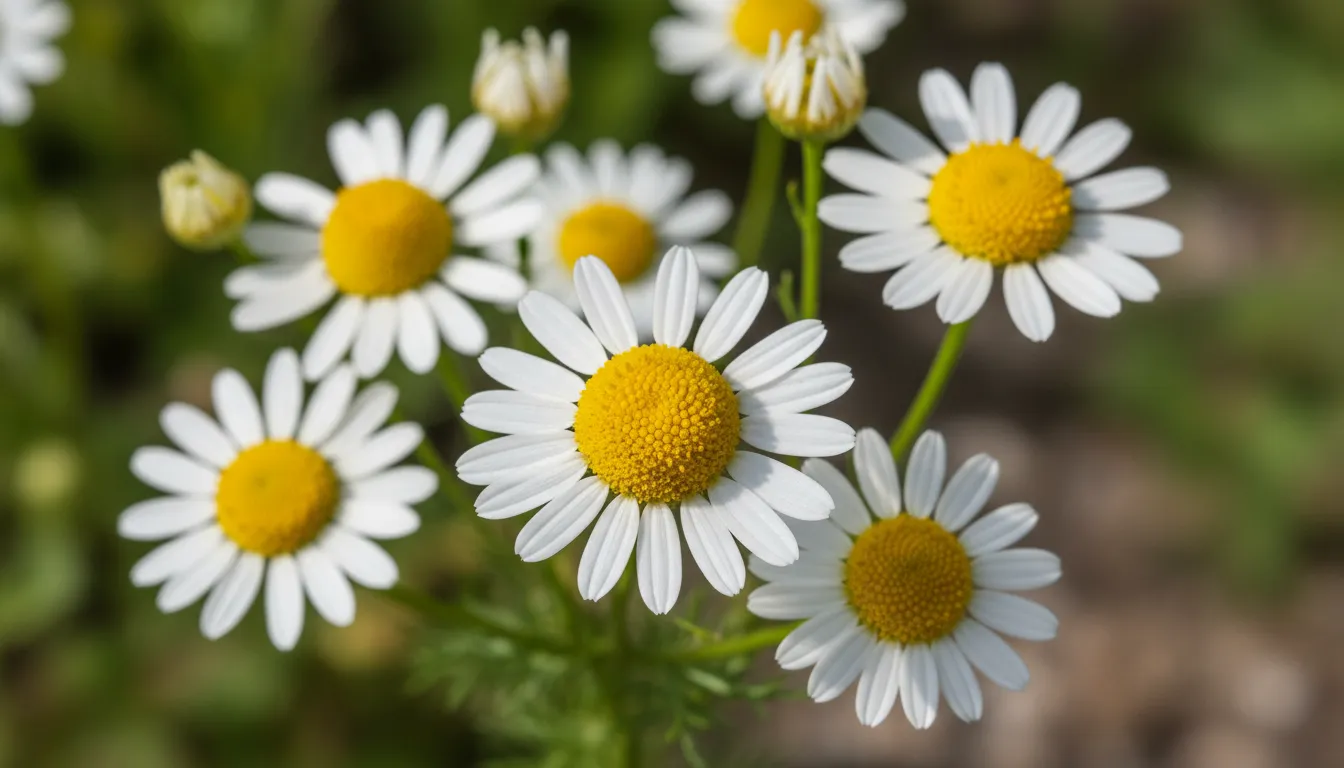
Chamomile
Matricaria recutita (Matricaria chamomilla)Chamomile has white ray florets around a yellow center. Symbolic practice links it with rest and gentleness, apart from any use of herbal preparations.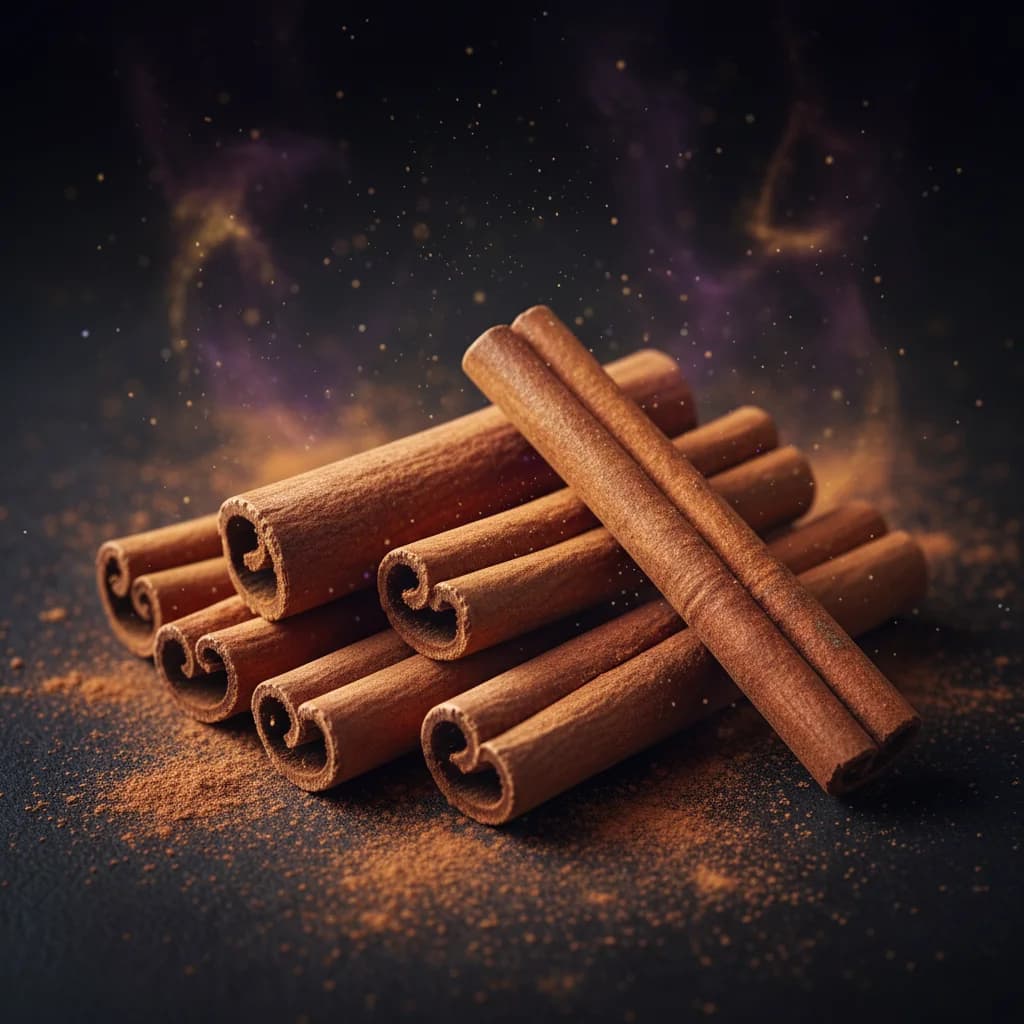
Cinnamon
Cinnamomum verum; Cinnamomum cassiaCinnamon is an aromatic bark used as a spice and a symbol of warmth and well-being. Ceylon cinnamon and cassia differ in composition.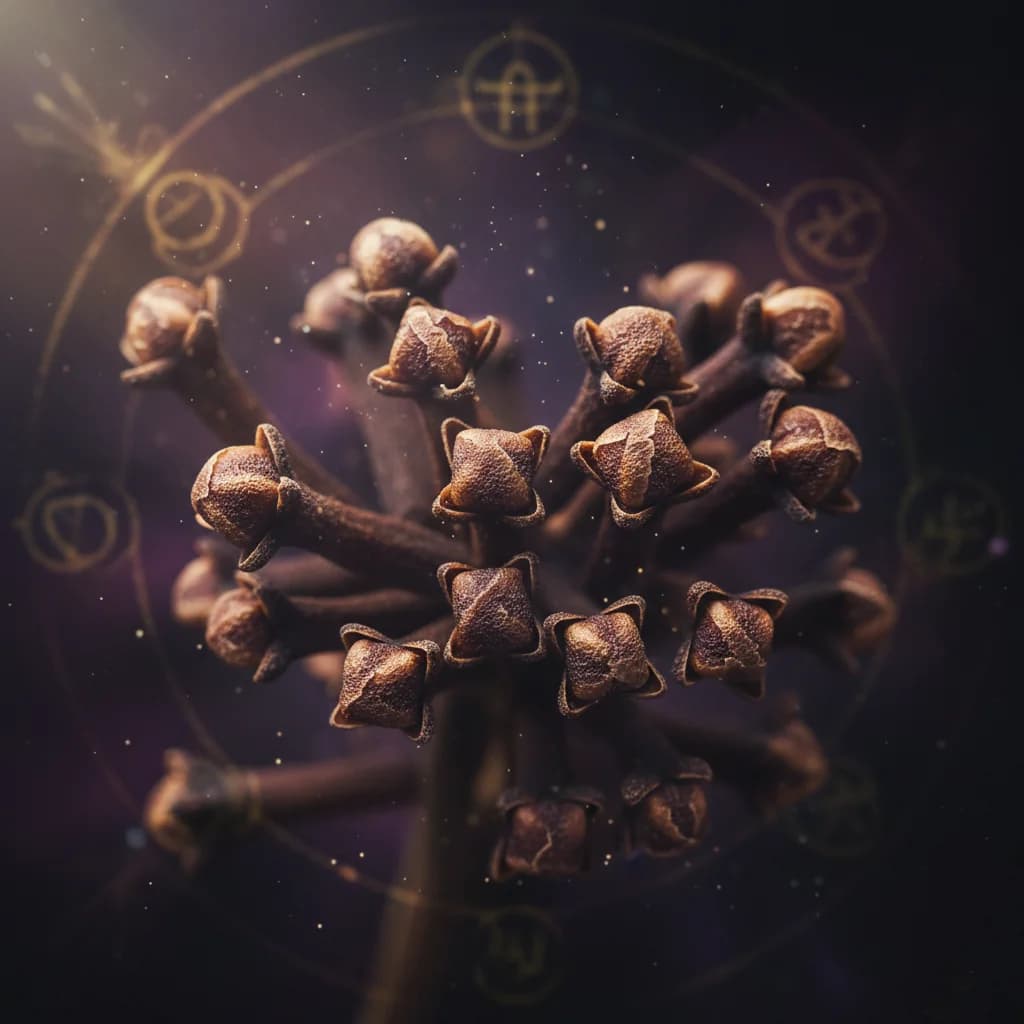
Clove
Syzygium aromaticumThe spice clove is a dried flower bud. Scented arrangements link it with warmth, hospitality and protection. It is not the garden flower carnation.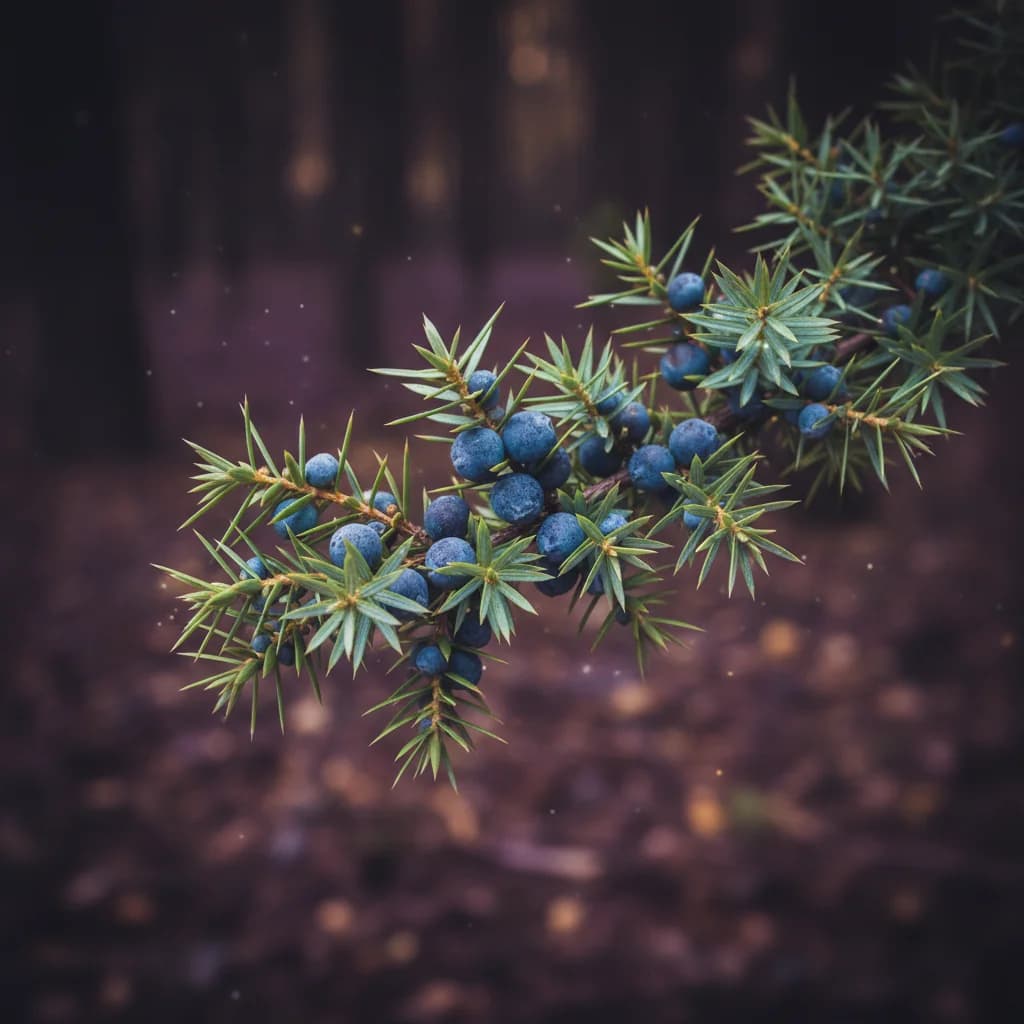
Common juniper
Juniperus communisJuniper is a conifer also used in ritual arrangements. This entry is about common juniper; different species should not be mixed up under one name.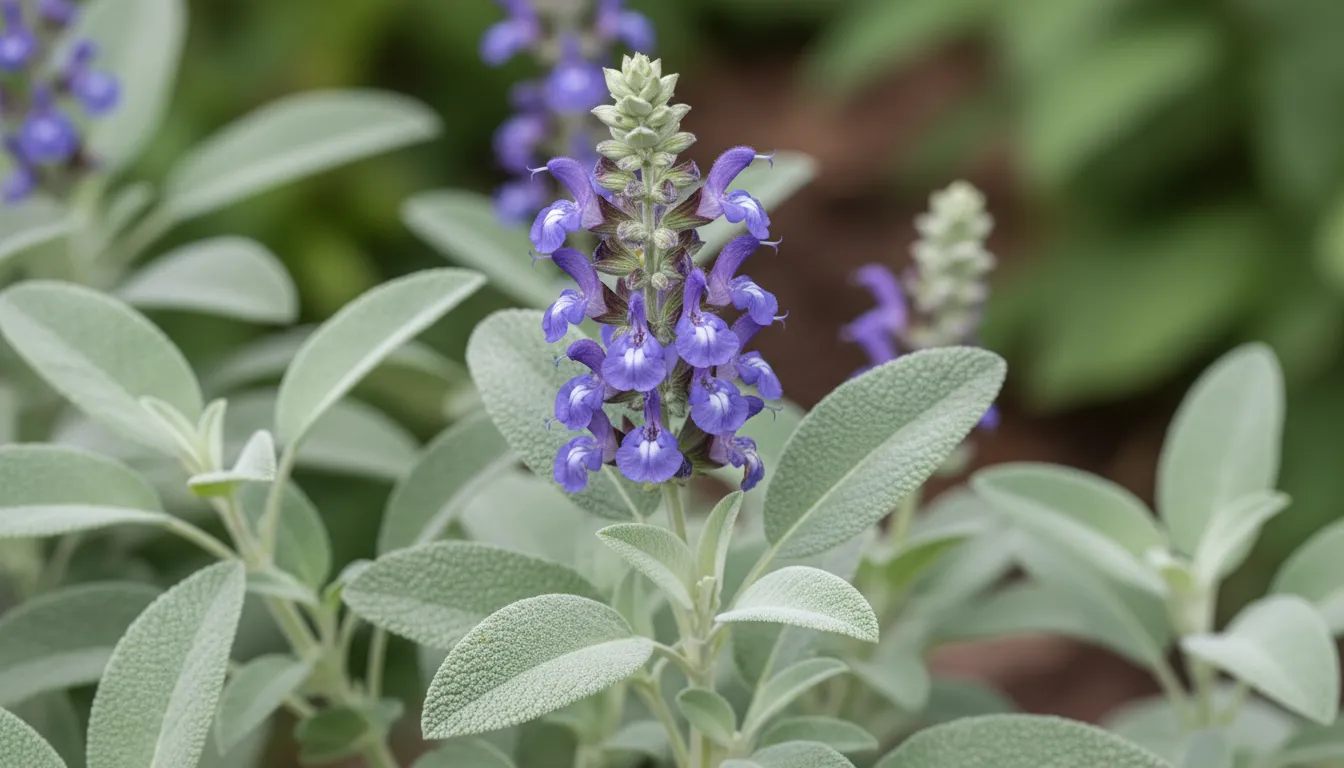
Garden sage
Salvia officinalisGarden sage has grey-green leaves and a strong scent; esoteric practice links it with cleansing and clarity. This is Salvia officinalis, not white sage.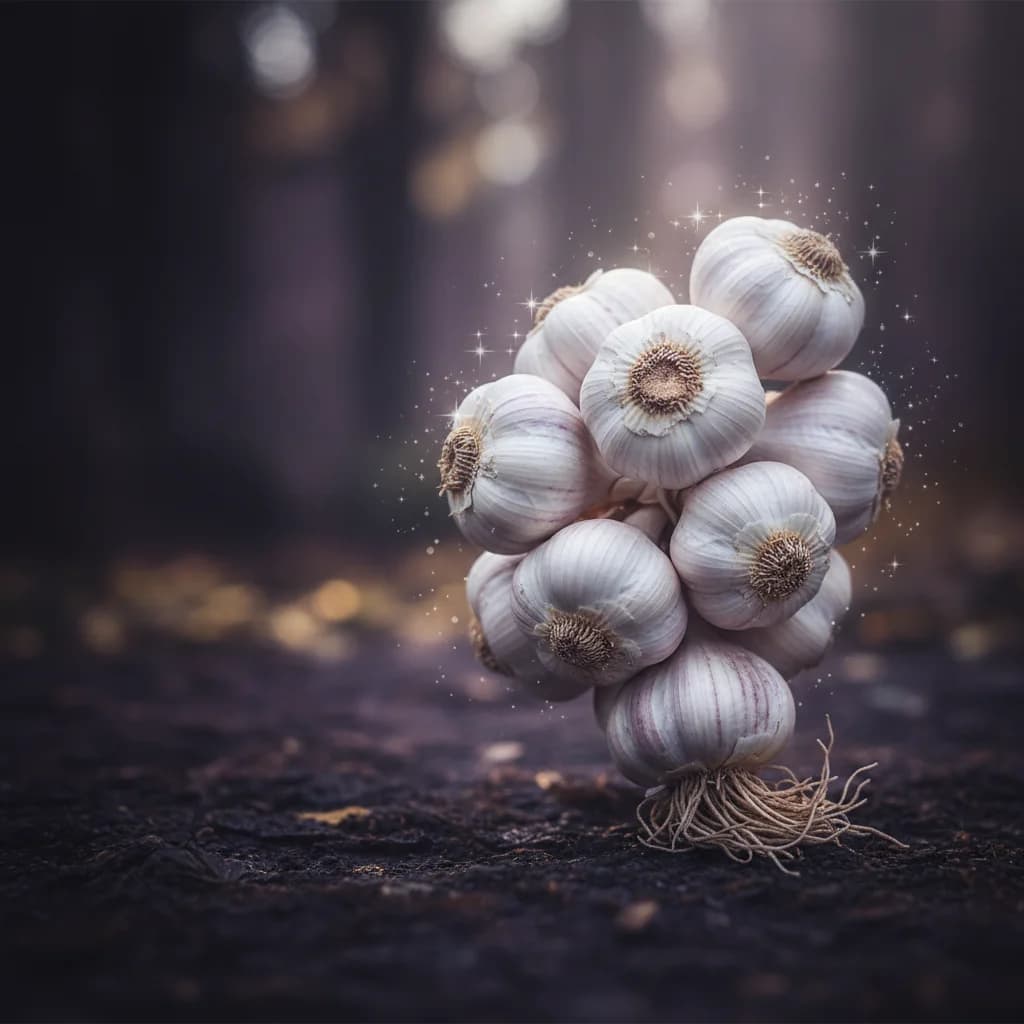
Garlic
Allium sativumGarlic is a familiar food and a symbol of protection in ritual imagery. A clove used symbolically is different from taking a concentrated supplement.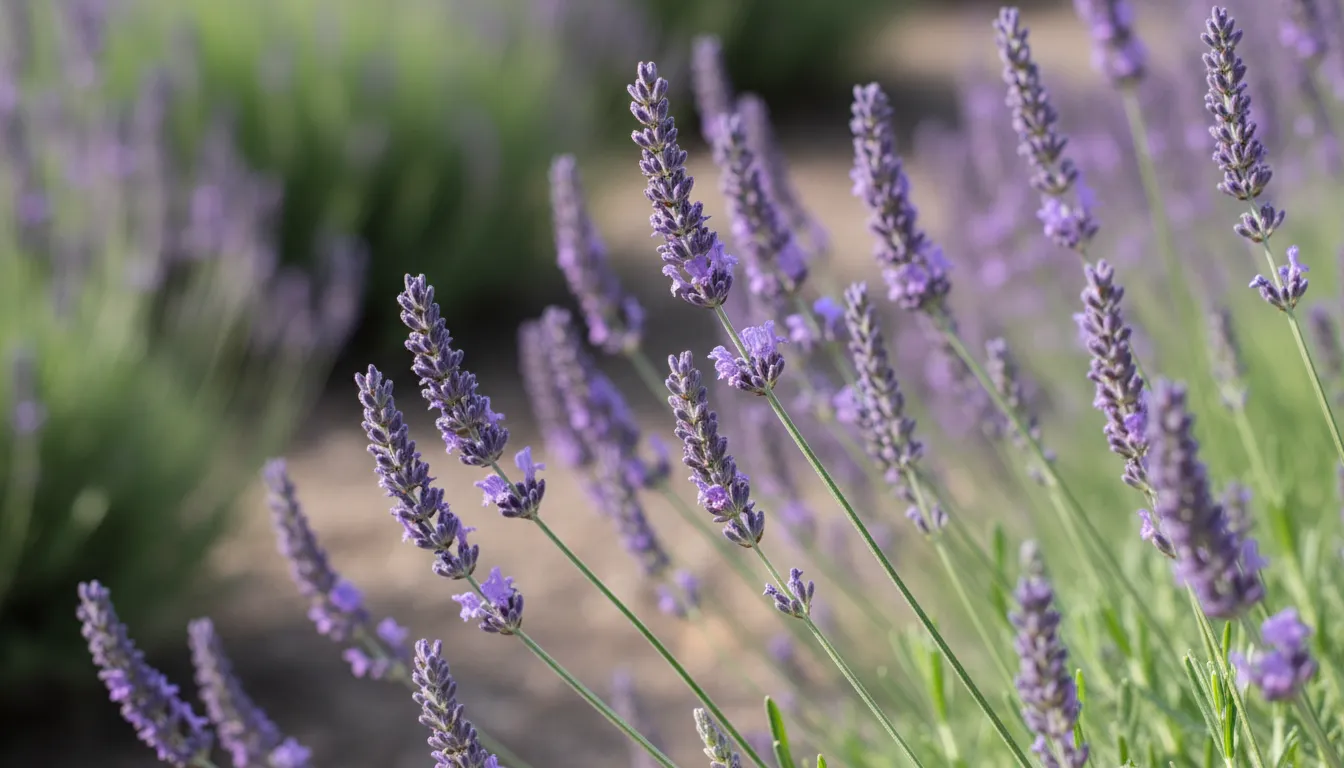
Lavender
Lavandula angustifoliaLavender is valued for the scent of its flowers. An evening ritual can use it to mark rest and the end of the day, without promising sleep.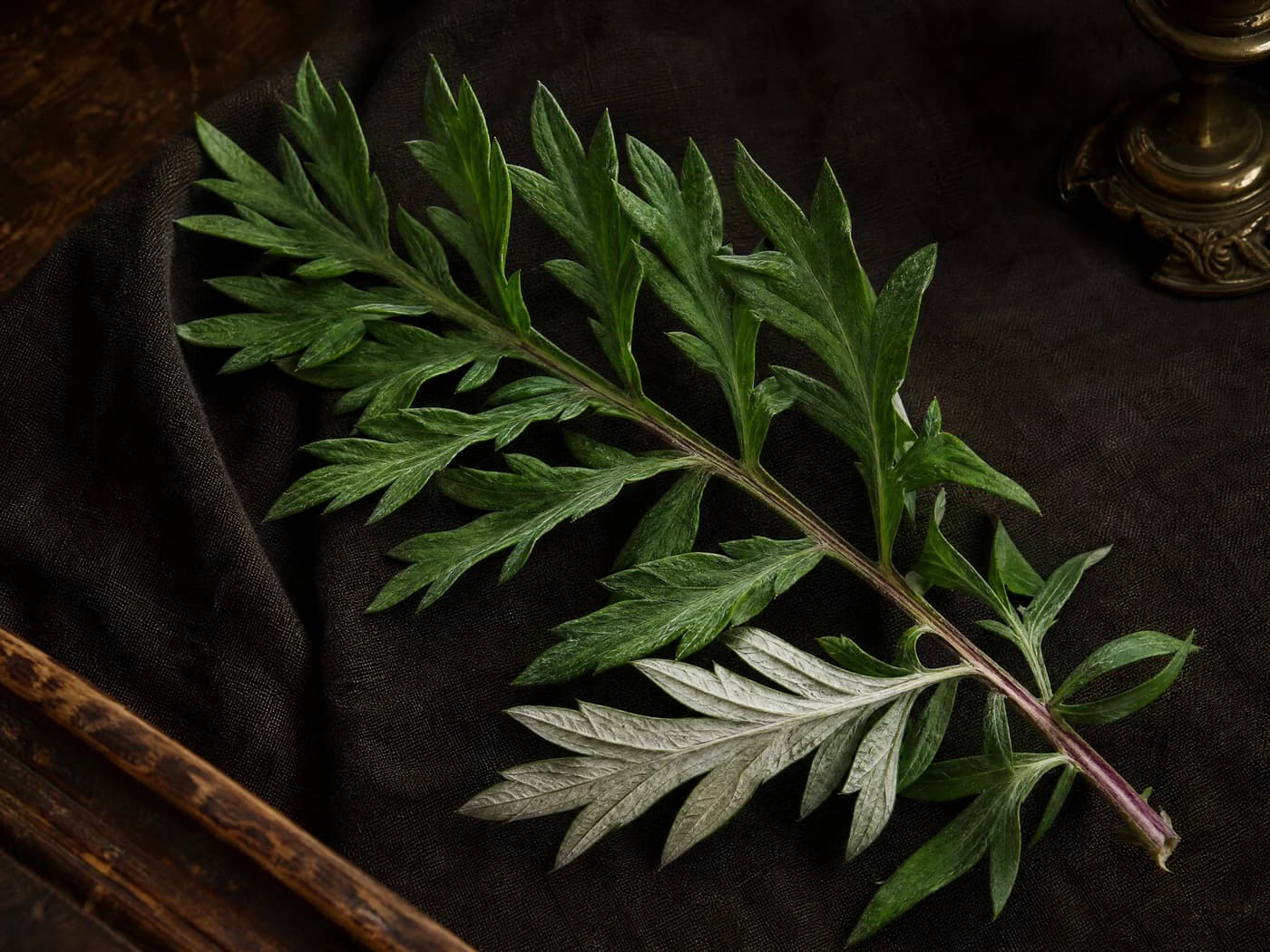
Mugwort
Artemisia vulgarisMugwort is Artemisia vulgaris. Esoteric practices associate it with dreams and symbolic observation. It is distinct from wormwood, Artemisia absinthium.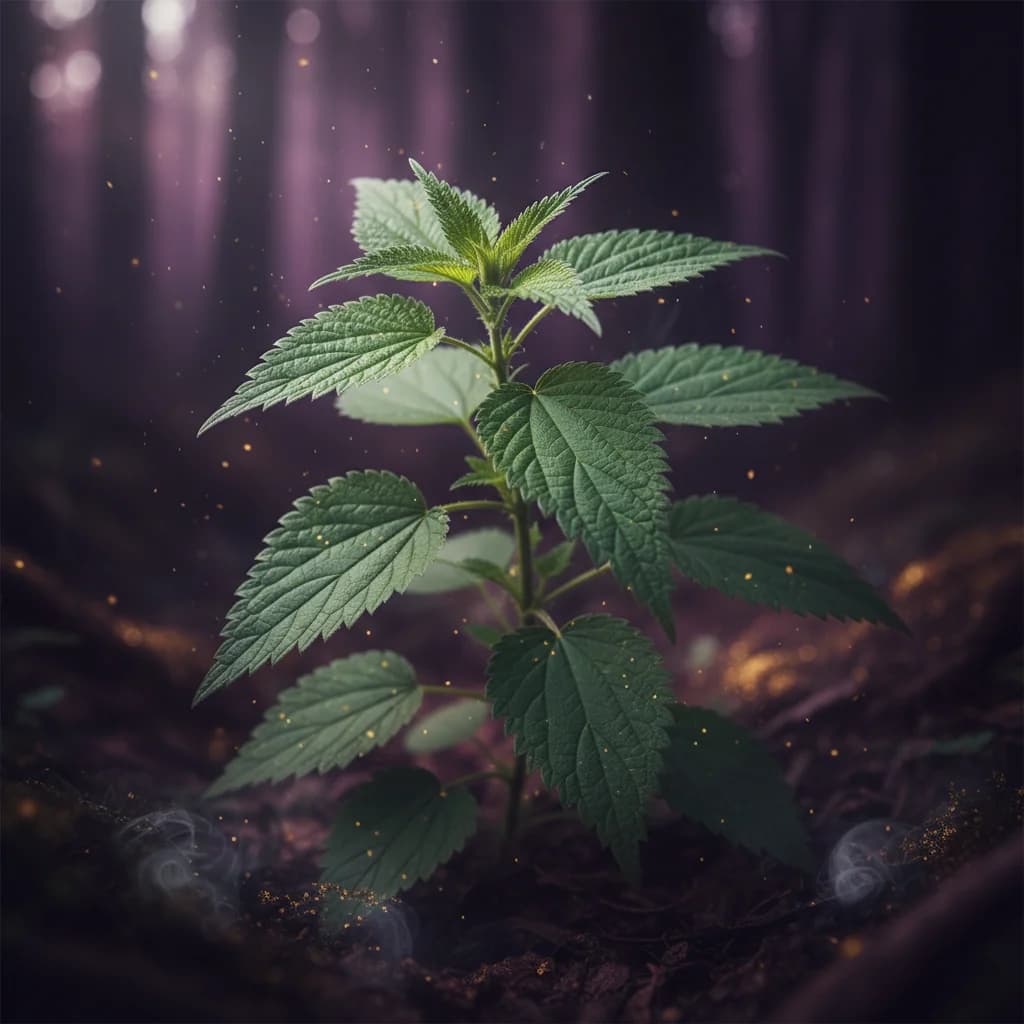
Nettle
Urtica dioica; Urtica urensNettles have stinging hairs, which symbolic practice reads as an image of boundaries and self-protection. Fresh plants need careful handling.Peppermint
Mentha × piperitaPeppermint has a recognizable fresh scent. Personal rituals can use it to mark a new beginning or a brief pause. This entry concerns Mentha × piperita.
Rose
Rosa spp.The rose can represent love, closeness and loss. Color and occasion provide the context; a petal cannot create feelings in another person.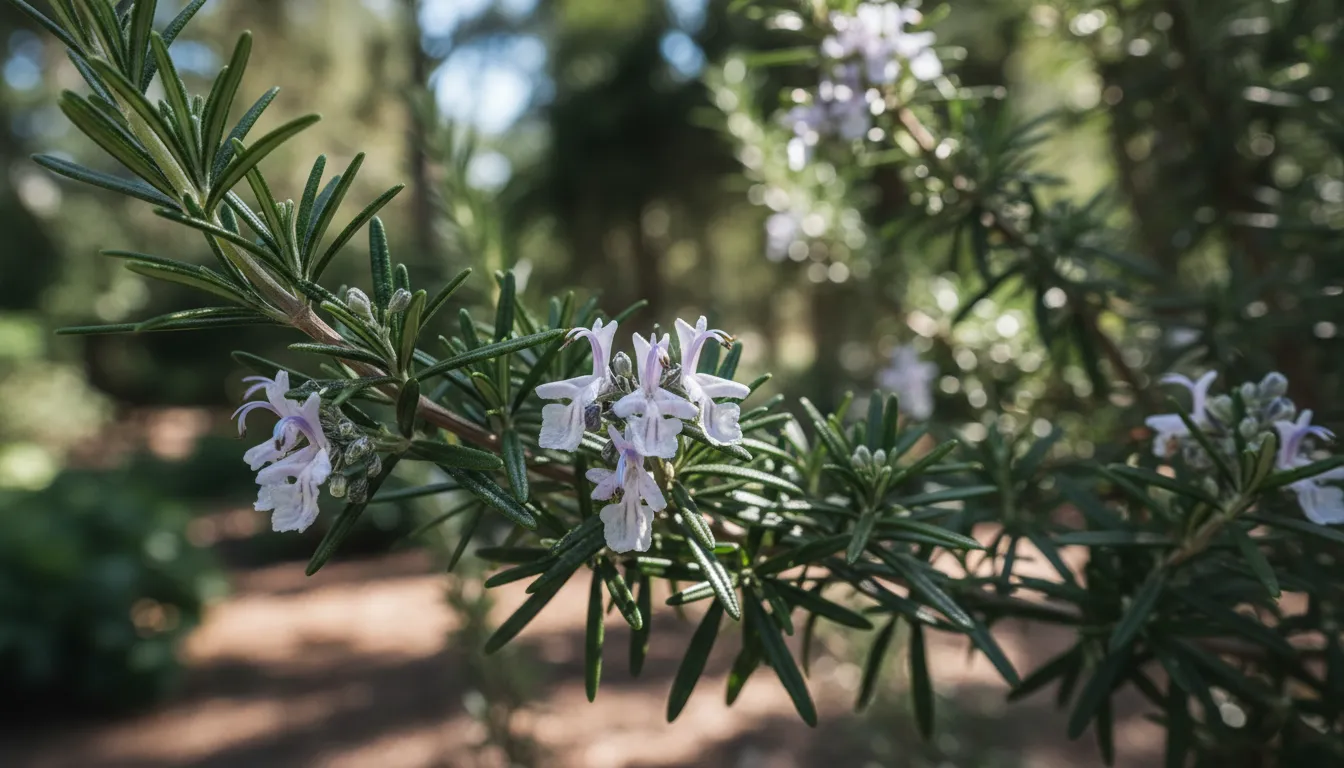
Rosemary
Salvia rosmarinus (Rosmarinus officinalis)Rosemary is an aromatic shrub with narrow leaves. Symbolic practices use it to represent remembrance, steadiness and care for a personal space.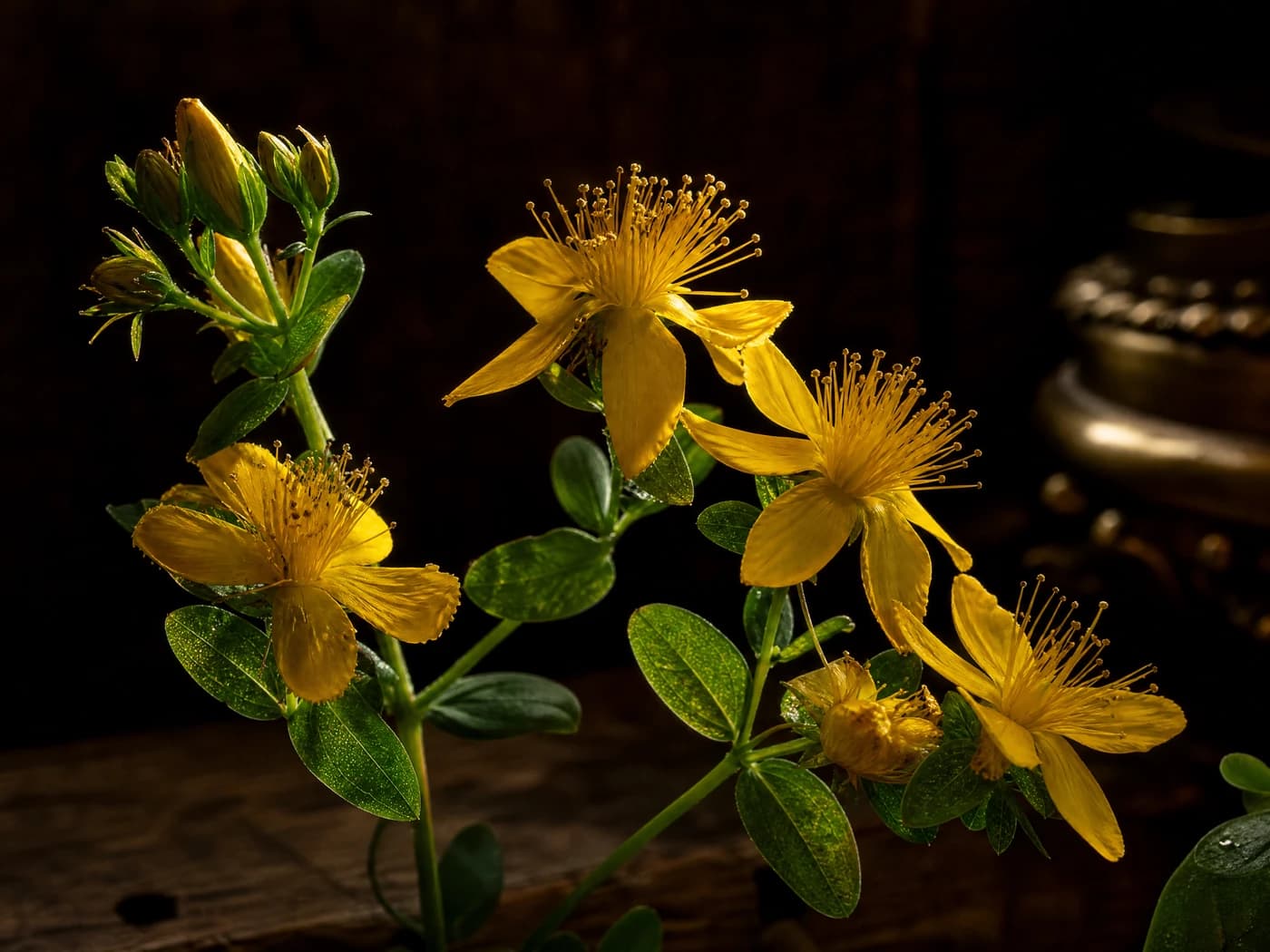
St. John’s wort
Hypericum perforatumSt. John’s wort has yellow flowers, linked in symbolic practice with light and protection. Its herbal products have important interactions with medicines.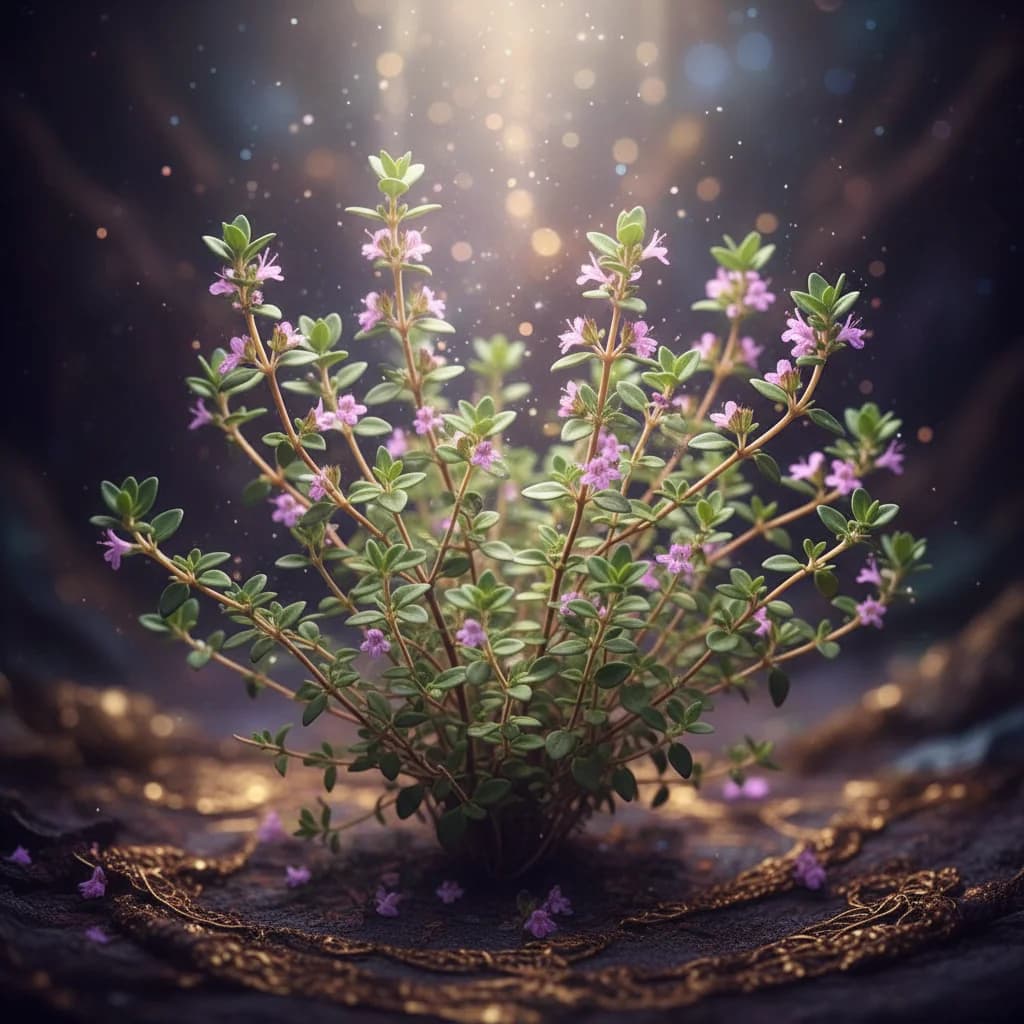
Thyme
Thymus vulgaris; Thymus zygisThyme is an aromatic plant with small leaves. This entry considers it as a symbol of courage and attention, separately from herbal preparations.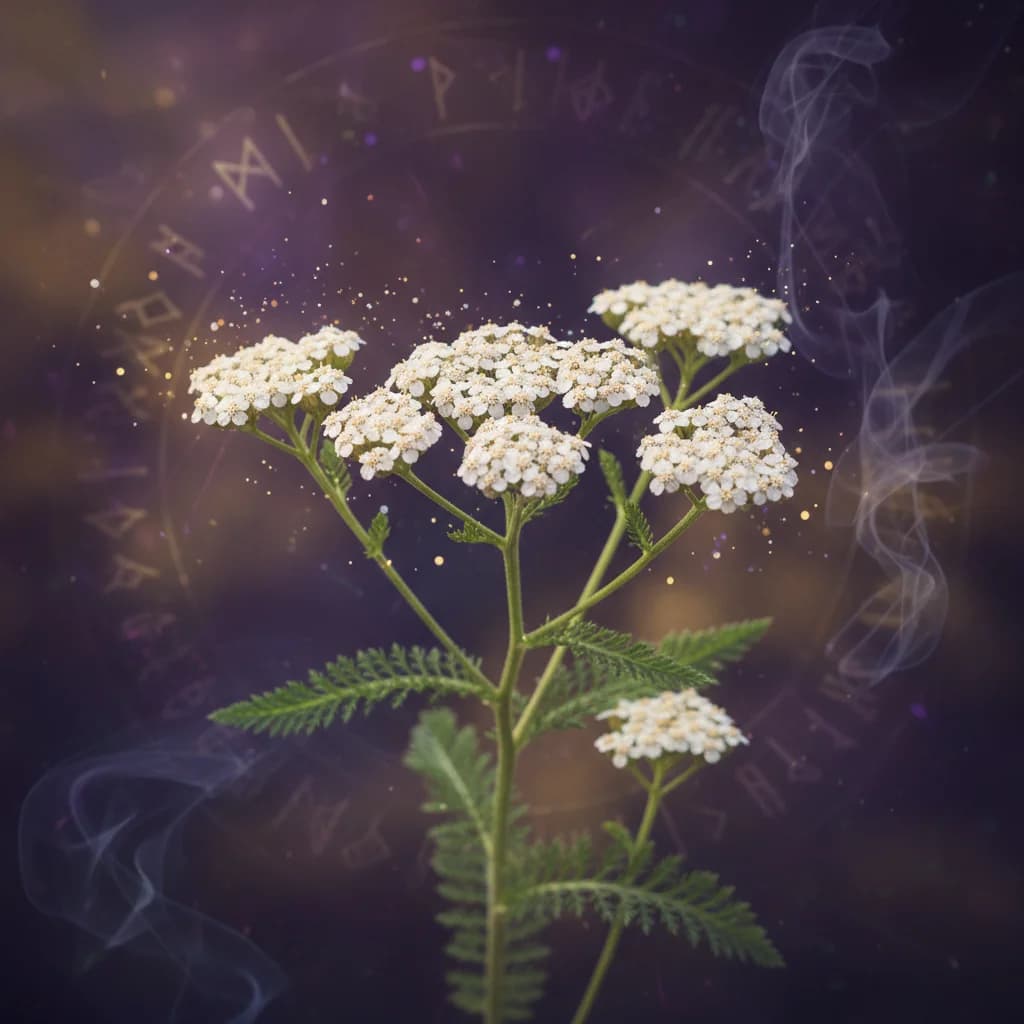
Yarrow
Achillea millefoliumYarrow has finely divided leaves and clusters of small flowers. Symbolic practices associate it with courage, boundaries and wishes concerning love.
Herbs
Frequently asked questions
What does “magical herbs” mean?
These are plants used symbolically in rituals, customs and personal practices. Magical describes that context; it is not a botanical category or evidence of medicinal action.
Are garden sage and white sage the same?
No. Garden sage is Salvia officinalis; white sage is Salvia apiana. Check the botanical name because sage can refer to different species.
Can every listed herb be consumed as tea?
No. Species, plant part, preparation and personal circumstances matter. This reference does not provide treatment recipes or doses. Check product leaflets and possible interactions with medicines.
Does an herbal ritual require burning?
No. A dried sprig, cloth pouch or image can form part of a symbolic practice. Choose a smoke-free version to avoid burning and strong fragrance.
How should dried herbs be stored?
Keep them dry and labeled with a name and date, separate from decorative materials and essential oils. Follow package dates; do not use damp or moldy material or products of uncertain origin.