























Library
The 78 tarot cards: the meaning of every card
Tarot is a deck of 78 cards: 22 of the Major Arcana and 56 of the Minor Arcana, divided into four suits (wands, cups, swords and pentacles) of 14 cards each. Every card has a meaning in the upright and in the reversed position. The meanings in this section follow the Rider-Waite-Smith deck of 1909.
 The Tower
22 cards
The Major Arcana
The cards numbered from 0 to 21: the path from the Fool to the World.
56 cards
The Minor Arcana
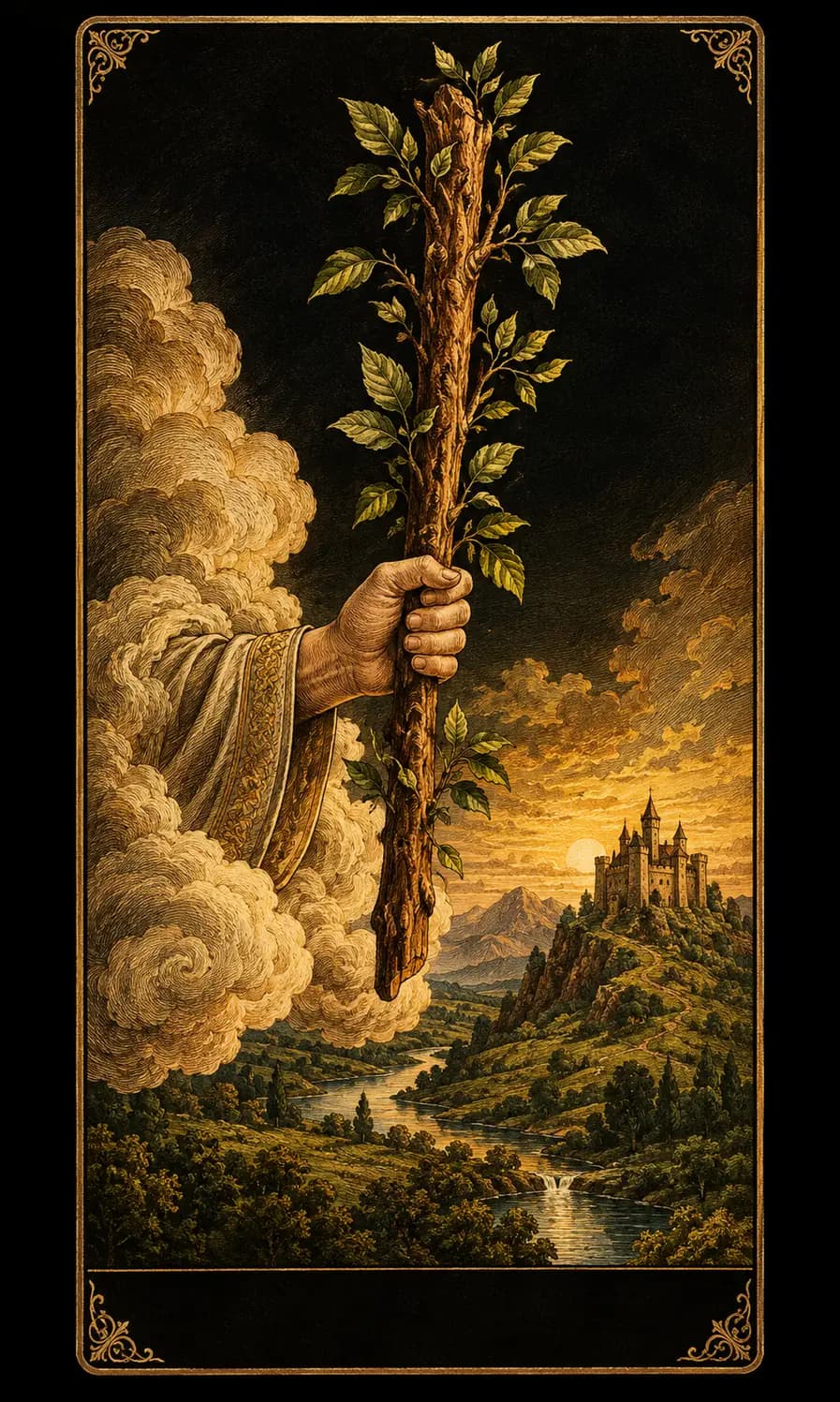
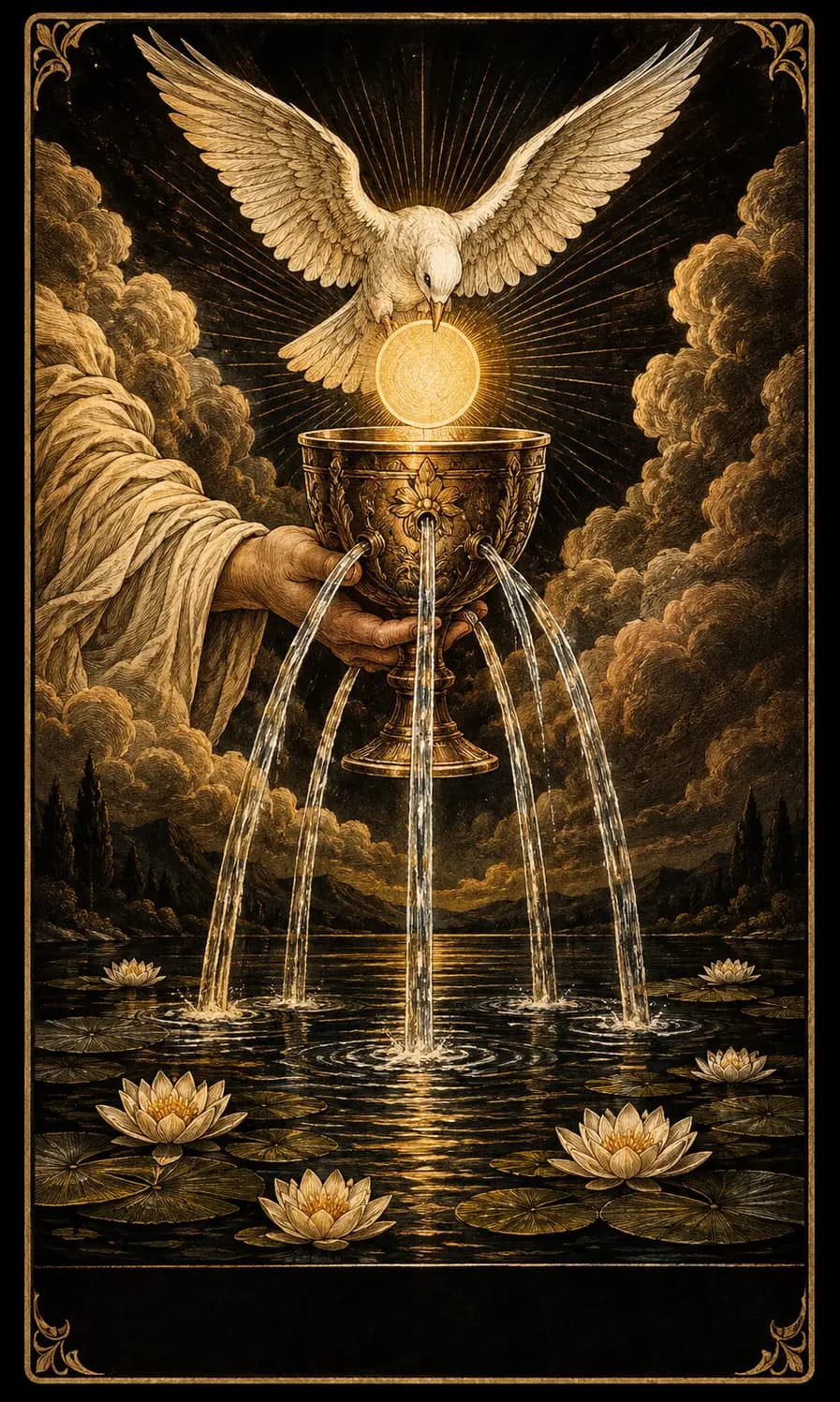
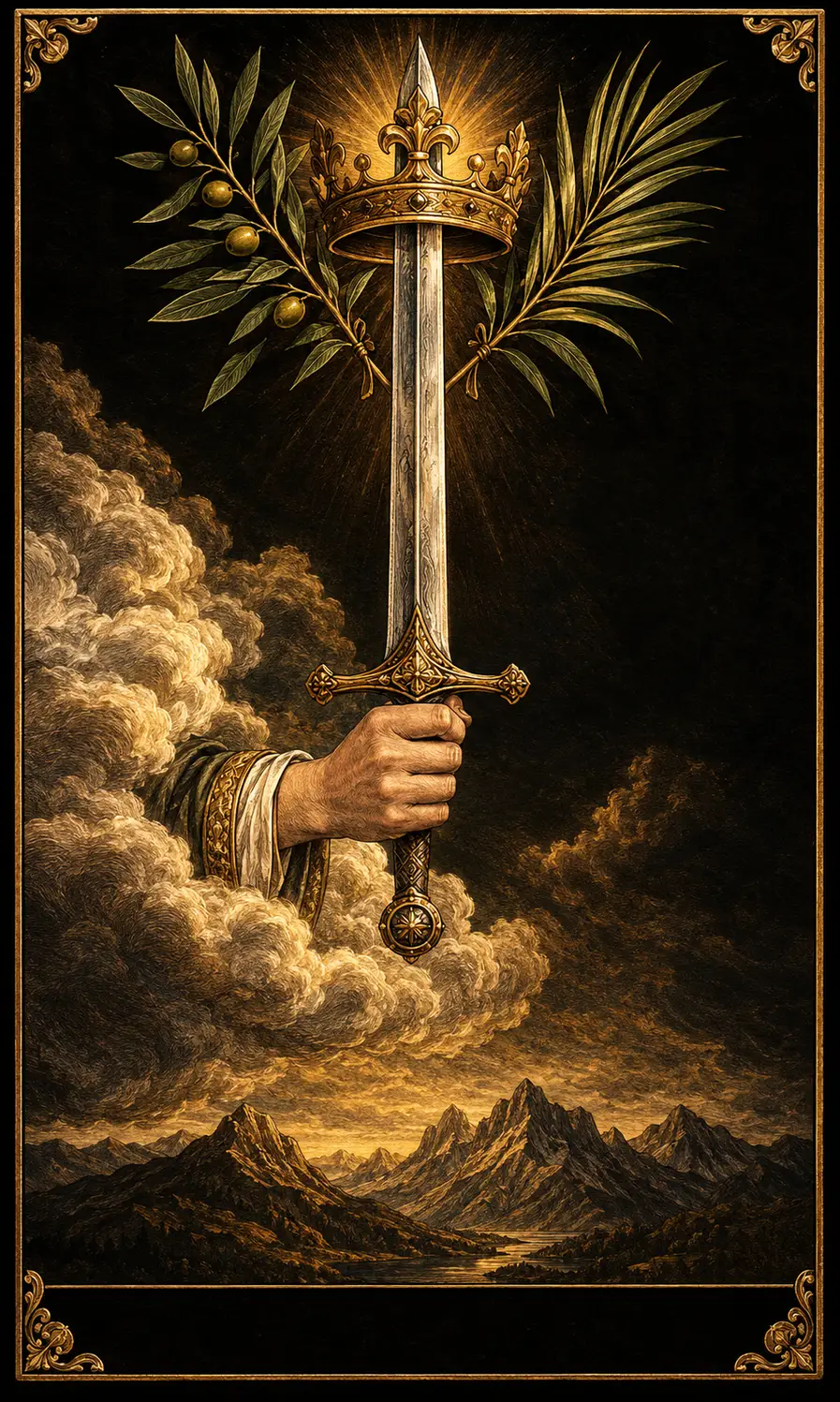
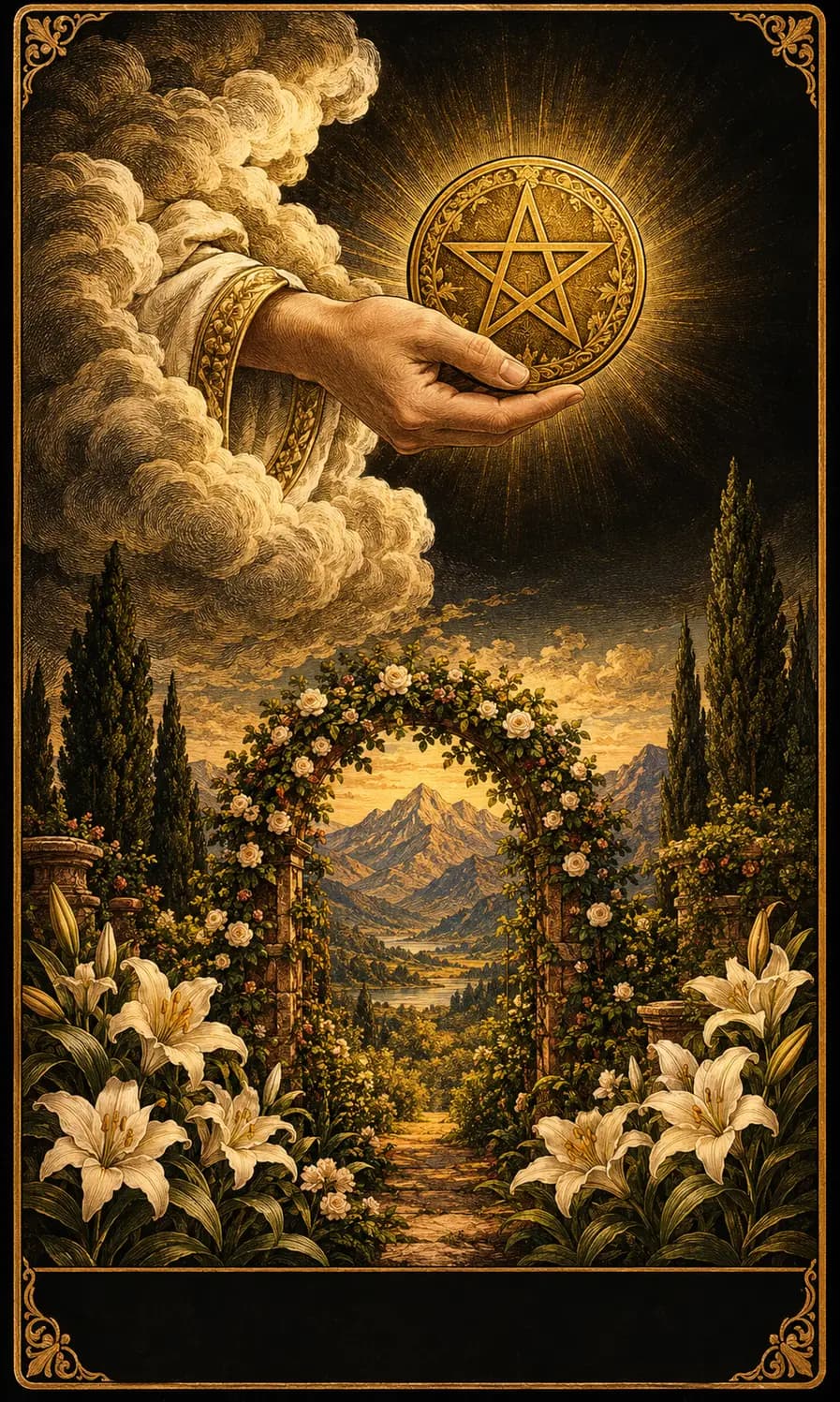
Four suits, each from ace to ten and four court cards.
Reference
All 78 cards
Every card by group and number, with its three keywords in the upright position.
| No. | Card | Keywords |
|---|---|---|
| Major Arcana · 22 cards | ||
| 0 | The Fool | fresh beginnings, spontaneity, liberation |
| 1 | The Magician | will, capability, manifestation |
| 2 | The High Priestess | intuition, wisdom, mysteries |
| 3 | The Empress | fertility, nurturing, abundance |
| 4 | The Emperor | control, structure, authority |
| 5 | The Hierophant | tradition, convention, structure |
| 6 | The Lovers | love, harmony, choice |
| 7 | The Chariot | willpower, mastery, triumph |
| 8 | Strength | inner strength, courage, compassion |
| 9 | The Hermit | introspection, inner voice, quest |
| 10 | Wheel of Fortune | cycles, serendipity, transformation |
| 11 | Justice | justice, balance, truth |
| 12 | The Hanged Man | devotion, sacrifice, waiting |
| 13 | Death | endings, transformation, release |
| 14 | Temperance | balance, patience, harmony |
| 15 | The Devil | dependency, manipulation, dark desires |
| 16 | The Tower | sudden shift, upheaval, liberation |
| 17 | The Star | hope, faith, inspiration |
| 18 | The Moon | illusions, uncertainty, subconscious |
| 19 | The Sun | joy, success, fulfillment |
| 20 | Judgement | rebirth, awakening, liberation |
| 21 | The World | wholeness, completion, mastery |
| Wands · 14 cards | ||
| 1 | Ace of Wands | fresh beginnings, celestial inspiration, vibrant enthusiasm |
| 2 | Two of Wands | planning, decisions, future |
| 3 | Three of Wands | vision, progress, partnership |
| 4 | Four of Wands | celebration, resonance, fellowship |
| 5 | Five of Wands | rivalry, discord, competitive friction |
| 6 | Six of Wands | victory, acclaim, visibility |
| 7 | Seven of Wands | protection, courage, overcoming challenges |
| 8 | Eight of Wands | speed, momentum, transformation |
| 9 | Nine of Wands | resilience, courage, defense |
| 10 | Ten of Wands | burden, responsibility, overwhelm |
| 11 | Page of Wands | inspiration, current insights, cosmic energy |
| 12 | Knight of Wands | enthusiasm, action, boldness |
| 13 | Queen of Wands | passion, confidence, vitality |
| 14 | King of Wands | leadership, passion, confidence |
| Cups · 14 cards | ||
| 1 | Ace of Cups | emotional fulfillment, new beginnings, love |
| 2 | Two of Cups | harmony, partnership, alignment |
| 3 | Three of Cups | celebration, joy, kinship |
| 4 | Four of Cups | detachment, apathy, inner landscape |
| 5 | Five of Cups | bereavement, sorrow, regret |
| 6 | Six of Cups | nostalgia, childhood, reminiscence |
| 7 | Seven of Cups | choices, illusions, reverie |
| 8 | Eight of Cups | withdrawal, disillusionment, seeking truth |
| 9 | Nine of Cups | contentment, joy, fulfillment |
| 10 | Ten of Cups | domestic bliss, soulful harmony, total fulfillment |
| 11 | Page of Cups | new horizons, creative expression, romance |
| 12 | Knight of Cups | romanticism, dreaminess, creative inspiration |
| 13 | Queen of Cups | empathy, compassion, intuition |
| 14 | King of Cups | compassion, emotional maturity, equilibrium |
| Swords · 14 cards | ||
| 1 | Ace of Swords | clarity, insight, breakthrough |
| 2 | Two of Swords | choice, dilemma, stagnation |
| 3 | Three of Swords | heartbreak, melancholy, alienation |
| 4 | Four of Swords | stillness, withdrawal, introspection |
| 5 | Five of Swords | winning at all costs, humiliation, hostility |
| 6 | Six of Swords | transition, journey, evolution |
| 7 | Seven of Swords | deception, escapism, cunning |
| 8 | Eight of Swords | restriction, powerlessness, apprehension |
| 9 | Nine of Swords | anxiety, dread, restless nights |
| 10 | Ten of Swords | culmination, betrayal, setback |
| 11 | Page of Swords | inquisitiveness, visionary concepts, rapid-fire communication |
| 12 | Knight of Swords | drive, action, ambition |
| 13 | Queen of Swords | intellect, clarity, autonomy |
| 14 | King of Swords | intellect, clarity, justice |
| Pentacles · 14 cards | ||
| 1 | Ace of Pentacles | prosperity, opportunity, new beginnings |
| 2 | Two of Pentacles | equilibrium, juggling, adaptability |
| 3 | Three of Pentacles | collaboration, soul-led learning, collective synergy |
| 4 | Four of Pentacles | security, control, possession |
| 5 | Five of Pentacles | bereavement, alienation, trepidation |
| 6 | Six of Pentacles | generosity, philanthropy, interconnectedness |
| 7 | Seven of Pentacles | patience, investment, growth |
| 8 | Eight of Pentacles | learning, mastery, devotion |
| 9 | Nine of Pentacles | autonomy, prosperity, sovereignty |
| 10 | Ten of Pentacles | well-being, legacy, security |
| 11 | Page of Pentacles | lifelong learning, boundless potential, intentional manifestation |
| 12 | Knight of Pentacles | accountability, reliability, diligent effort |
| 13 | Queen of Pentacles | nurturing, abundance, groundedness |
| 14 | King of Pentacles | prosperity, stability, entrepreneurship |
Readings
Spreads
The first reading is with one card. Ask a question, for example “What should I pay attention to today?”, draw a card and, before you read its meaning, write down what you see in the image. The reading is symbolic: a specific event does not follow from it.
Tarot
Frequently asked questions about Tarot
What does each of the 78 tarot cards mean?
Every card has its own meaning upright and reversed; its keywords are in the table, and the full interpretation is on the card’s page. Start with the Major Arcana.
Which is the tarot card of the day?
The card of the day is one of the 22 cards of the Major Arcana, the same for everyone on the same day by Bulgarian time; on 26 October it is The Tower. The tarot card of the day.
How are reversed cards interpreted in Tarot?
A reversed card is read as a delayed, blocked or inward-turned meaning of the upright one. More in the guide Reversed Tarot Cards: A Complete Guide to Inverted Positions.
Library
Tarot guides
Tarot Card Meanings: A Complete Guide to All 78 Cards
Discover the full meaning of all 78 tarot cards.Tarot for Beginners: A Complete Guide
Discover the world of Tarot with our complete beginner's guide.13 min readThe Minor Arcana: Elements in Everyday Life, Wands, Cups, Swords, Pentacles
The Minor Arcana in tarot: Wands, Cups, Swords and Pentacles, and how the element of each suit relates to everyday life.12 min readFirst Steps in Interpretation: Basic Card Meanings
First steps in interpreting Tarot cards: learn the basic meanings of the Major and Minor Arcana and how to interpret them in readings.13 min readTarot Reading Ethics: Responsibility and Respect for Energy
Tarot reading ethics are fundamental for quality practice.17 min readHow to Choose Your First Tarot Cards
Discover how to choose your first Tarot cards!24 min read