Herbs
Garden sage
Garden sage has grey-green leaves and a strong scent; esoteric practice links it with cleansing and clarity. This is Salvia officinalis, not white sage. Check the botanical name on the label. Garden sage and white sage, Salvia apiana, are different species; the word “sage” alone does not distinguish them.
This is a tradition and not medical advice.
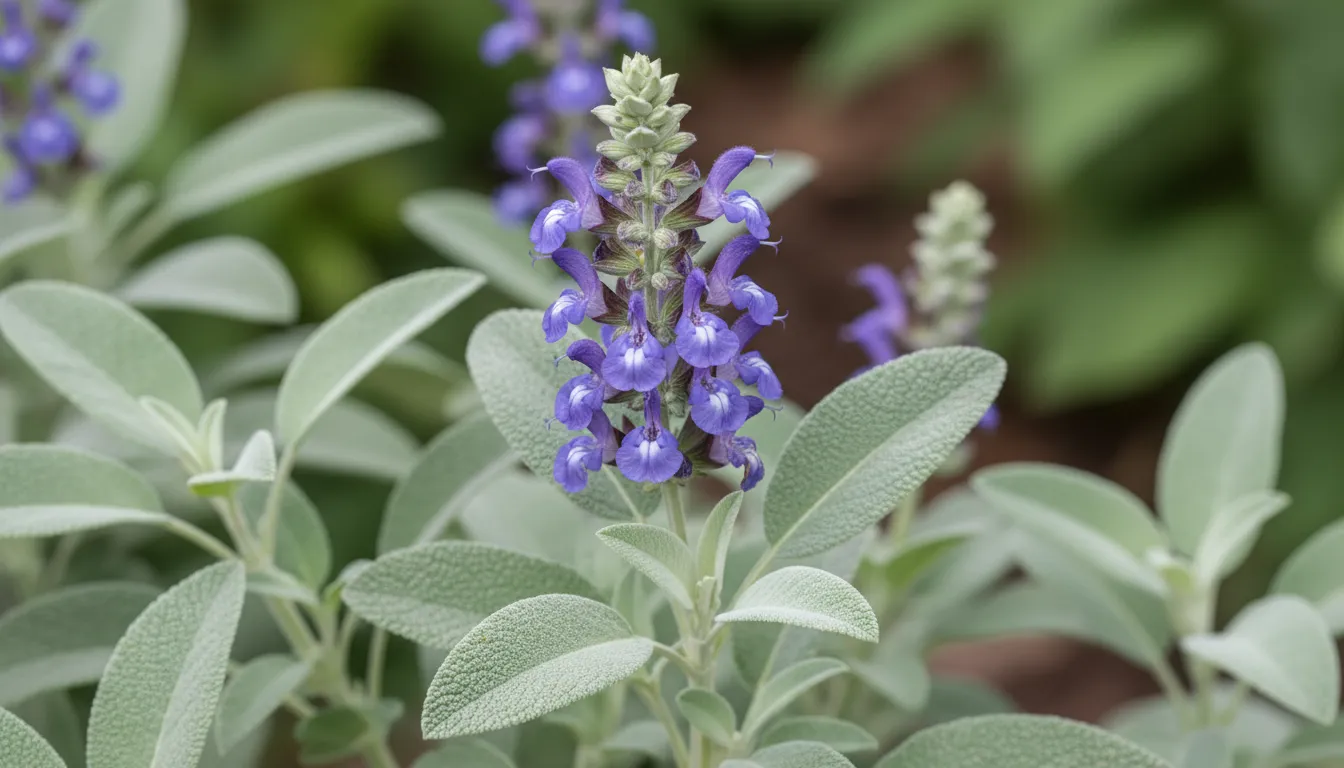
Salvia officinalis
In this article4 parts
Which plant is it?
| Botanical name | Salvia officinalis |
|---|
The illustration is a study aid. Use a botanical identification reference or a qualified specialist before collecting plants for consumption.
Symbolism and ritual meaning
Cleansing: a dried leaf can mark the end of an argument or the beginning of a household ritual. That symbolic act does not establish the presence of harmful energy.
Clarity: write down the question you want to consider. Scent supplies a sensory detail; an answer cannot be established from the shape of smoke.
| Planet | Jupiter, Moon |
|---|---|
| Element | Air |
| Themes | Cleansing, Protection, Wisdom, Healing |
These are symbolic associations used in this reference, rather than measured properties of the material.
A personal ritual with garden sage
Place a dried leaf in a small cloth pouch beside your written note. Store the plant somewhere dry afterward. This practice does not require burning.
To freshen a room, clean it and ventilate it. Burning herbs is a separate ritual choice, not a method of disinfecting the air.
Precautions
Dried leaves, tea and essential oil are different preparations. Directions for one do not apply to the others. Follow the leaflet supplied with a medicinal product.