























Prepodobna Stoyna
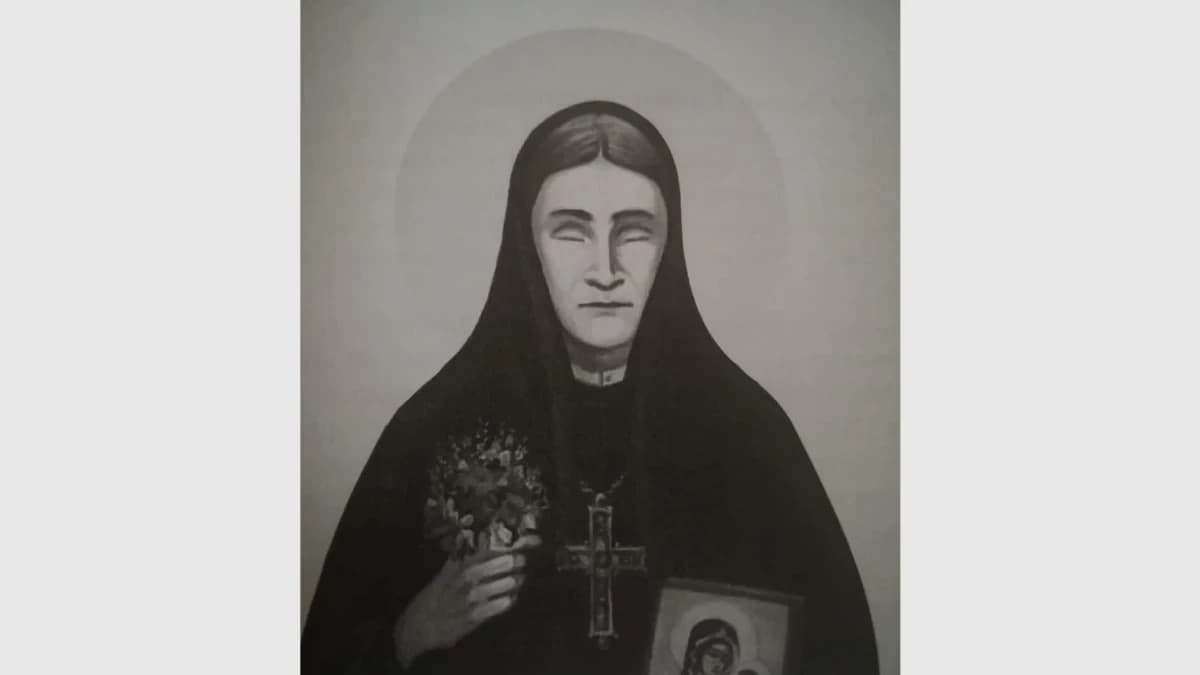
A small room in St George Church in Zlatolist preserves the memory of a blind woman. She was Stoyna Dimitrova, known to visitors as Prepodobna Stoyna. She settled here after her family fled their home village in 1913. People sought her prayers and assistance, and their stories made Zlatolist closely associated with her name.
| Born | 9 September 1883, Haznatar, Serres region |
|---|---|
| Name | Stoyna Dimitrova |
| Died | 22 December 1933 |
The blind girl from Haznatar
Stoyna was born on 9 September 1883 in Haznatar, in the Serres region of what is now Greece. Childhood smallpox left her blind. BNT’s biography places the beginnings of accounts about her visions in those early years.
After the Second Balkan War in 1913, her family migrated to Bulgaria. Stoyna remained in Dolna Sushitsa, the village now called Zlatolist. Both names appear in books about her.
Twenty years in the church
From the migration until her death on 22 December 1933, her life was tied to St George Church. Local recollections describe fasting, prayer and encounters with visitors. They remember a woman who lived simply and took a personal interest in their troubles.
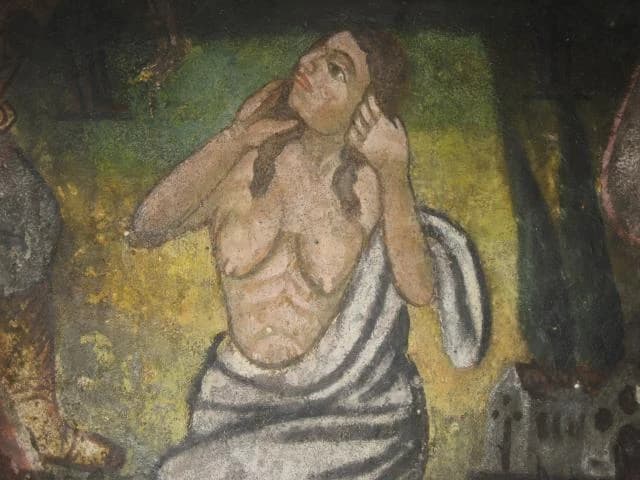
The room and courtyard give today’s visitors a sense of where those encounters took place. The church also contains nineteenth-century frescoes. The work shown here is by Teofil Minov, dated 1876, before Stoyna was born.
Why she is called Prepodobna
The name expresses reverence for the way she lived. Those who visited remembered someone who prayed for them and offered help. Stories of miracles continued to be passed on after her death.
The popular title does not amount to official canonisation. Church publications have criticised aspects of her veneration. That disagreement belongs to her history alongside the affection of her followers.
The voices preserved on film
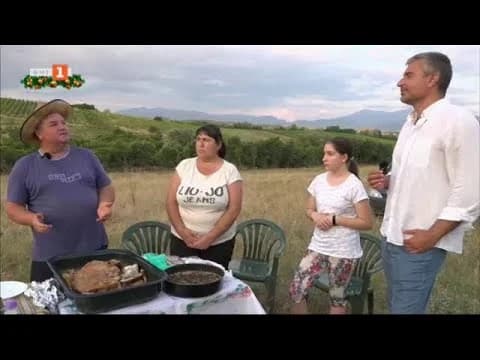
In 1998, director Svetla Fingova made Stoyna Prepodobna, written by Anna Melyova and Rumyana Atanasova. It gathers stories about her life, the help visitors believed they received and Vanga’s regard for her.
Watch and listen

Historical clairvoyants
Continue with another life story
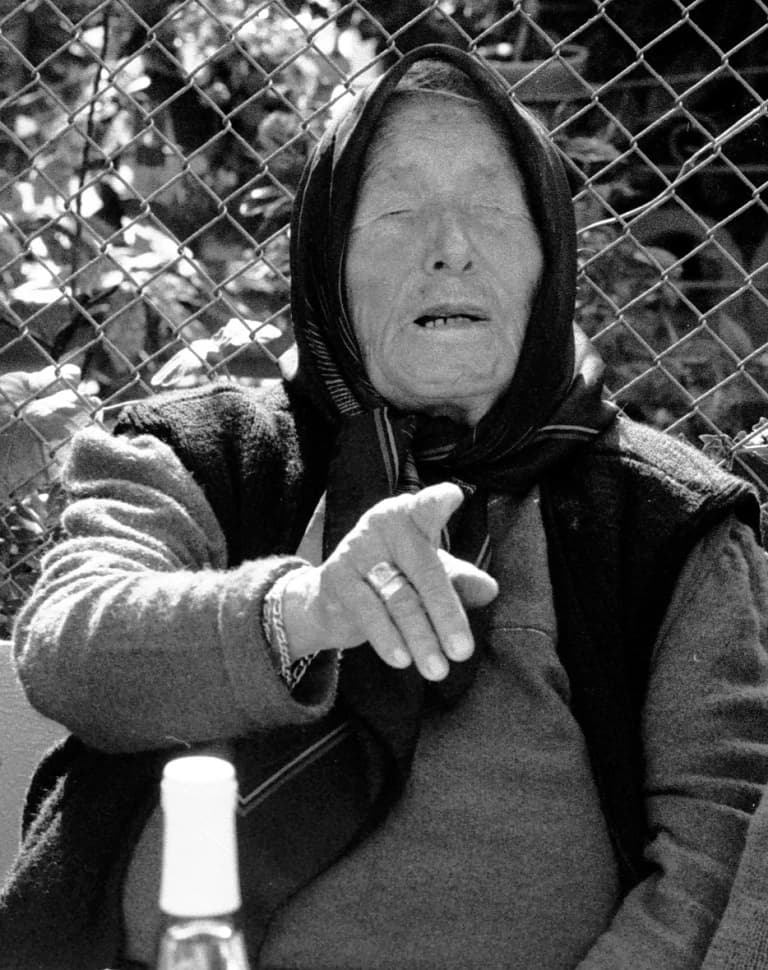 VangaThe life of Vangelia Gushterova, Petrich and Rupite.
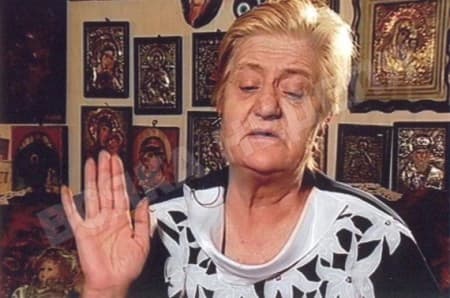 Vera KochovskaFrom an orphanage childhood to encounters in Pleven and appearances on television.
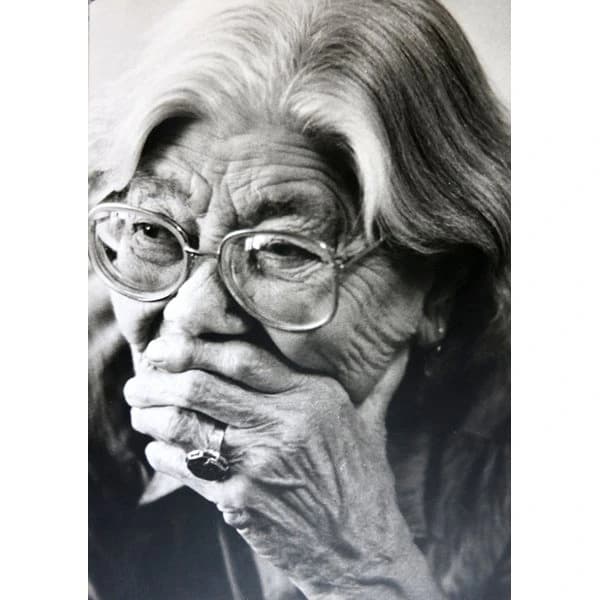 Slava SevryukovaWhy was Slava Sevryukova called “the microscope woman”?
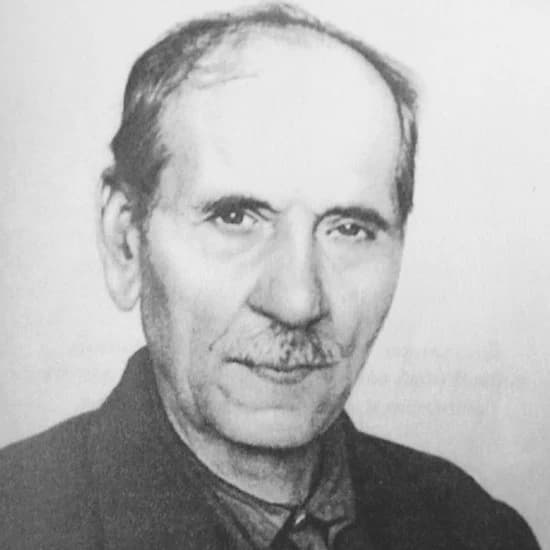 Dyado VlaychoThe clairvoyant from Konyovo who refused payment.
Photographs and authors
- Vanga: Vanga Foundation · Viktor Giltyay
- Vera Kochovska: Kevork Kevorkian · Vsyaka Nedelya archive
- Slava Sevryukova: Bulgaria Dnes · Viktor Giltyay
- Dyado Vlaycho: Unidentified author / Wikimedia Commons. Public domain
