























Astrology · Guide
Intuition beyond prediction: attention and checking
Use a first impression as a starting point for observation without turning it into a fact about another person.
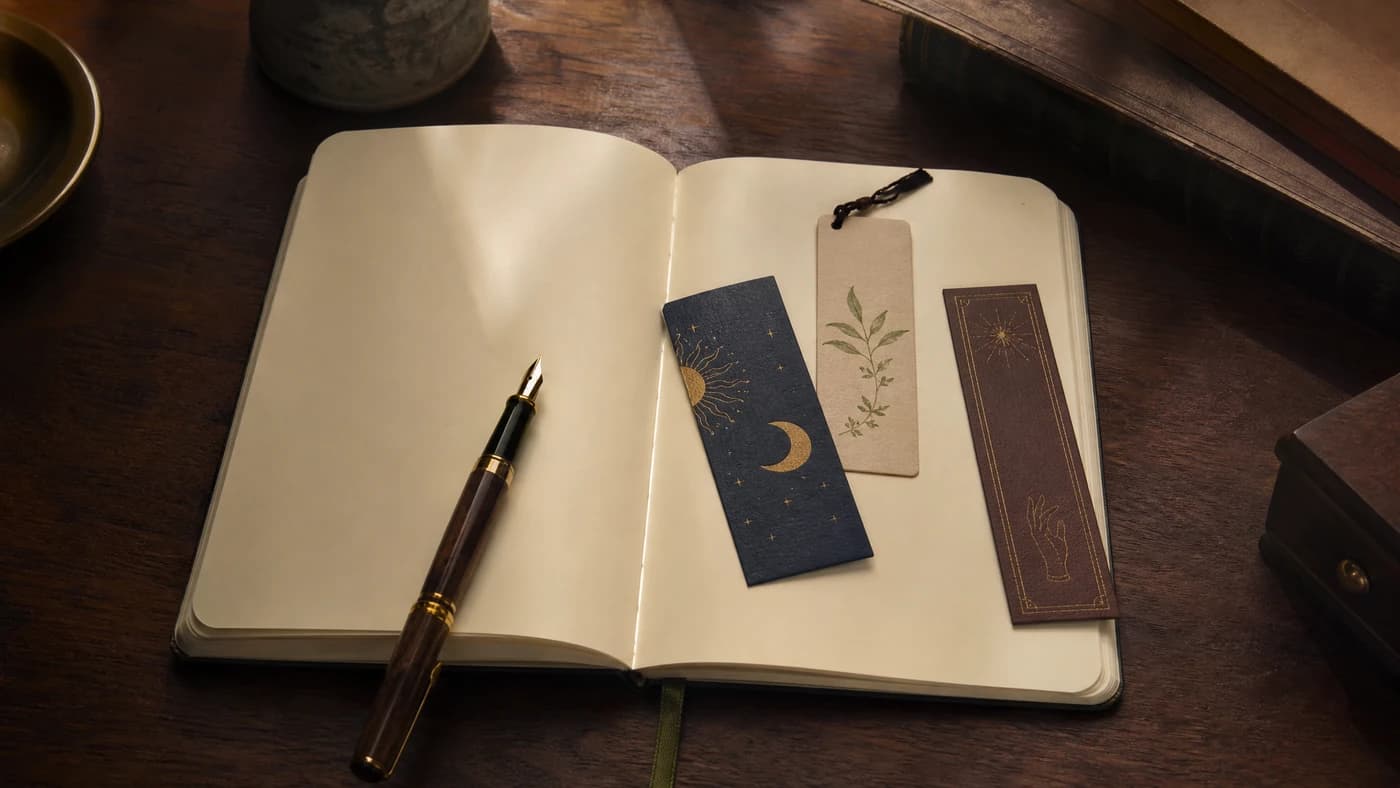
Editorial illustration.
In this lesson
Name what you actually notice
Separate “speaking more quietly than usual” from “hiding something”. The first is an observation, the second a hypothesis. This distinction lets you use a quick impression without imposing it as an explanation.
Consider more than one explanation
Write at least two possible reasons for a change in behaviour and how you might distinguish them. The person may be tired, focused or simply in a different setting. When appropriate, ask a question that allows their own answer.
Practise attention in ordinary situations
After a short walk, describe five observed details separately from your impression of the place. On a return visit, notice what you missed. This is an observation exercise, not a test of reading someone’s thoughts.
Astrology · Guide
Continue reading
An intuition journal: checking your impressions
Keep an intuition journal with a practical exercise.Empathy in a consultation: listening without suggestion
Empathy in a divinatory consultation: listen, reflect someone's account and ask open questions.Divinatory readings today: conversation, culture and service
Different reasons people seek a reading and how to describe the service without overstating its social role.